 01
Prime wildlife core
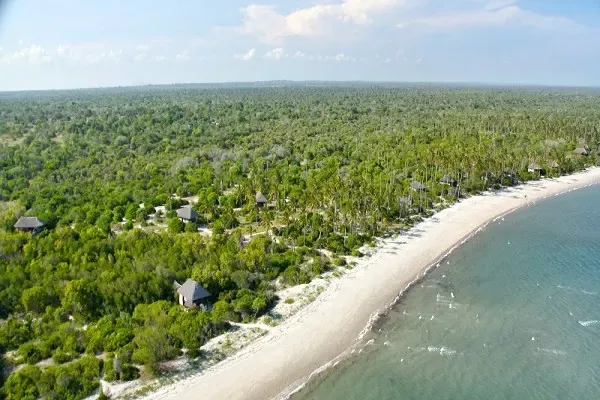
Siwandu, Lake Manze & Nzerakera
Palm-studded floodplains between interconnected oxbow lakes — Nyerere’s densest lion, leopard, giraffe, buffalo, and wild dog sightings.
Africa’s largest stand-alone national park — Rufiji River boat safaris, oxbow lakes, and painted wolves
Carved from the northern photographic heart of the UNESCO-listed Selous Game Reserve in 2019, 30,893 km² Nyerere National Park lets you trade dusty single-mode game drives for motorboat safaris past hippos on the Rufiji River, armed-ranger bush walks, fly-camping, and Africa’s premier African wild dog tracking — less than an hour’s flight from Zanzibar.
Nyerere National Park (historically northern Selous) covers 30,893 km² in south-eastern Tanzania — more than twice the size of the Serengeti and part of a 50,000 km² ecosystem inscribed by UNESCO in 1982. Centred on the mighty Rufiji River and five palm-fringed oxbow lakes, it offers boat, walking, and open-sided 4×4 safaris alongside major populations of African wild dog, hippo, crocodile, lion, and 440+ bird species.
Renamed in 2019 in honour of Mwalimu Julius Kambarage Nyerere — Tanzania’s founding president and author of the landmark 1961 Arusha Manifesto on wildlife conservation.
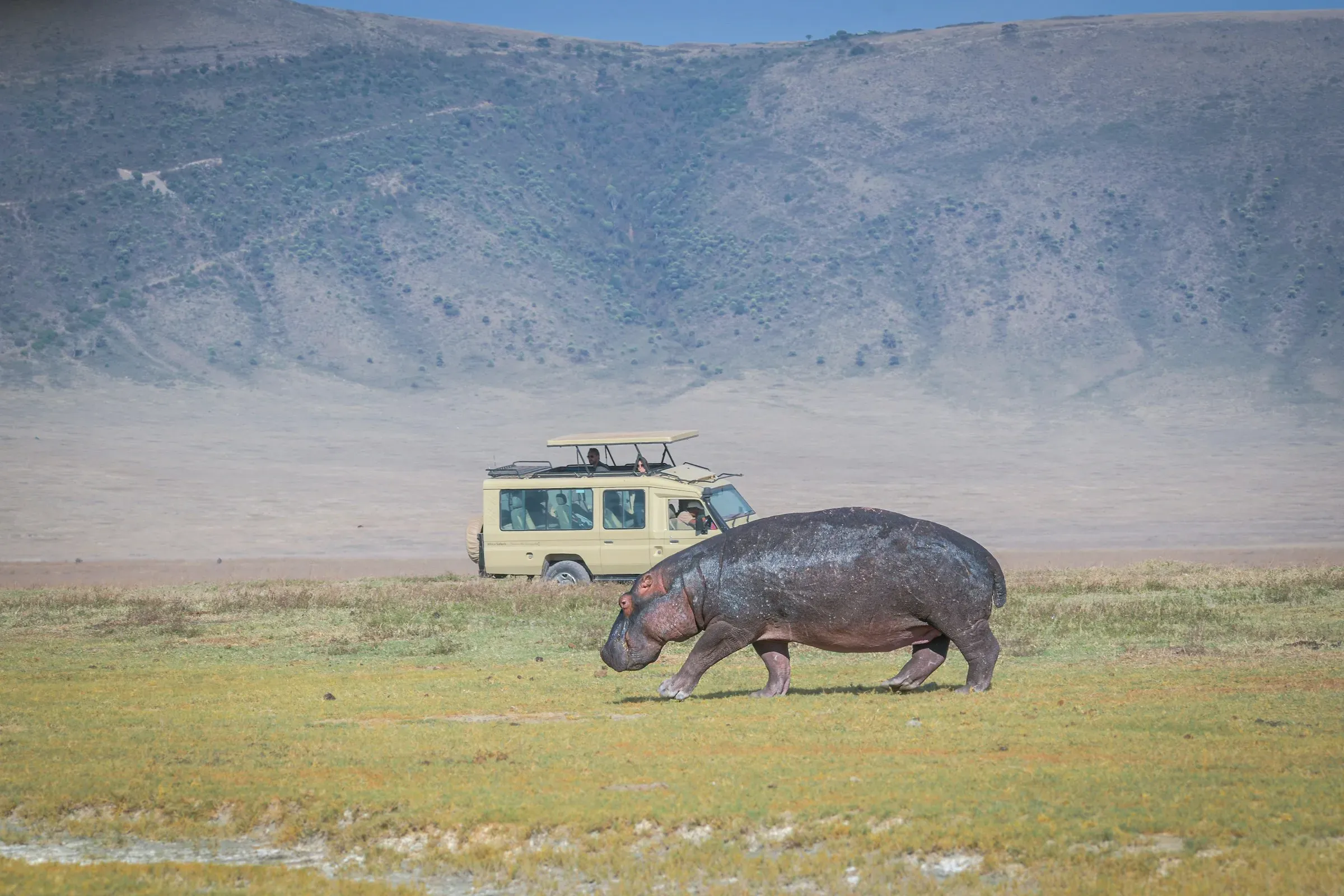
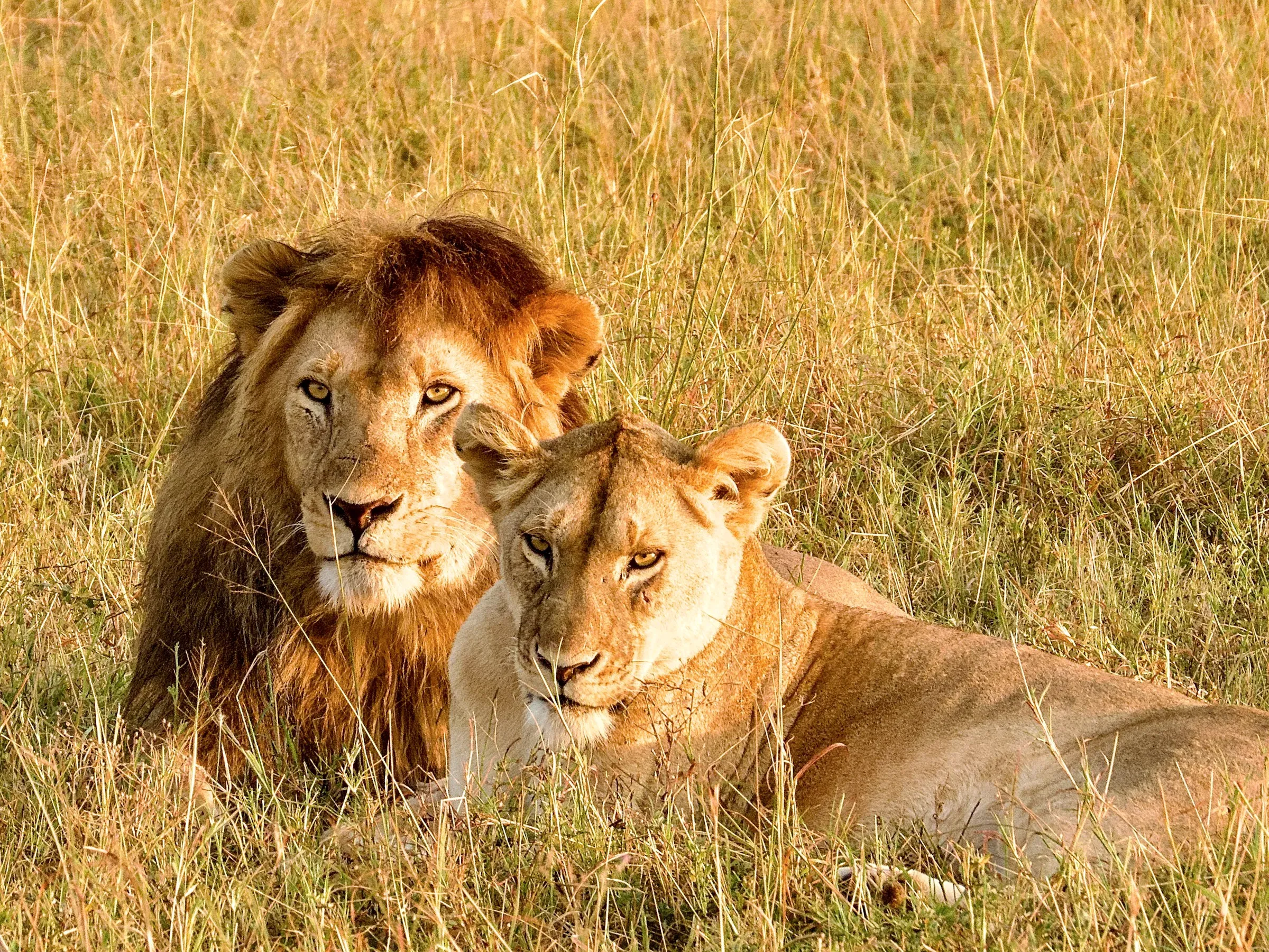
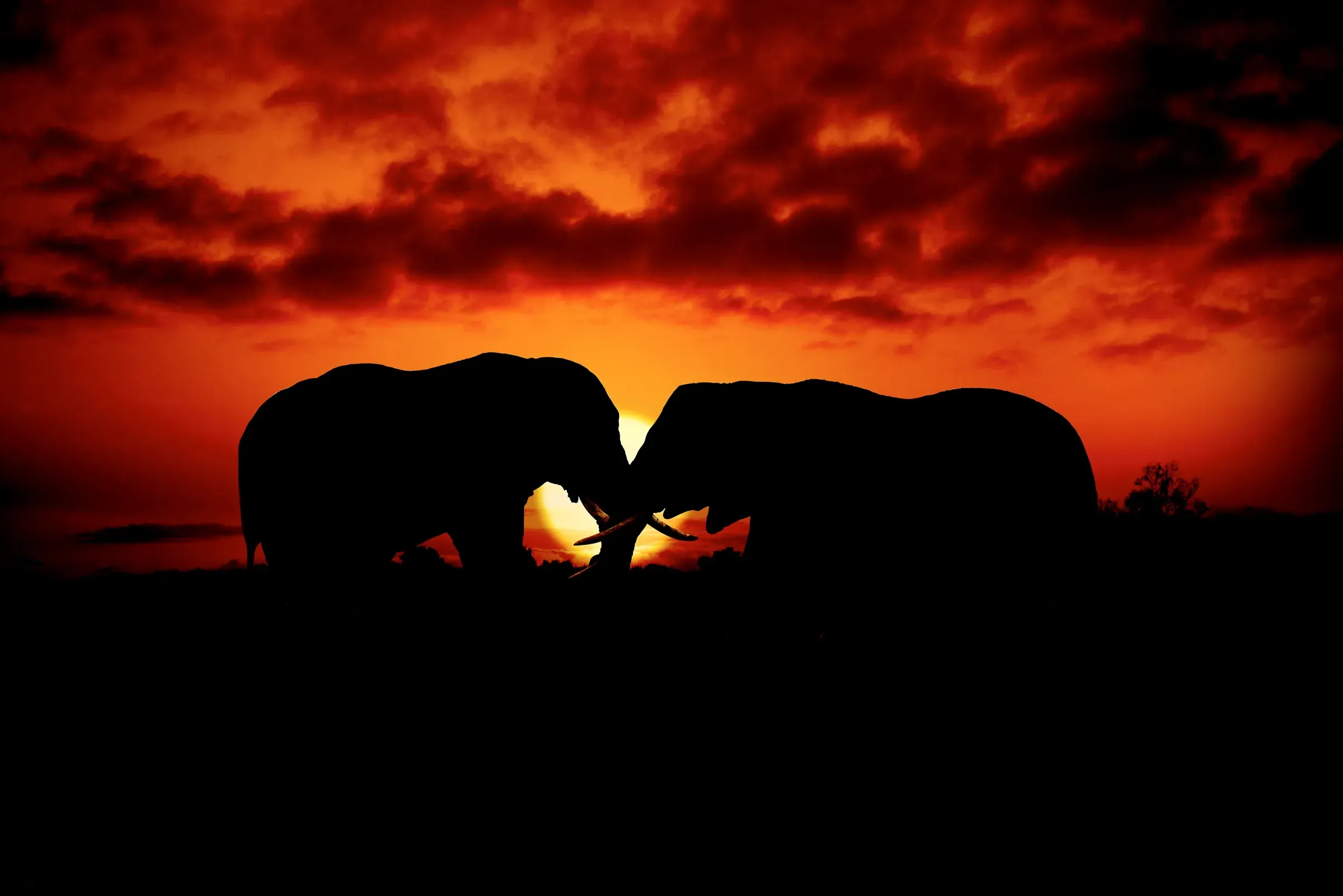
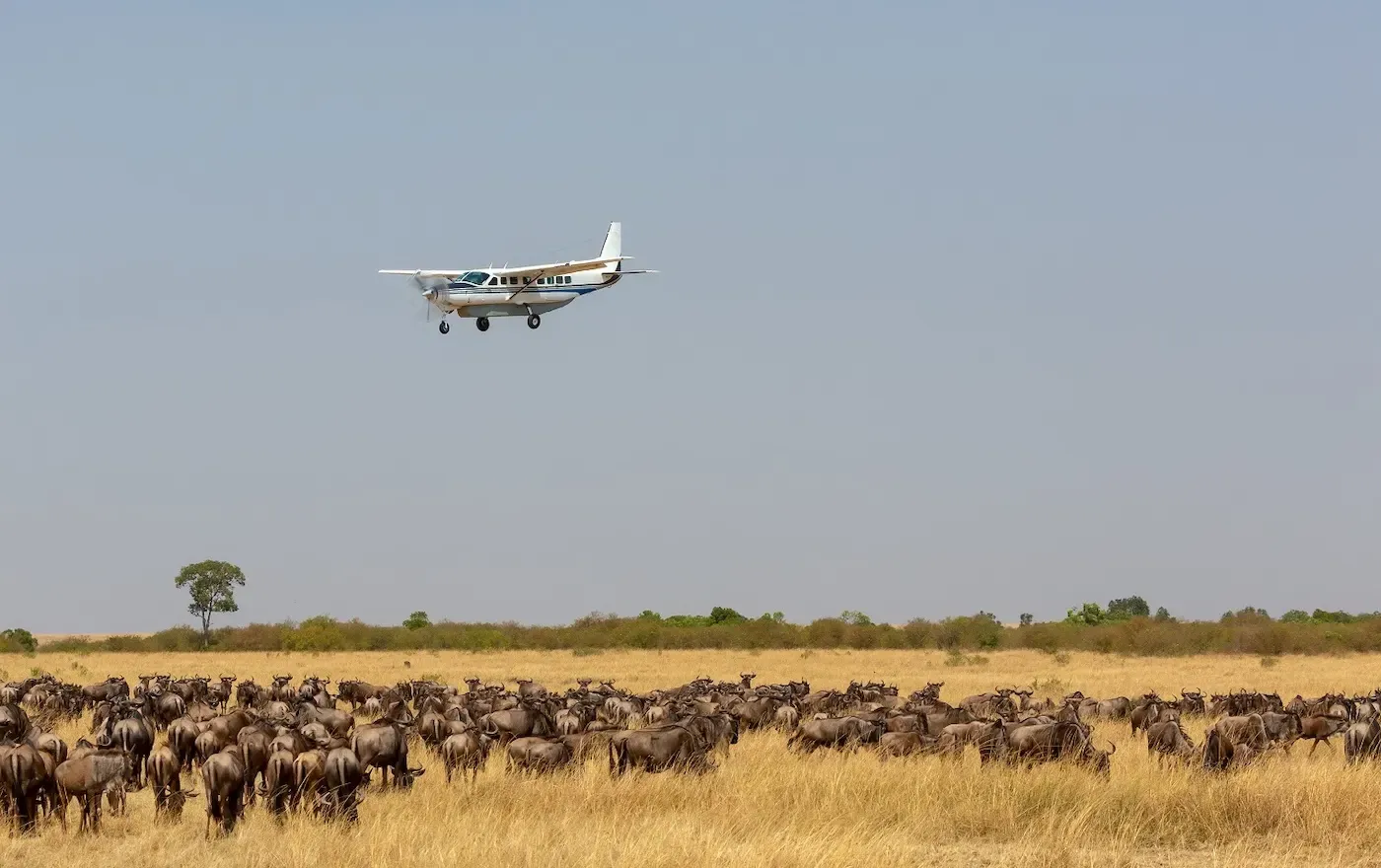
Northern Nyerere revolves around where the Great Ruaha meets the Rufiji River, feeding five shimmering lakes — Tagalala, Manze, Nzerakera, Siwandu, and Mzizima — ringed by Borassus and doum palms.
“The property has an exceptionally high variety of habitats including Miombo woodlands, open grasslands, riverine forests and swamps, making it a valuable laboratory for ongoing ecological and biological processes.”
| Safari mode | How it works in Nyerere | Signature encounters |
|---|---|---|
| Rufiji Boat Safaris | Flat-bottomed excursion boats nose quietly along sandbanks, channels, and oxbow lakes. | Eye-level hippos, 5-metre crocodiles, drinking elephants, African skimmers, and carmine bee-eater colonies. |
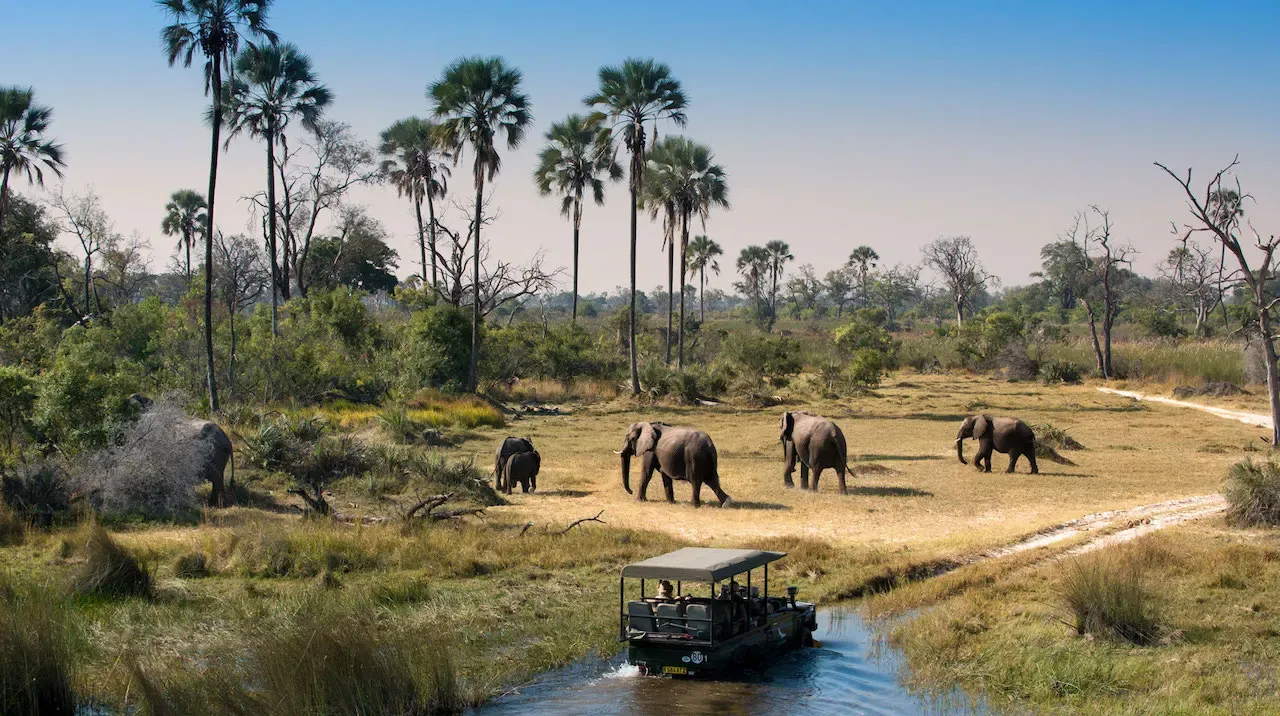
| Open-Sided 4×4 Drives | Unenclosed canvas-roofed safari cruisers give 270° airflow and camera angles. | Denning packs of African wild dogs (Jun–Aug), lakeside lion prides, giraffes, buffalo, and sable antelope. |
| Armed-Ranger Bush Walks | 2-to-3-hour dawn walks on sandy islands and dry floodplains. | Tracking fresh lion and hippo spoor, termite towers, skeleton trees, and small bush details. |
| Sandbank Fly-Camping | Walk into a remote dry riverbed camp set up just for your party for one night. | Dinner over hot coals with hyenas whooping and lions roaring along the river after dark. |
Almost all photographic lodges cluster along the rich 15%-slice north of the Rufiji River where lakes and springs concentrate wildlife.
01Palm-studded floodplains between interconnected oxbow lakes — Nyerere’s densest lion, leopard, giraffe, buffalo, and wild dog sightings.
02Broad braided river channels, nesting white-fronted bee-eaters, giant crocodiles, and accessible river lodges near Mtemere Gate.
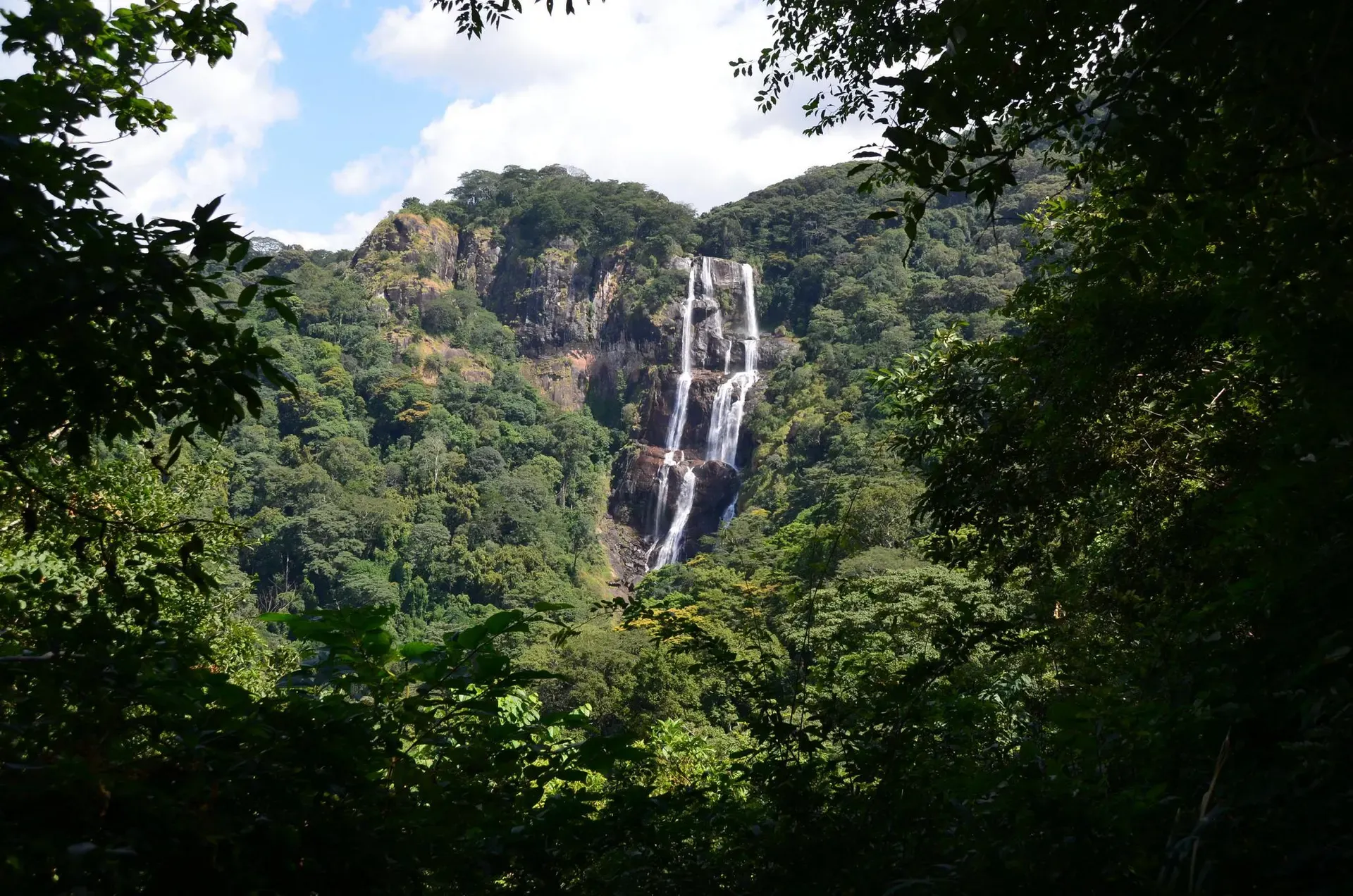
03Dramatic Beho Beho hills, natural tiered hot-spring plunge pools tucked into rocky ravines, and classic walking territory.
Nyerere and the wider Selous ecosystem shelter one of the planet’s most important populations of endangered African wild dogs (Lycaon pictus), alongside tens of thousands of buffalo and hippos.
Census data reference: UNESCO World Heritage Centre & TANAPA — Nyerere / Selous ↗
Every Rufiji boat trip and oxbow lake shoreline.
Lake Manze, Siwandu, and Lake Tagalala shores — prides often hunt in daylight.
Palm woodlands and lakeside drinking points.
Packs den in northern Nyerere from June to August, keeping them anchored to predictable zones.
Riverine thickets and southern/western miombo hills; pair with Ruaha for giant dry-bed prides →
Sighting ratings reflect our Arusha guides’ field experience across seasons, not a guarantee — wild animals move freely.
Lowland Nyerere sits at just 100–400 metres elevation, so it runs warmer and more humid than high-altitude Serengeti; most lodges close from late March through May.
Cooler evenings in June–August (wild dog denning!), intensifying game concentrations along the oxbow lakes through September–October.
Lush palms, newborn impala and wildebeest, African skimmers and carmine bee-eaters, and quiet camps; warm daytime temperatures.
Heavy rains flood Rufiji tracks and virtually all camps close until early June.
Multiple daily scheduled bush flights connect Dar es Salaam (~45 minutes) and Zanzibar (~60–75 minutes) directly to Mtemere, Siwandu, Kiba, Beho Beho, and Matambwe airstrips inside Nyerere — making it the easiest big-game bush break from a Zanzibar beach holiday.
Overland 4×4 safaris from Dar es Salaam enter Mtemere Gate in 5 to 6 hours (~240 km via Kibiti) or enter northern Matambwe Gate via Morogoro and the Uluguru foothills.
Nyerere (Selous) is an off-the-beaten-track wilderness arranged around bush flights, ranger permits, and your exact travel dates. Tell us when you want to travel and Deus and our Arusha team will build a private route for you within 24 hours.
In 2019, Tanzania carved out the prime 30,893 km² northern photographic safari zone of the historic Selous Game Reserve and upgraded it into Nyerere National Park under TANAPA management. Almost every safari lodge and boat-safari lake travellers knew as “Selous” now lies inside Nyerere National Park.
Both have direct daily flights from Zanzibar! Nyerere is closer (~1 hour vs ~1.5–2 hours), quieter, and uniquely includes Rufiji boat safaris, walking safaris, and strong wild dog odds. Serengeti is cooler at higher altitude and delivers open endless plains plus the two-million-strong Great Migration.
June through August is peak denning season, when painted wolf packs keep returning to fixed burrows to feed pups, giving guides their highest tracking success of the year.
Yes — sturdy, flat-bottomed aluminium excursion boats are piloted by licensed river guides who respect hippo plunge channels while giving you extraordinary water-level photography.
We advise against late March to May for Nyerere because heavy seasonal rains flood riverine tracks and almost all lodges close until June 1. Choose Northern Circuit parks (Serengeti/Ngorongoro/Manyara) if travelling in April–May.
Road distances, seasonal windows, and sighting notes come from our own Arusha guides on the ground. Last reviewed November 2026.