 01
Central wildlife hub
Msembe & Great Ruaha Valley
Gnarled baobabs, rocky kopjes, and permanent pools full of hippos and crocodiles — Ruaha’s highest density of lion, leopard, cheetah, and kudu.
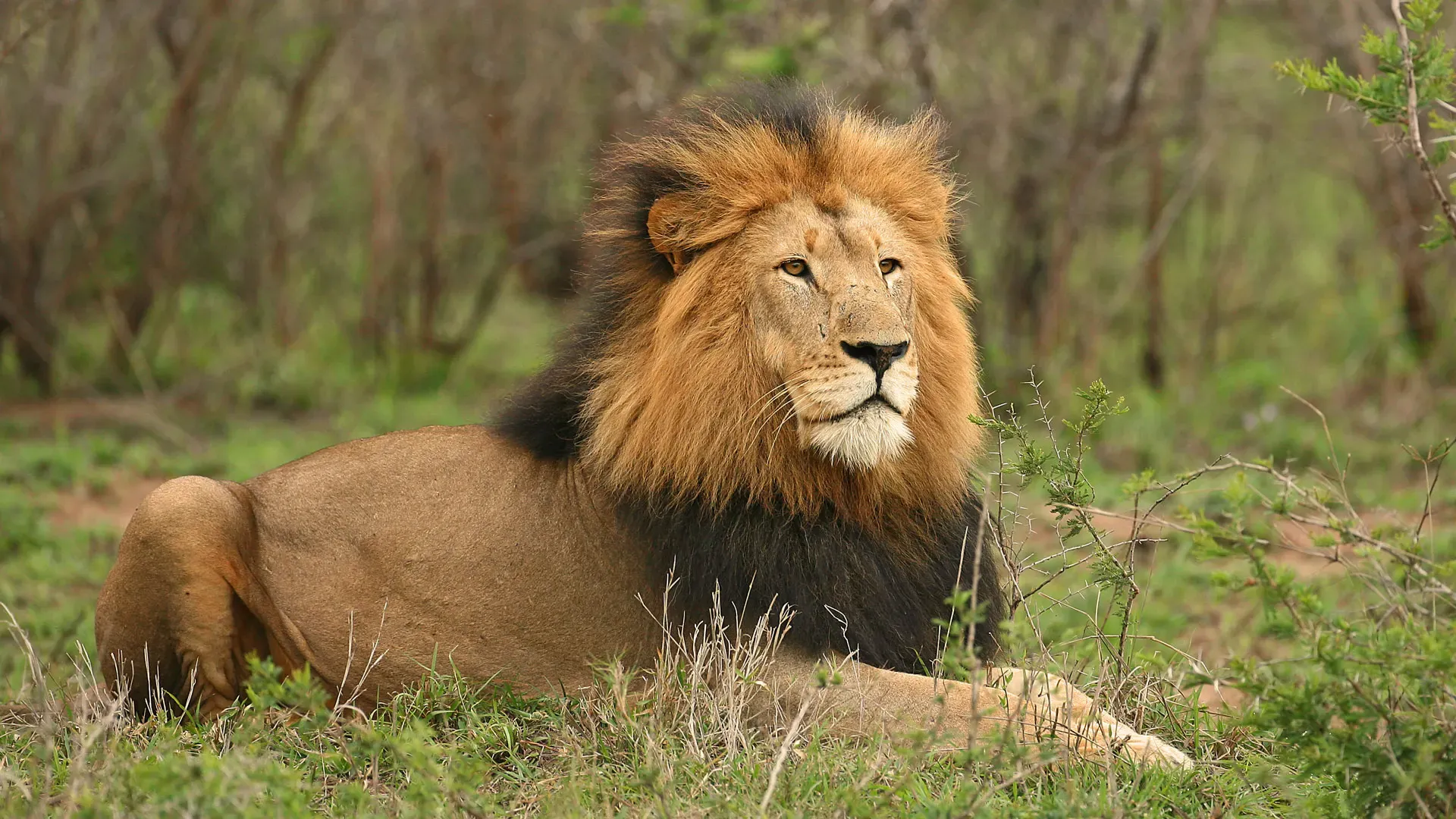
Giant prides along the Great Ruaha River where East and Southern African wildlife meet
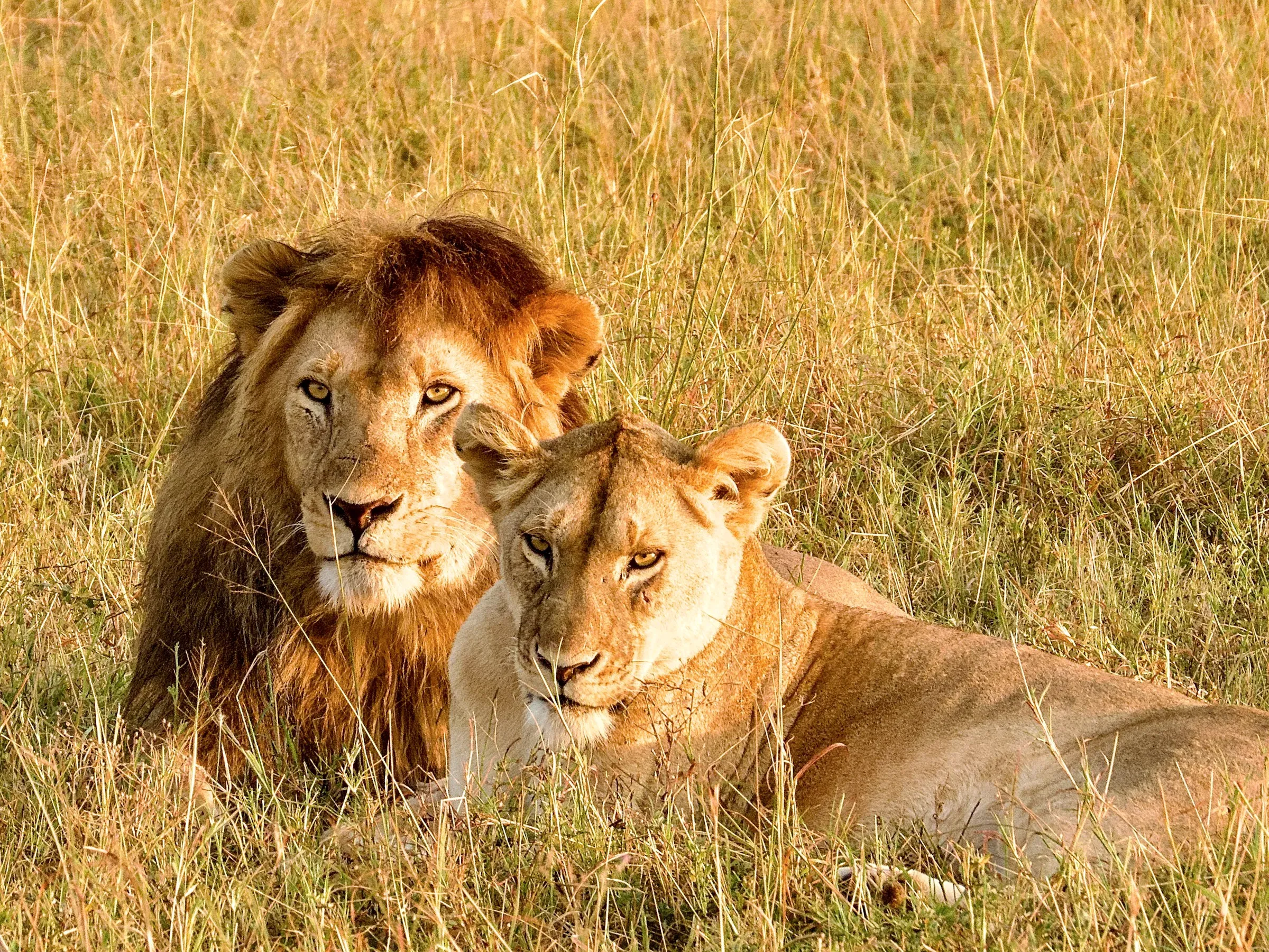
Spanning 20,226 km² of baobab-studded hills and sandy riverbeds, Ruaha holds roughly one-tenth of Africa’s remaining lions, major packs of endangered African wild dogs, and raw solitude where your 4×4 often has an entire pride to itself.
Ruaha National Park covers 20,226 km² in south-central Tanzania at the heart of the 45,000+ km² Rungwa–Kizigo–Muhesi ecosystem. Gazetted in 1964 and expanded with the Usangu wetlands in 2008, it sits in a unique ecological transition zone hosting both East and Southern African species — greater and lesser kudu, sable and roan antelope — alongside mega-prides of 20+ lions and 570+ bird species.
Ruaha takes its name from the Hehe word Ruvaha, meaning “great river” — the lifeline along which elephants, kudu, buffalo, and big cats converge every dry season.
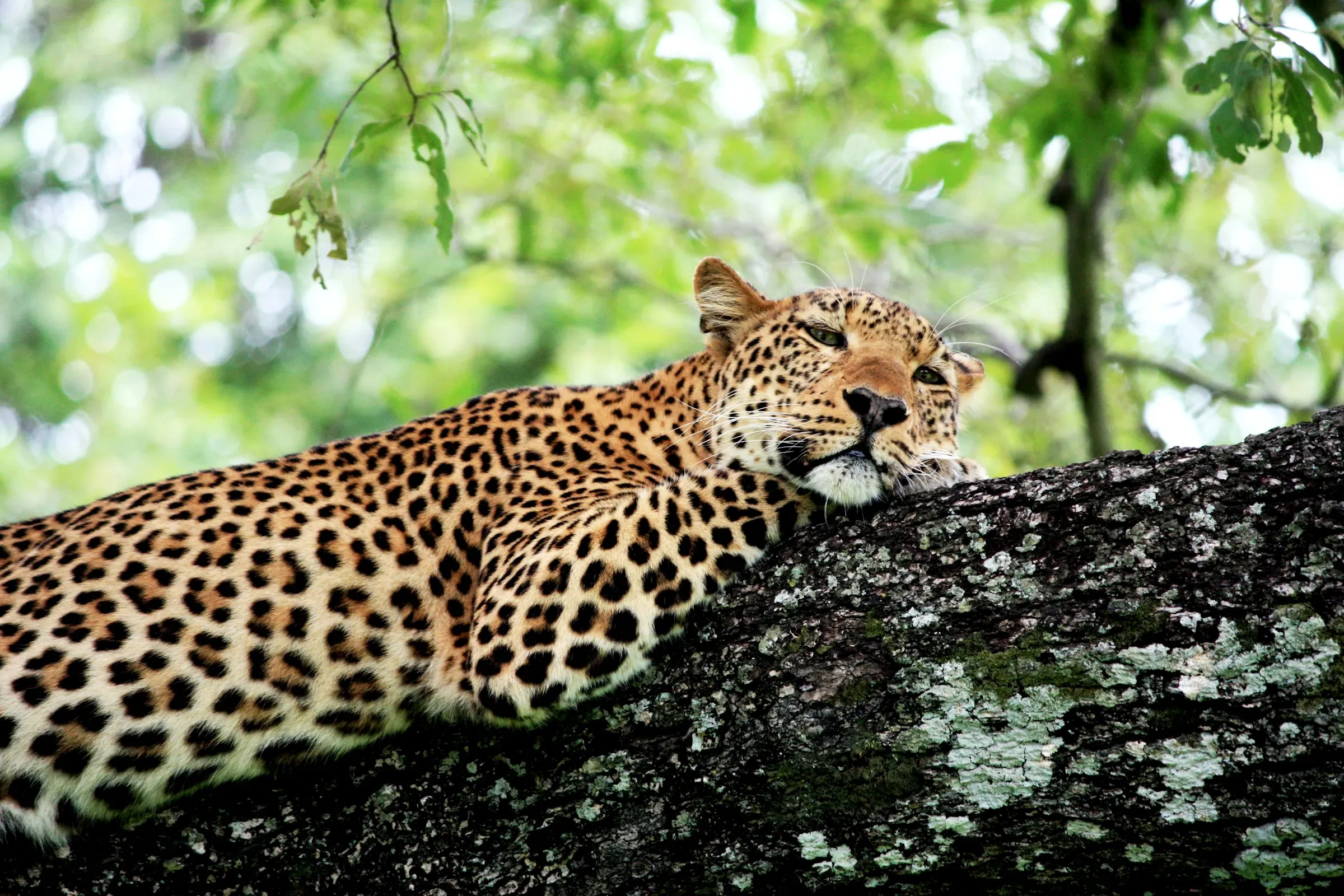
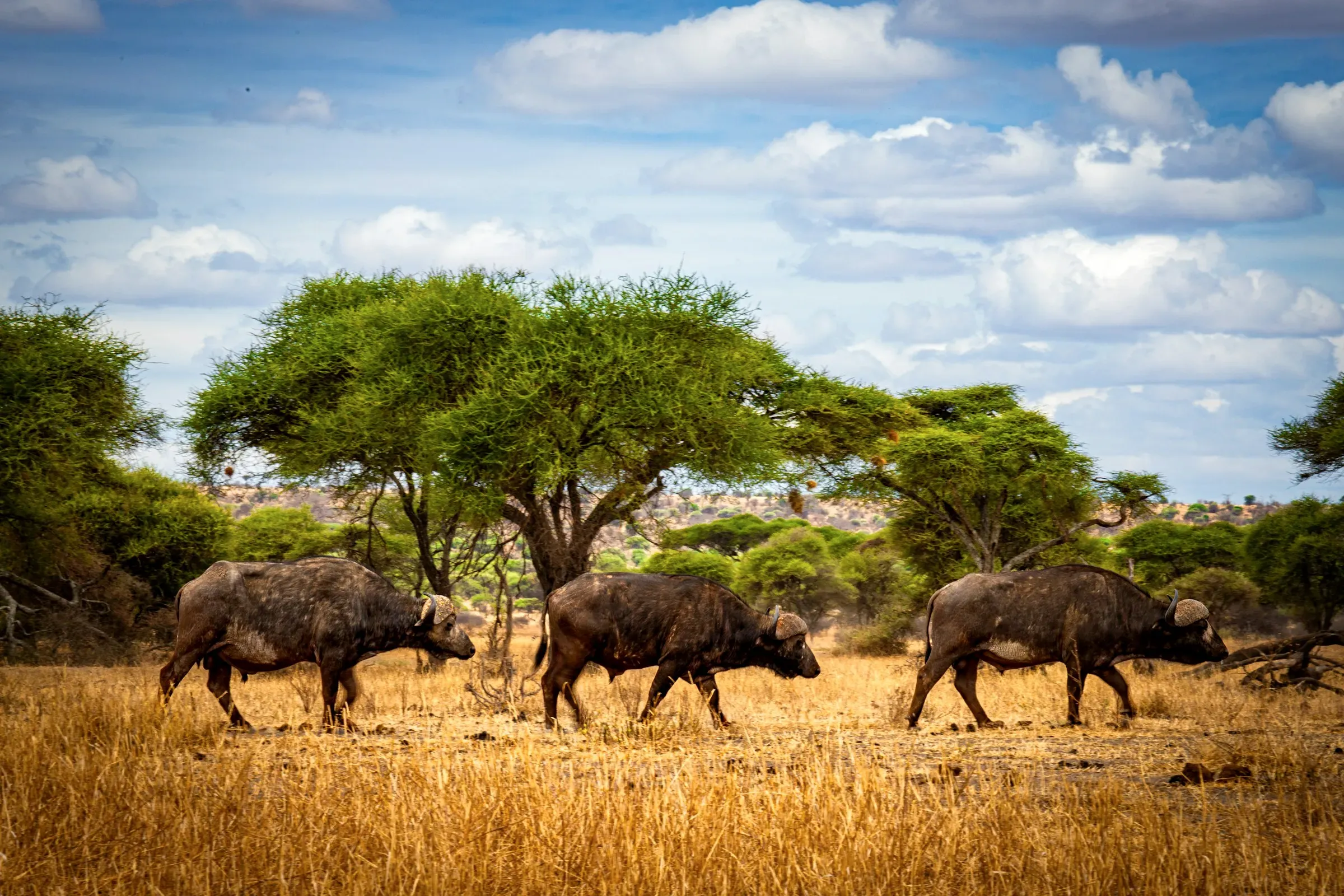
Ruaha straddles a continental biogeographical boundary. Northern-style umbrella acacias, Masai giraffes, and Grant’s gazelles overlap directly with southern Brachystegia (miombo) woodland, sable antelope, and spiral-horned greater kudu.
| Highlight | What makes Ruaha distinct | Best place & season |
|---|---|---|
| Mega-prides of lions | Prides frequently number 15 to 25+ individuals specialized in tackling adult Cape buffalo and giraffe along dry sand rivers. | Great Ruaha River & Mwagusi sand river, July to October. |
| African wild dogs | Home to one of East Africa’s largest surviving populations of endangered painted wolves. | Wide-ranging across Msembe, Mdonya, and Jongomeru; denning season June to August. |
| Antelope quartet | Rarely can you tick greater kudu, lesser kudu, sable antelope, and roan antelope in one park. | Greater & lesser kudu along baobab river thickets; sable and roan in higher miombo woodland. |
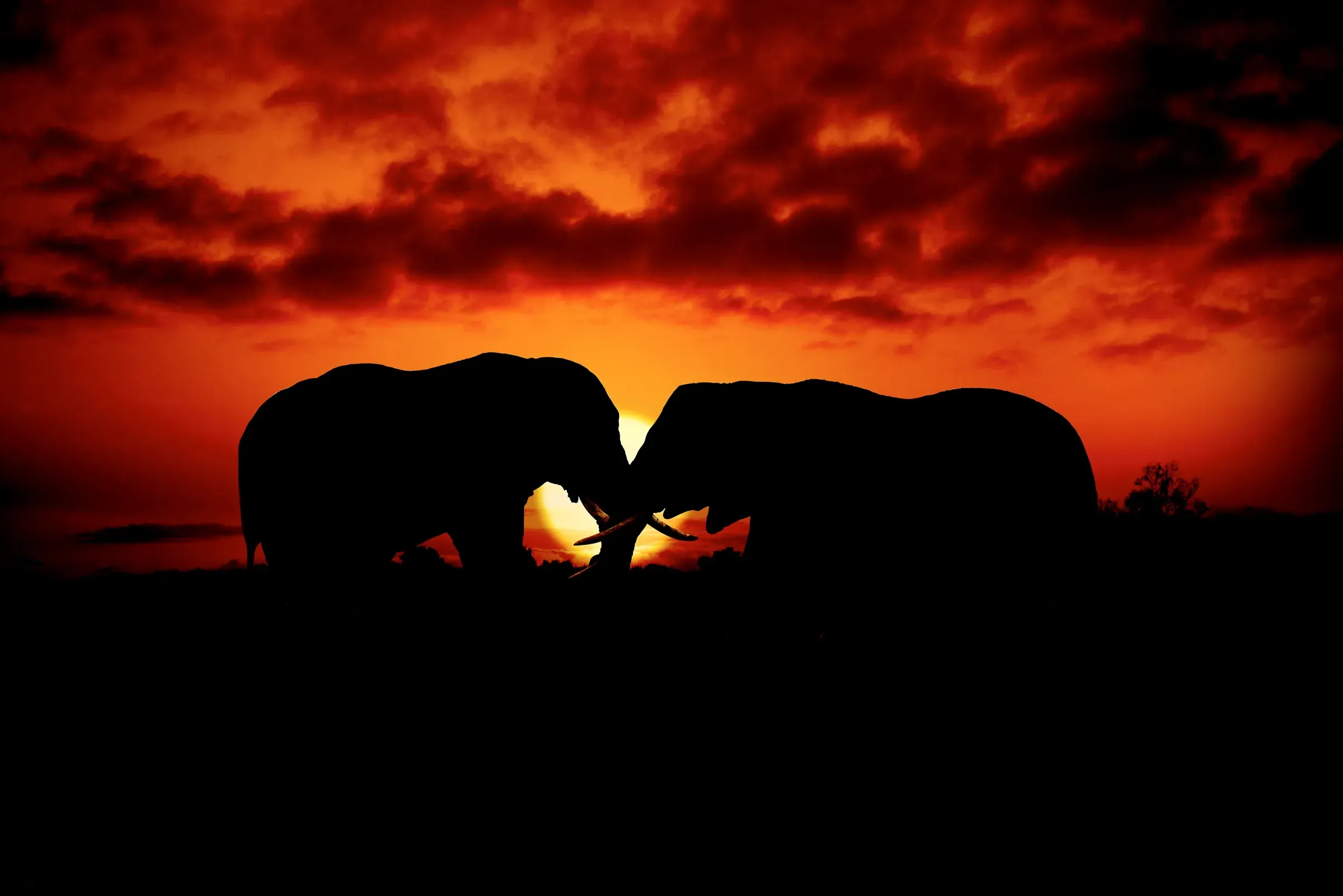
| Sand-river elephant wells | Elephants use trunks and forefeet to dig deep freshwater wells in dry sandy riverbeds, which smaller animals drink from afterward. | Mwagusi and Mdonya sand rivers from August through October. |
With fewer than twenty intimate tented camps spread across an area larger than Wales, Ruaha feels genuinely untamed.
01Gnarled baobabs, rocky kopjes, and permanent pools full of hippos and crocodiles — Ruaha’s highest density of lion, leopard, cheetah, and kudu.
02Doum-palm-lined sandy channels where elephants excavate waterholes and leopards stalk impala along steep shady banks.
03Follow animal tracks along dry riverbeds at sunrise with an armed ranger and specialist walking guide, or sleep under mosquito-netted stars.
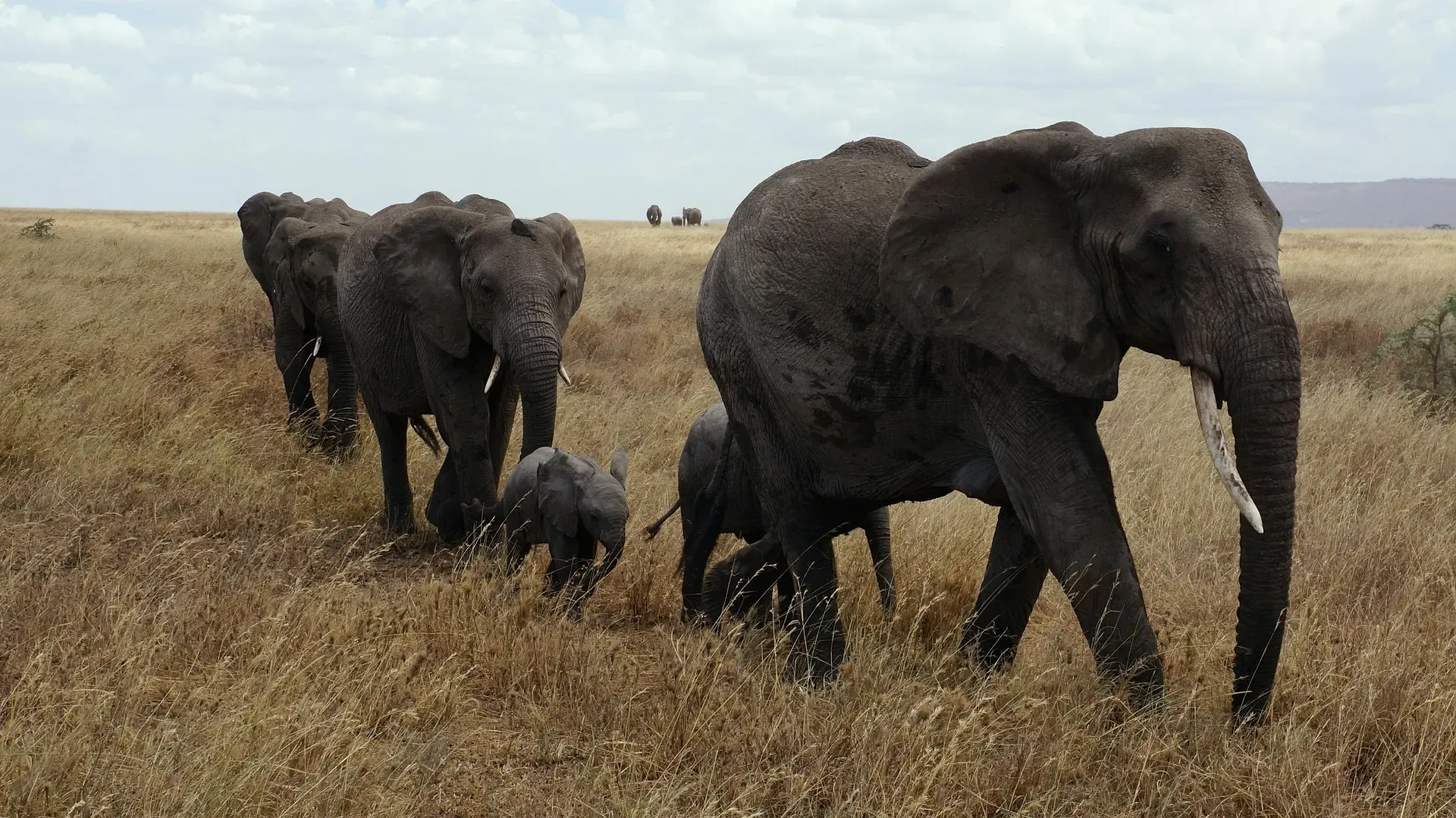
Ruaha supports over 10,000 elephants, huge buffalo herds, leopards on granite boulders, cheetahs on open mbuga plains, and one of Tanzania’s richest bird lists.
Census data reference: TANAPA & Ruaha Carnivore Project / Oxford WildCRU ↗
Great Ruaha River bends, Msembe loops, and Mwagusi confluence.
Commiphora thickets and rocky baobab slopes — far easier here than anywhere in the north.
Leopards on kopjes and fig trees; cheetahs on Little Serengeti open plains.
Early morning river tracks during the winter denning months; also strong in Nyerere (Selous) →
Miombo woodland plateaus and western springs.
Sighting ratings reflect our Arusha guides’ field experience across seasons, not a guarantee — wild animals move freely.
Dry months concentrate game intensely along rivers; several camps close during peak April–May rains.
Foliage thins out and animals crowd the Great Ruaha and sand rivers. September–October gets hot (~34 °C) with extraordinary lion-vs-buffalo drama.
Baobabs flower, 570+ bird species shine with northern migrants, and photography light is crystal-clear after brief showers.
Heavy rains swell rivers and many seasonal bush camps close until late May or June 1.
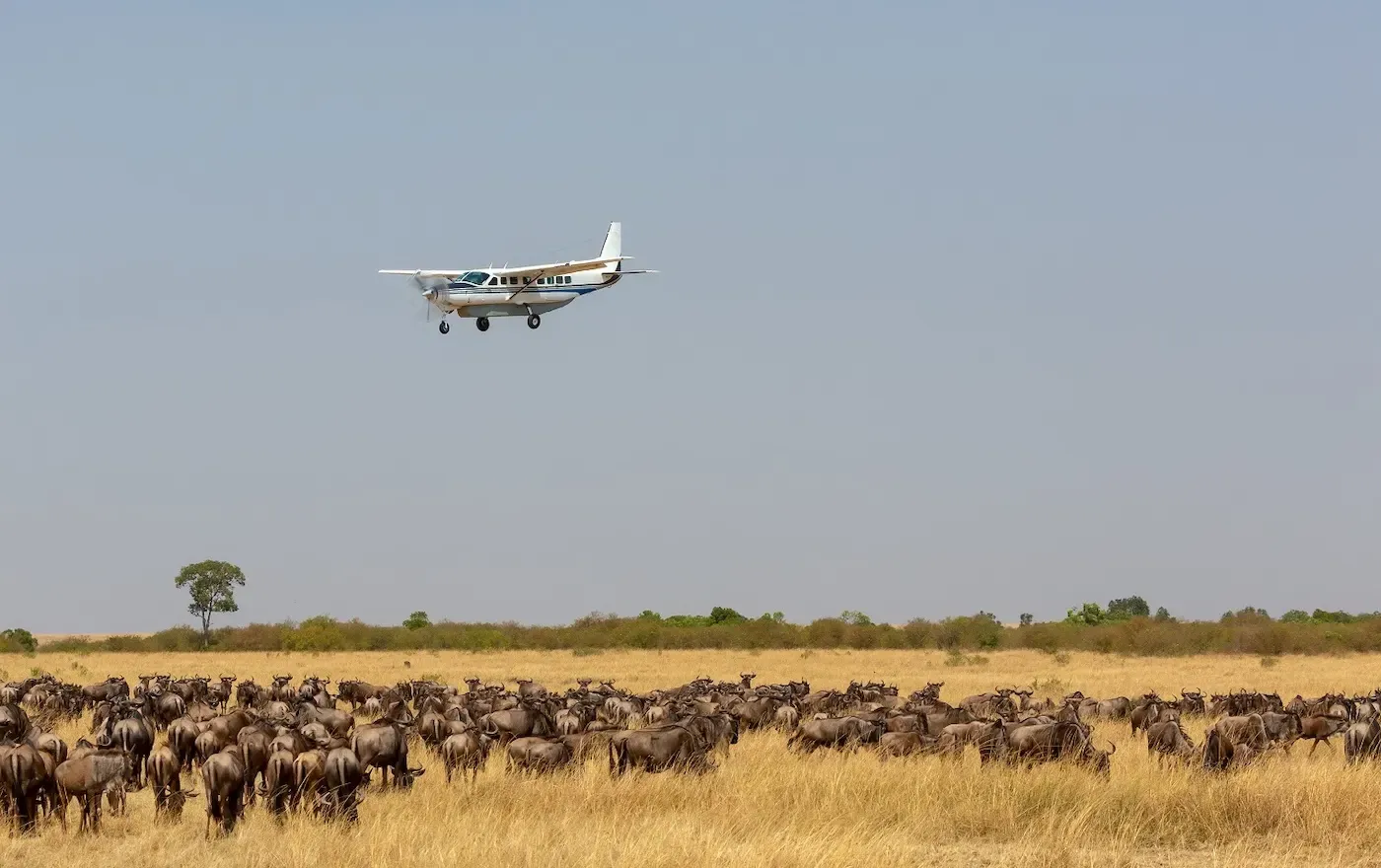
By air is by far the easiest route: daily scheduled light aircraft connect Dar es Salaam (~2 hours), Zanzibar (~2.5 hours), Nyerere/Selous (~1.5 hours), and Arusha/Serengeti directly with Msembe and Jongomeru airstrips inside Ruaha.
Overland safaris from Dar es Salaam (~9–10 hours total) break the journey naturally with stays at Mikumi National Park, Udzungwa Mountains, and highland Iringa (2.5 hours from Ruaha’s gate).
Ruaha is an off-the-beaten-track wilderness arranged around bush flights, ranger permits, and your exact travel dates. Tell us when you want to travel and Deus and our Arusha team will build a private route for you within 24 hours.
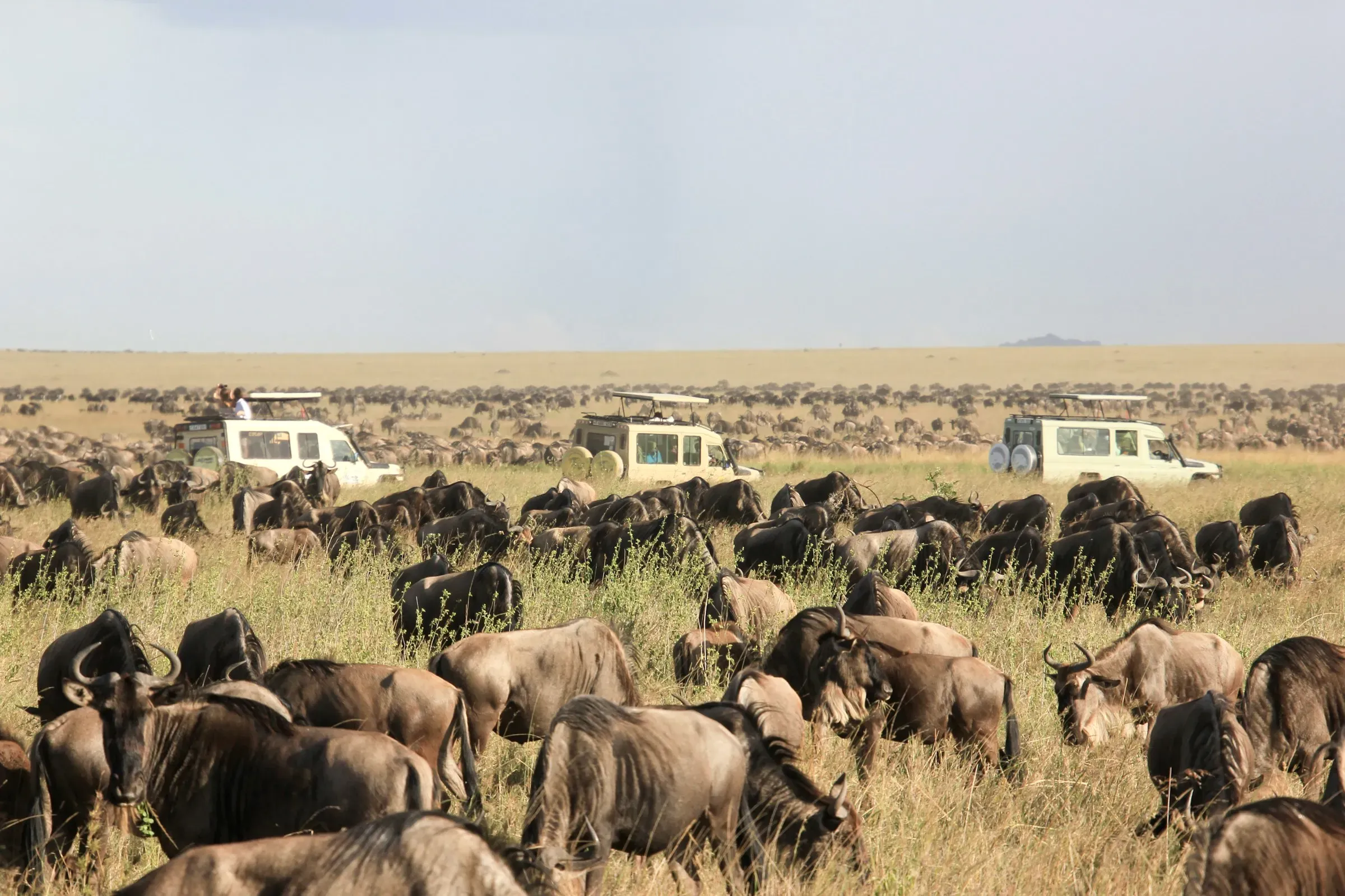
Serengeti is famous for open endless grass plains and the two-million-strong wildebeest migration, but attracts far more visitors. Ruaha is wilder, more rugged, studded with baobabs and miombo hills, and offers much quieter sightings alongside walking safaris and rare kudu, sable, and wild dogs.
Most guests fly into Msembe or Jongomeru airstrip from Dar es Salaam, Zanzibar, Nyerere (Selous), or Arusha in 1.5–2.5 hours. Driving from Dar es Salaam works well only if you turn it into a 7–10 day Southern Circuit overland loop stopping at Mikumi and Udzungwa.
Yes — daily scheduled bush flights connect Serengeti airstrips via Arusha/Dodoma directly down to Ruaha’s Msembe airstrip, creating an extraordinary north-and-south connoisseur safari.
Yes! Walking safaris led by experienced camp guides and an armed TANAPA ranger are a signature dry-season highlight along the Mwagusi and Great Ruaha sand rivers.
Flight schedules, seasonal bush camp openings, and choice between private 4×4 hire or camp-hosted game drives vary by month — our Arusha team builds each Ruaha quote around live flight seats and camp availability.
Road distances, seasonal windows, and sighting notes come from our own Arusha guides on the ground. Last reviewed November 2026.