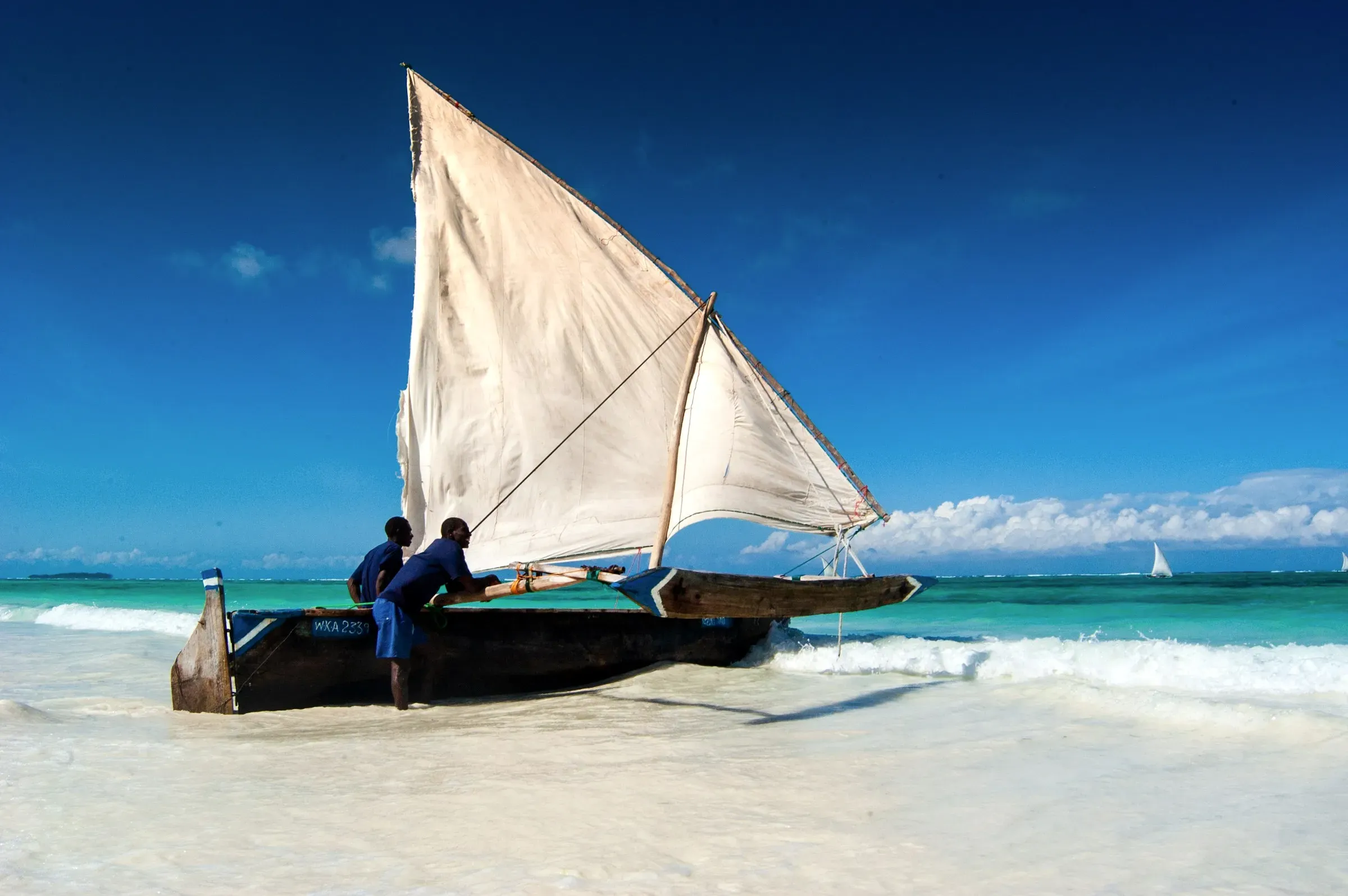
Tanzania is home to more than 120 distinct ethnic groups. When approached respectfully with local translators who know the families personally, cultural days become the most moving part of a journey.
02 · Recommended LengthHalf-Day to 2-Night Extensions
03 · Prime RegionsLake Eyasi · Ngorongoro Highlands · Mto wa Mbu · Stone Town
04 · How You TravelSmall-Group & Respectful Community-Led Visits
01The Experience
Real Human Connection, Far From Staged Roadside Stops
We never take our guests to commercialized roadside souvenir traps. Instead, our cultural visits happen in working communities where our Arusha guides have long-standing friendships and where community fees go directly to the host families.
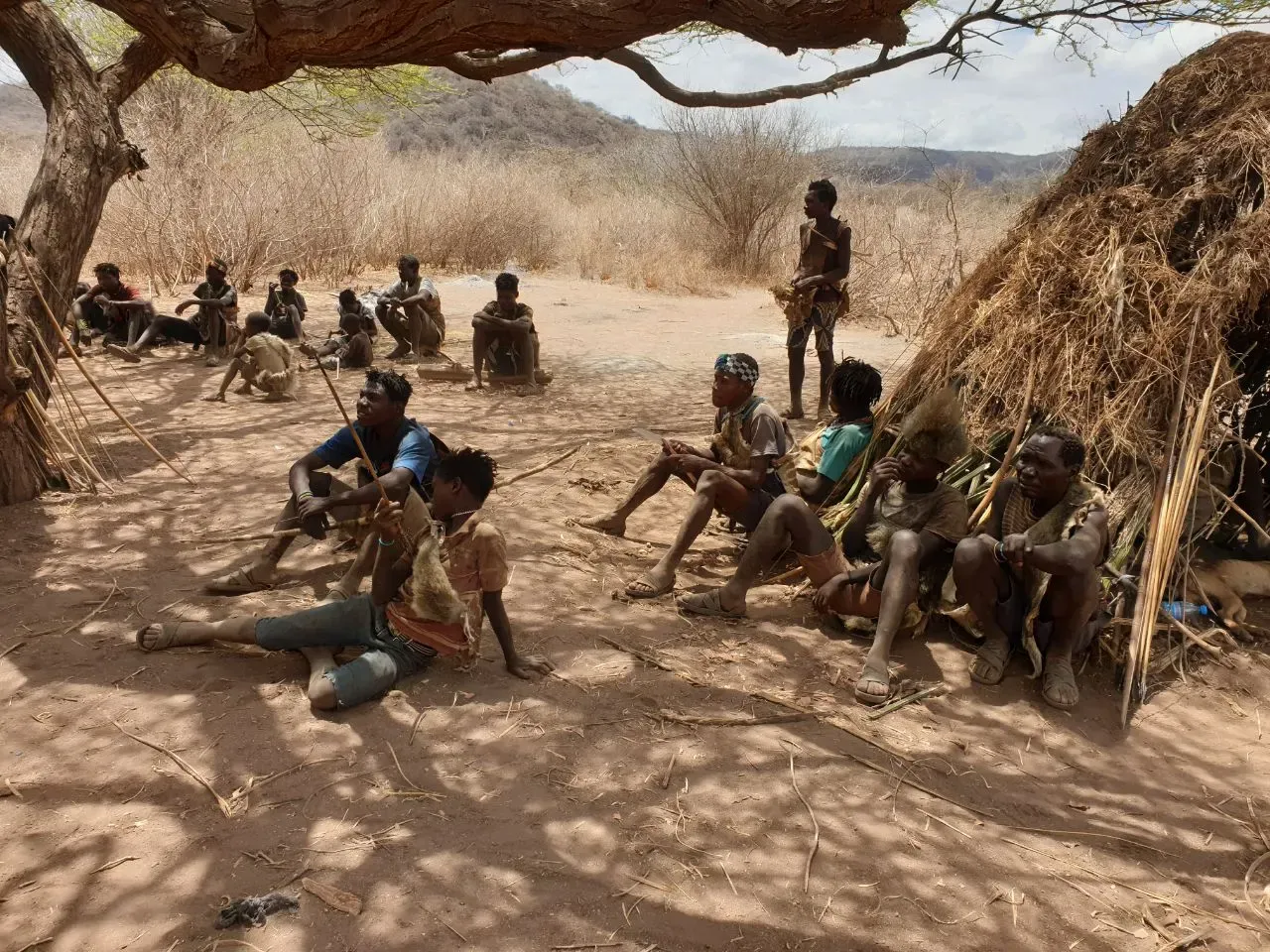
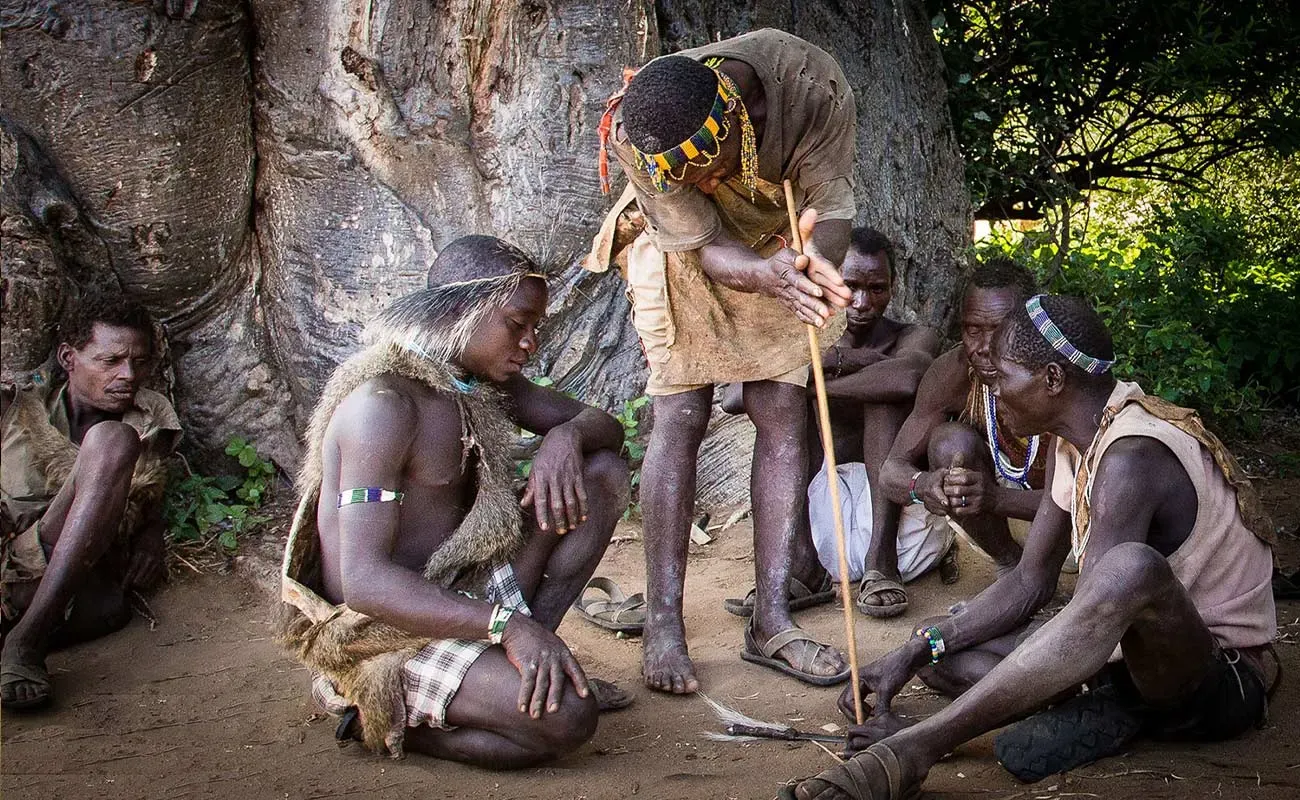
At Lake Eyasi, just south of the Ngorongoro Highlands, live the Hadzabe—one of the last remaining hunter-gatherer communities in East Africa, speaking an ancient click language unrelated to any neighbouring tongue. Joining a small group of Hadza men and women at sunrise as they track honeyguides, dig for tubers, and practice bow-and-arrow hunting offers an extraordinary window into how humanity lived for tens of thousands of years.
Nearby live the pastoralist Datoga people, renowned for smelting scrap brass and copper in charcoal earth furnaces to craft jewelry and arrowheads. Combined with pastoralist Maasai communities in the Rift Valley, Chagga coffee farmers on the slopes of Kilimanjaro, and Swahili spice growers on Zanzibar, Tanzania’s living heritage is as rich as its wildlife.
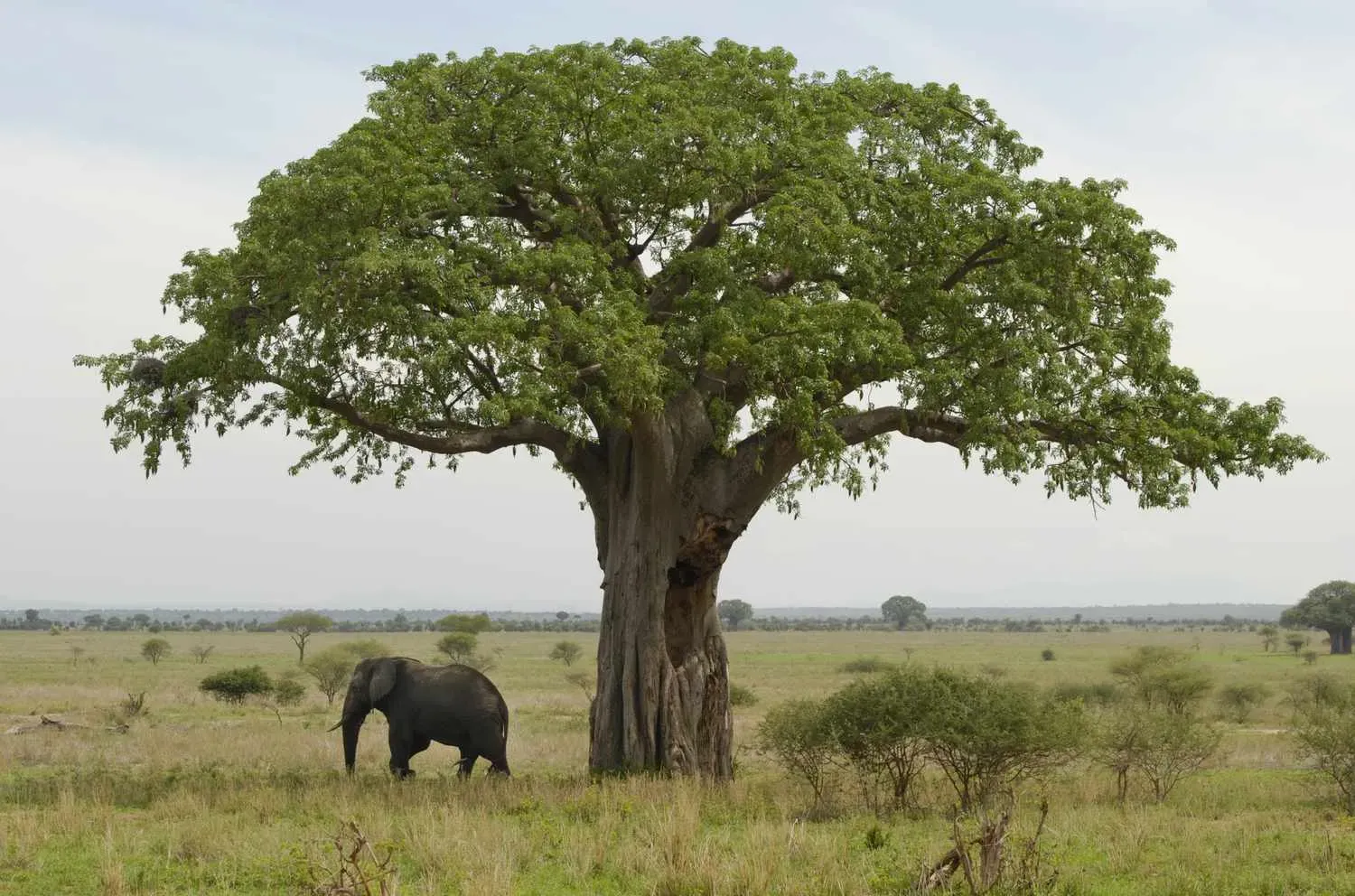
“Walking through the baobabs of Lake Eyasi at sunrise with the Hadzabe—communicating through laughter, hand signals, and our translator—changed how we see the world.”
02Signature Moments
What Makes Cultural & Hadzabe Unforgettable
Every itinerary is tailored by our Arusha team around these defining wildlife, landscape, and cultural highlights.
01All Year · Best at 06:00 Sunrise
Lake Eyasi Basin (South of Ngorongoro)
Dawn Walk with the Hadzabe at Lake Eyasi
Meet a Hadza camp around their morning fire, learn how they craft poisoned arrows and bowstrings from giraffe tendons, and follow them through the acacia scrub in search of wild honey and small game.
02All Year (Paired with Hadzabe Morning)
Lake Eyasi Valley
Datoga Traditional Blacksmiths & Homesteads
Watch Datoga artisans pump goatskin bellows over glowing charcoal pits to cast brass bracelets and iron tools using techniques passed down for generations.
03Flexible 2-to-4-Hour Visits
Rift Valley Escarpment & Karatu
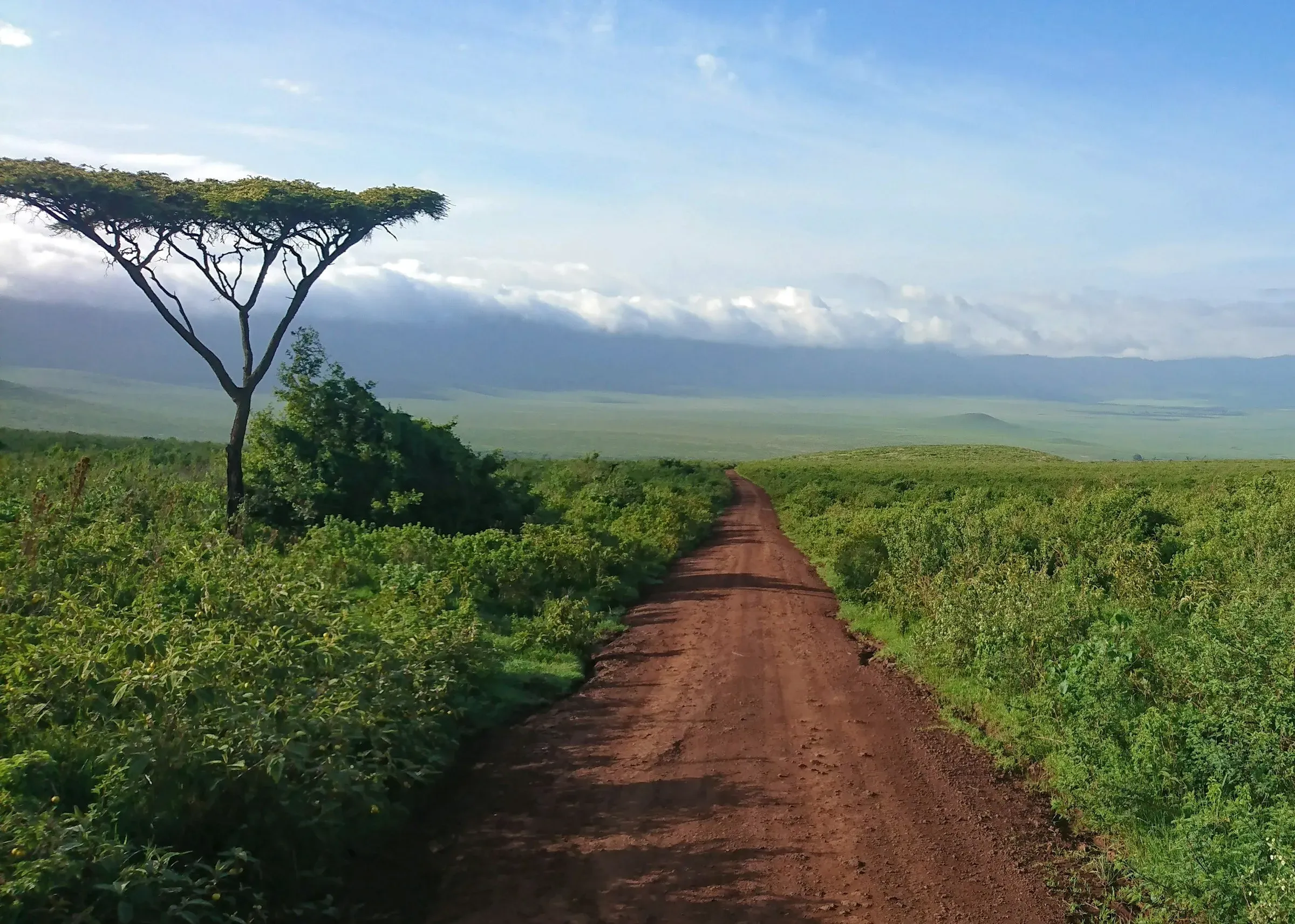
Maasai Bomas, Mto wa Mbu & Iraqw Highlands
Step inside a traditional mud-and-wattle Maasai enkang, taste local banana beer and red bananas in the farming town of Mto wa Mbu, or tour a family-run Arabica coffee estate in Karatu.
03Rhythm in the Bush
A Morning in the Lake Eyasi Valley
Guided by a dedicated local Eyasi community interpreter alongside your safari guide.
0105:45
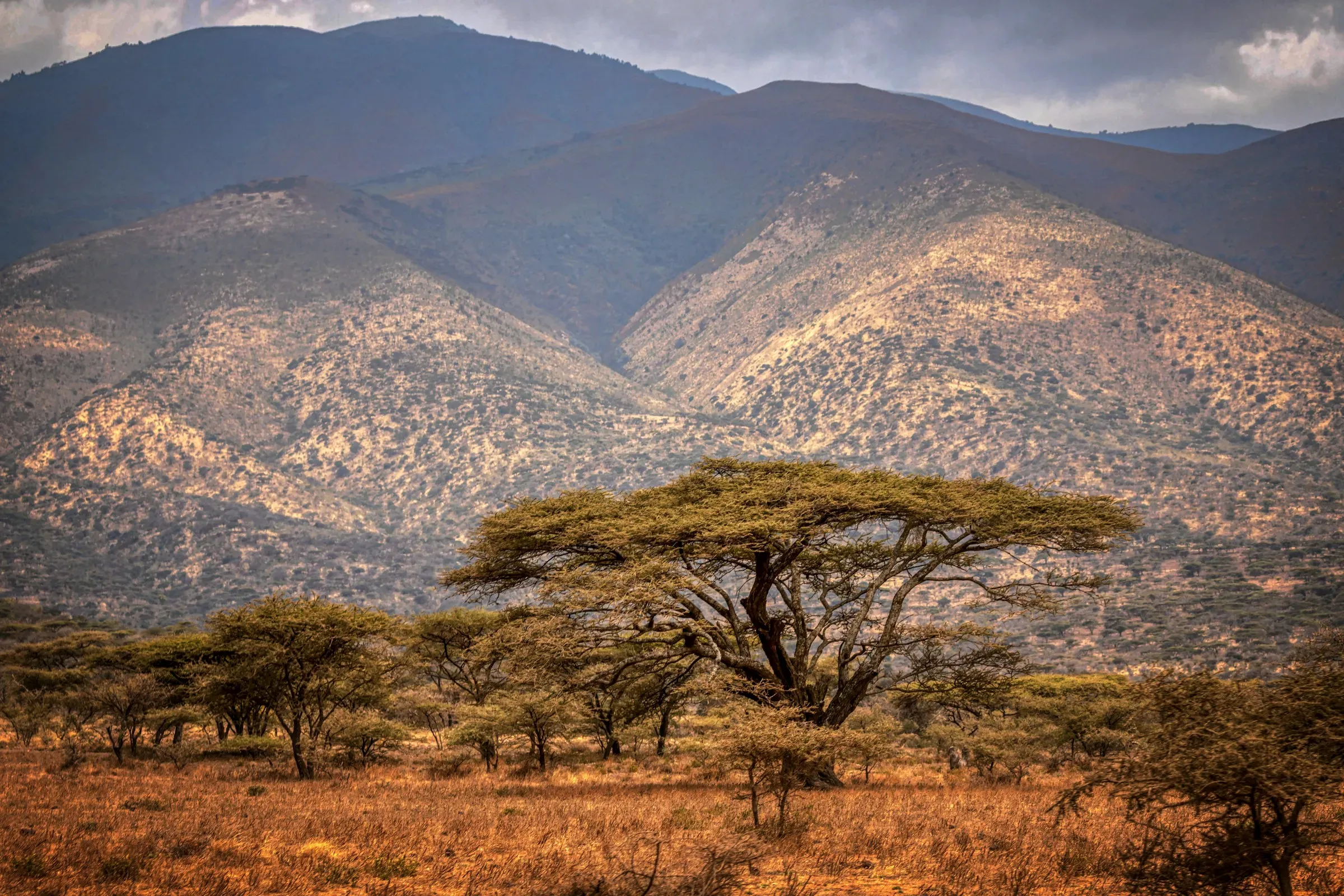
Early Drive to the Acacia Baobab Bush
Leave your Lake Eyasi or Karatu lodge before sunrise to reach the seasonal Hadzabe camp as they warm up by the morning fire.
0206:30
Foraging & Bow-Hunting Walk
Walk through the bush as the men whistle to wild Greater Honeyguide birds that lead them directly to high beehive hollows.
0309:00
Archery Practice & Click-Language Stories
Try your hand at shooting a handmade wooden bow and sit around the fire for an open Q&A translated by our local specialist.
0410:30
Visit Neighbouring Datoga Metallurgists
Stop at a Datoga homestead to see traditional grain grinding and brass-casting before returning for lunch.
01Deepest Immersion
Overnight at Lake Eyasi
Kisima Ngeda Tented Camp or Ziwani Lodge
Staying right on the shores of Lake Eyasi puts you 15 minutes from the Hadzabe at dawn and offers sunset walks along the soda lake.
02Easy Add-On
Day Excursion from Karatu
Karatu Highland Lodges
Lake Eyasi is a scenic 75-minute drive from Karatu, making it easy to add to any 6- or 7-day Northern Circuit safari.
03No Extra Night Needed
Rift Valley & Village Half-Day
En Route Between Tarangire, Manyara & Ngorongoro
Add a 2-hour Mto wa Mbu market walk, tuk-tuk tour, or Maasai boma visit right along your main safari road.
Yes, when done properly. We work strictly with accredited local Eyasi community coordinators who check which camp welcomes visitors that morning, keep group sizes small, pay fair community fees directly, and never stage artificial performances.
Can we take photographs during cultural visits?+
Yes—once your guide and local translator have introduced you, hosts are happy for you to take photos. We always encourage asking permission before taking close-up portraits.
How physically demanding is the Hadzabe morning walk?+
It is completely adaptable. You can follow the active hunters at a brisk pace through the scrub for an hour, or walk gently around the camp area and focus on fire-making, archery, and conversation.

 01All Year · Best at 06:00 Sunrise