 01
All year · Best first base
Central Serengeti (Seronera Valley)
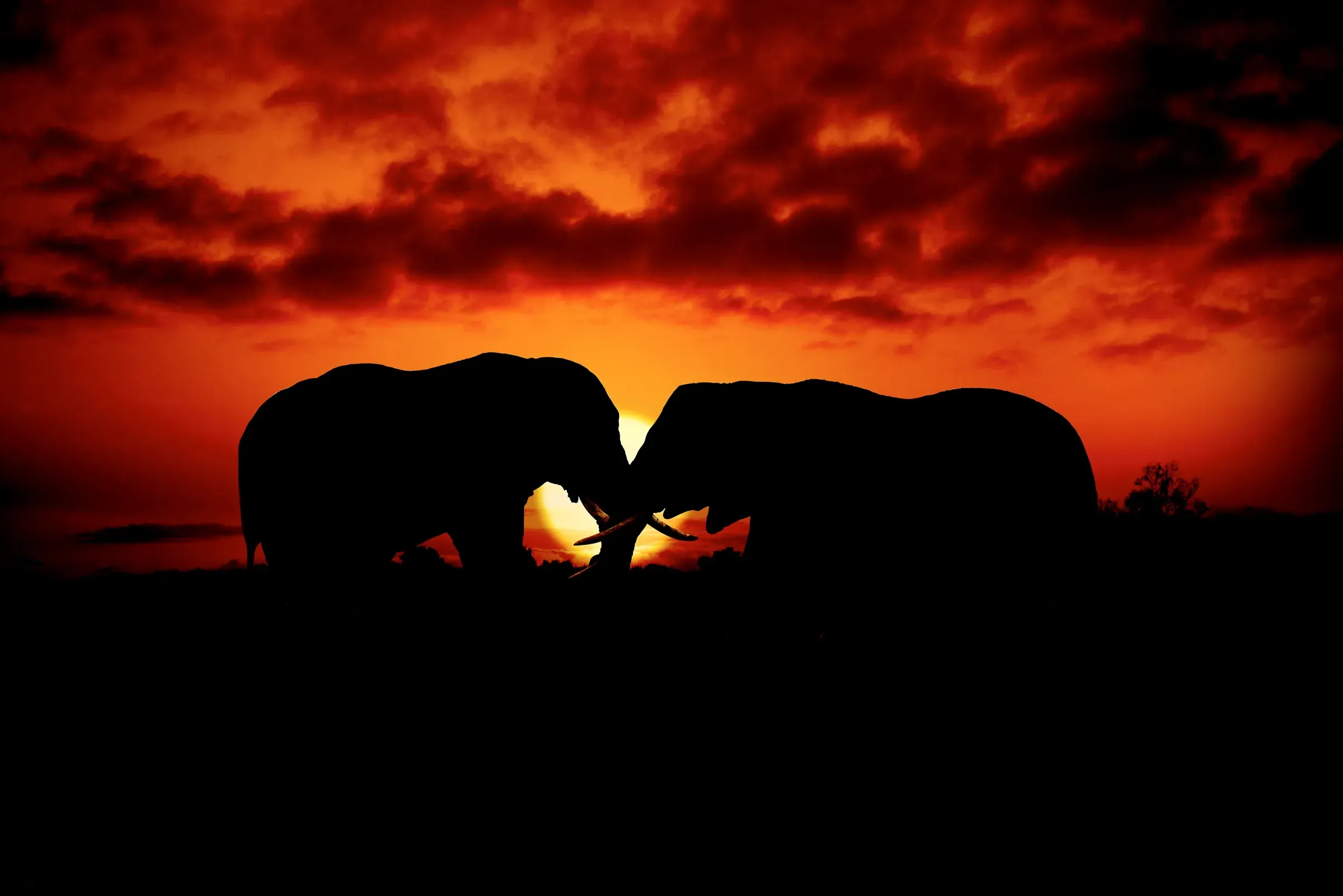
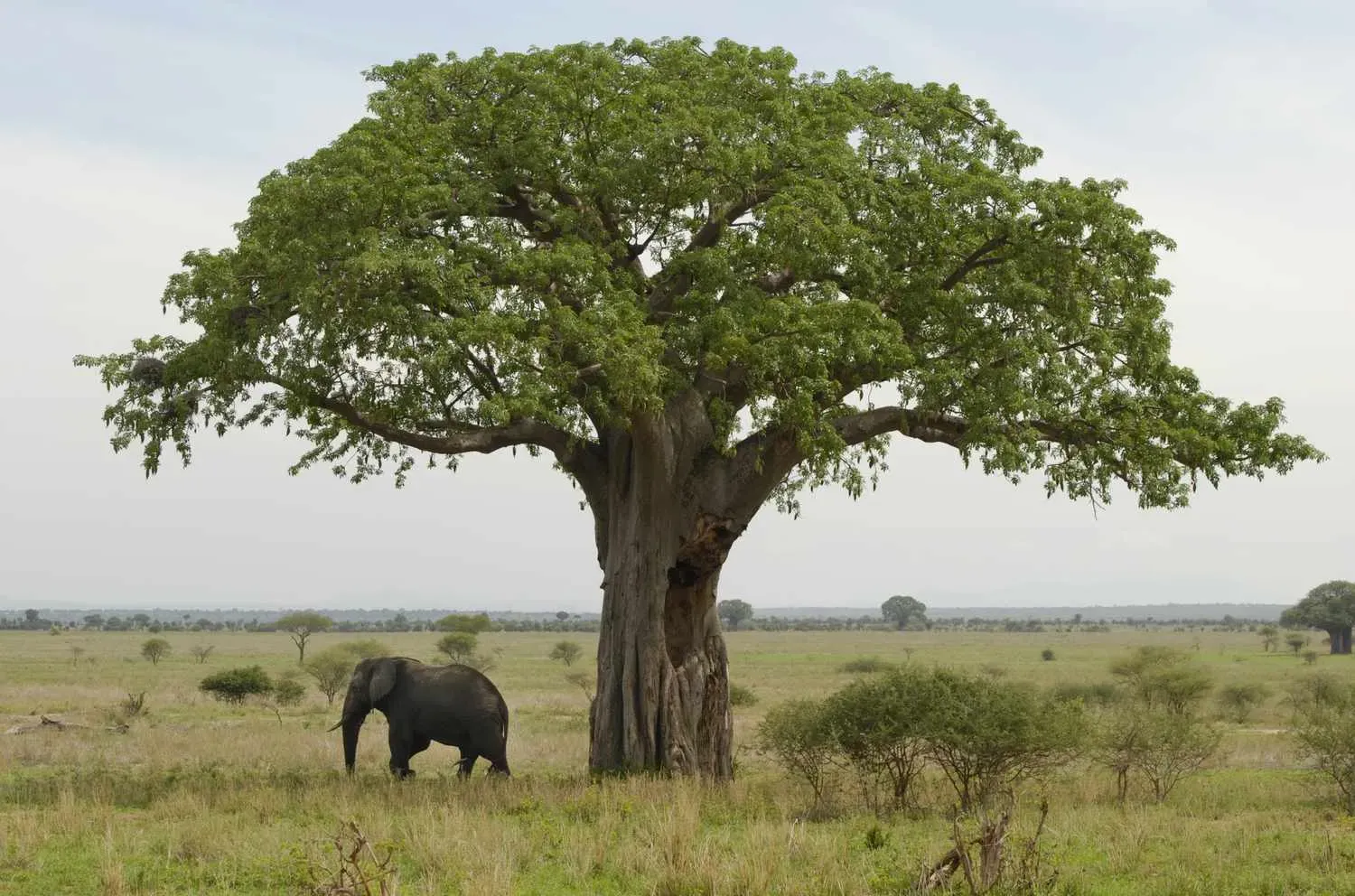
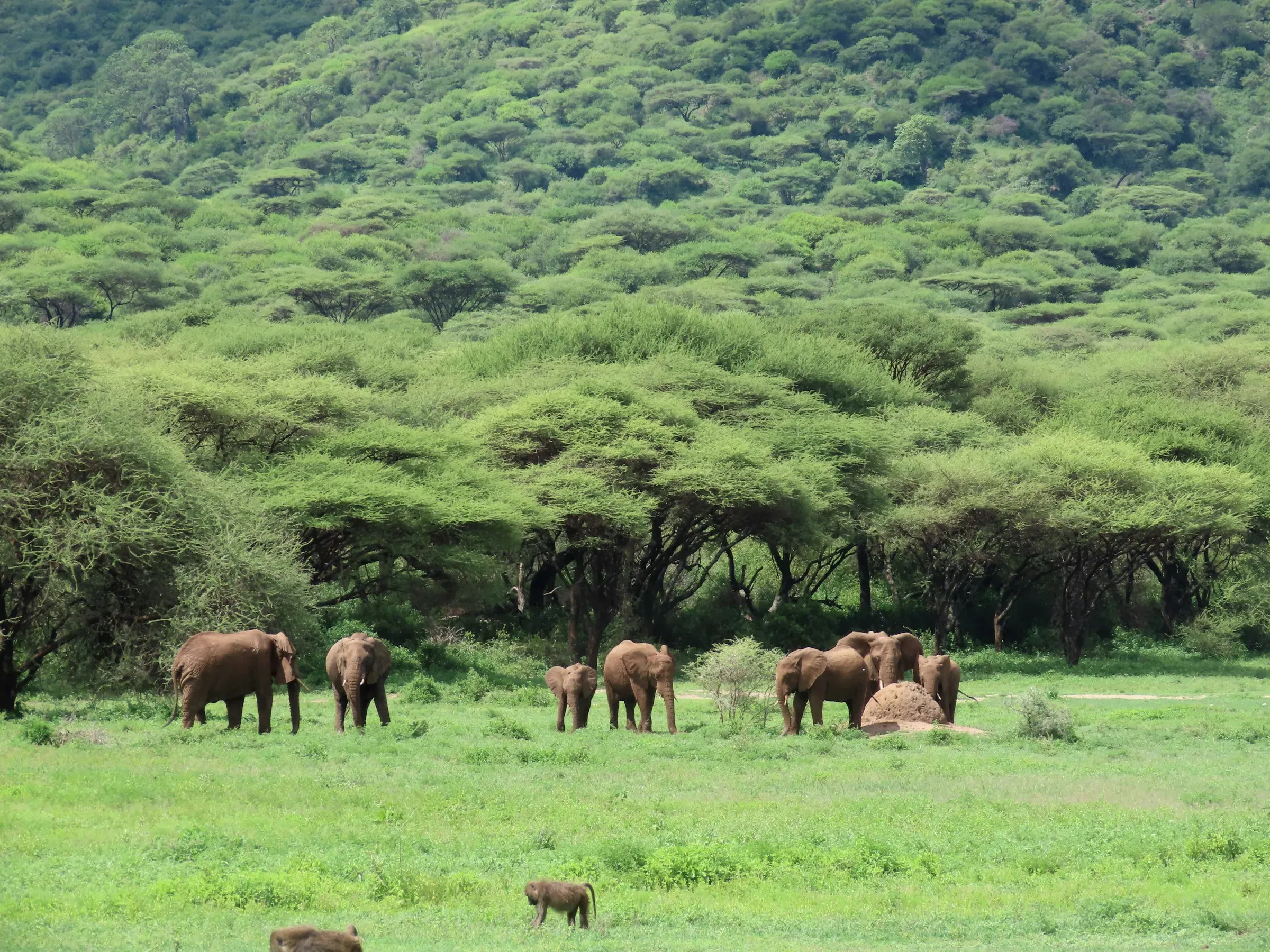
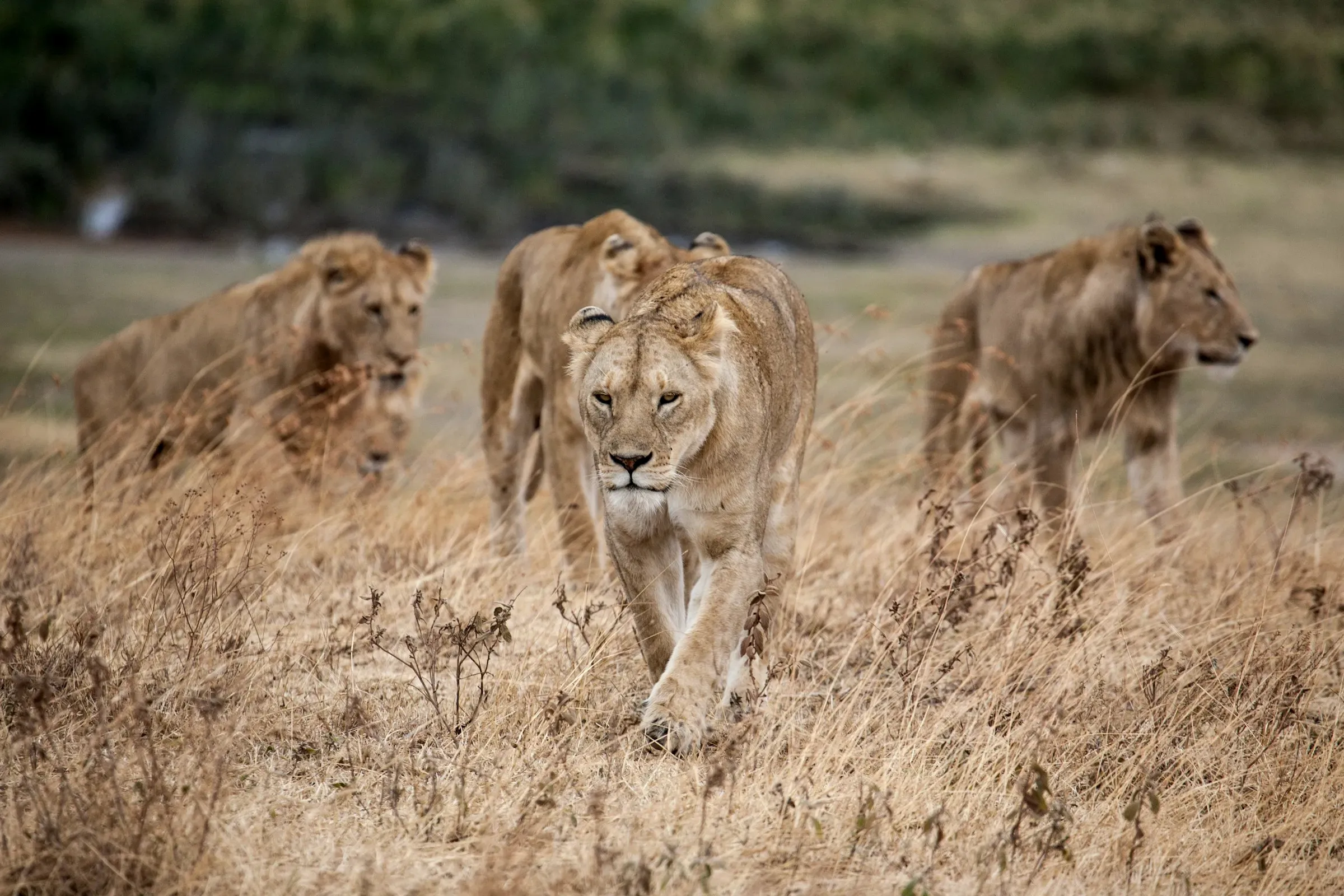
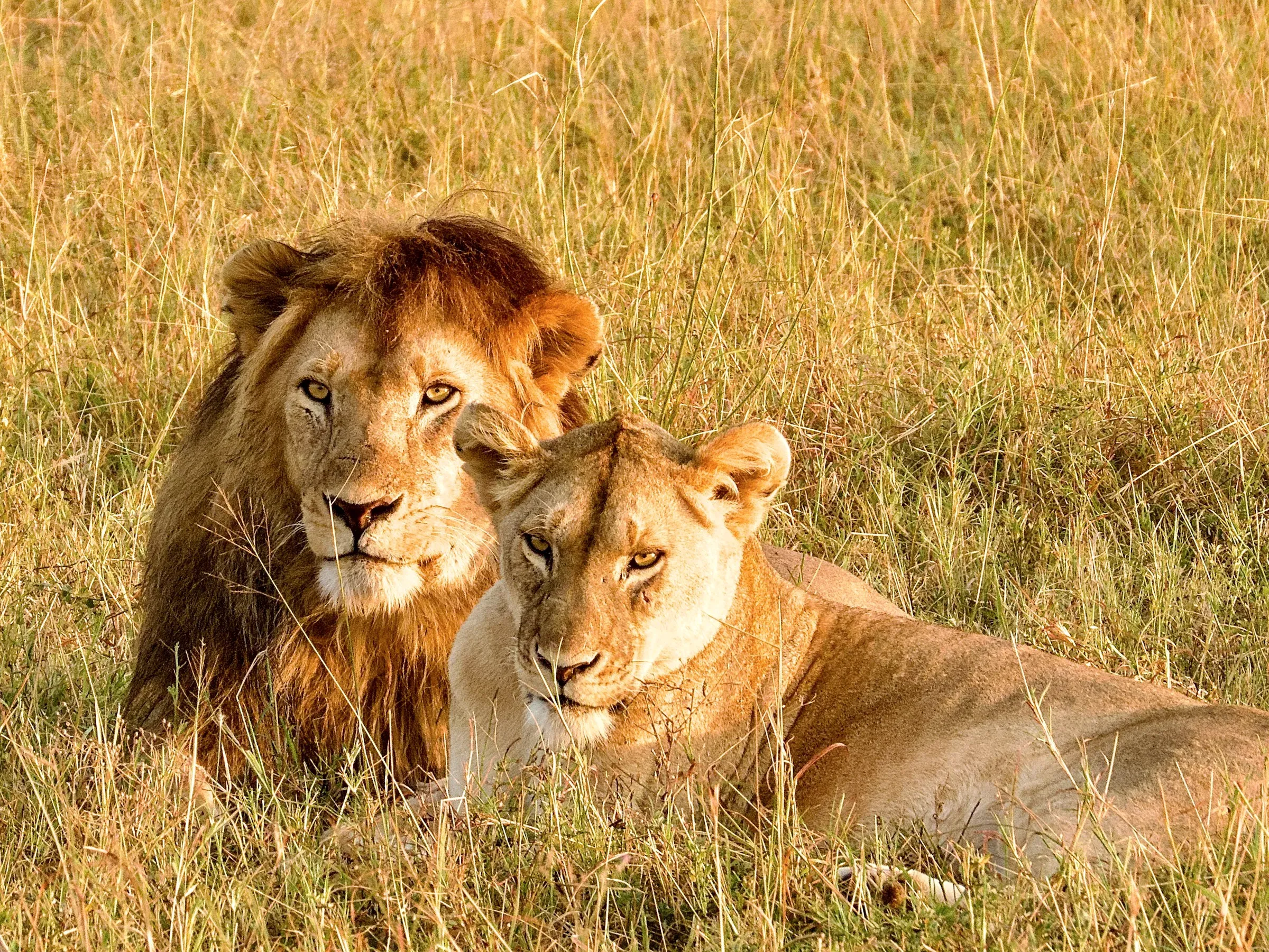
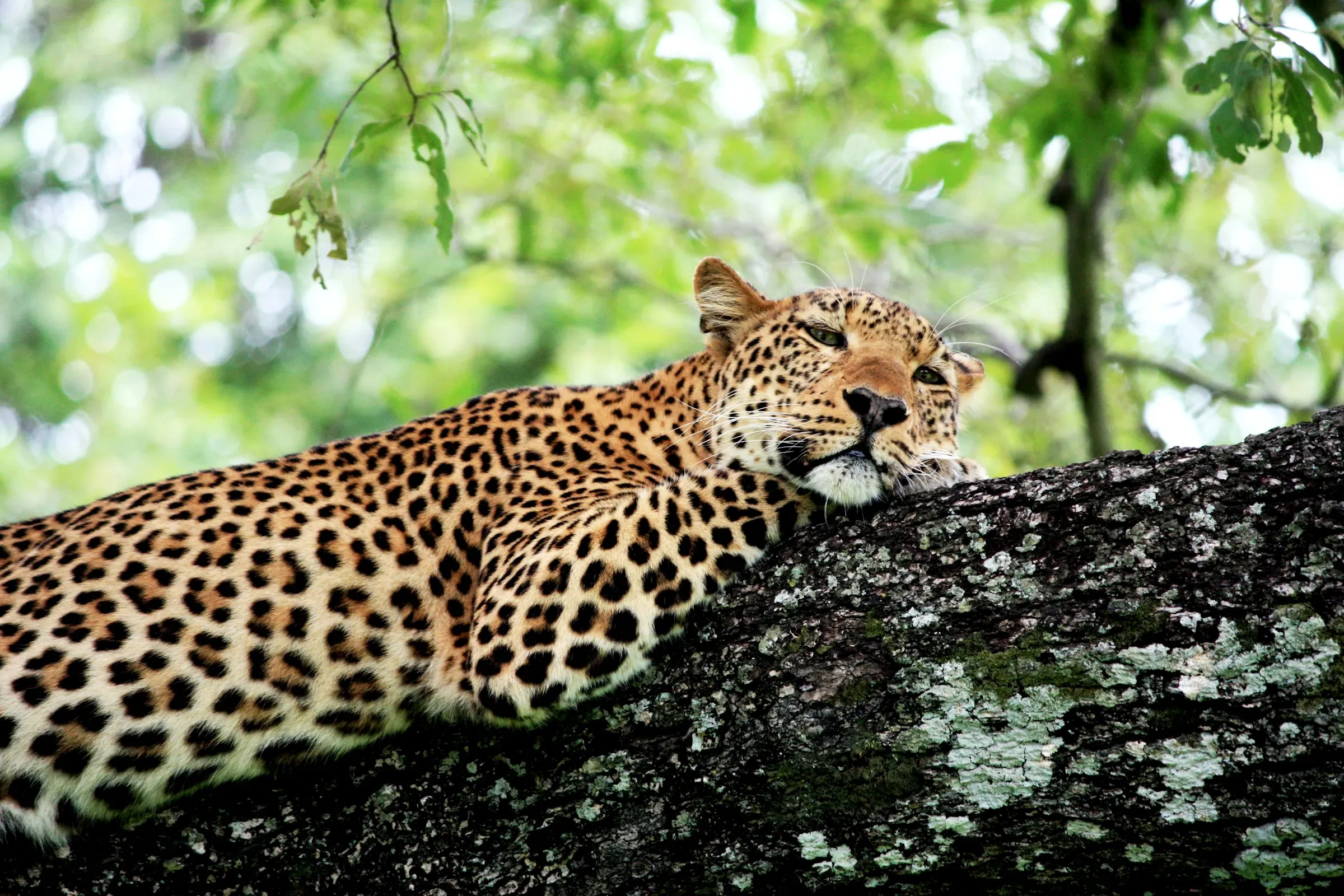
Permanent water in the Seronera River keeps resident lions, leopards in sausage trees, elephants, and hippos here twelve months a year. Ideal for 2–3 night safaris.
Endless savanna plains, year-round big cats, and the Great Wildebeest Migration
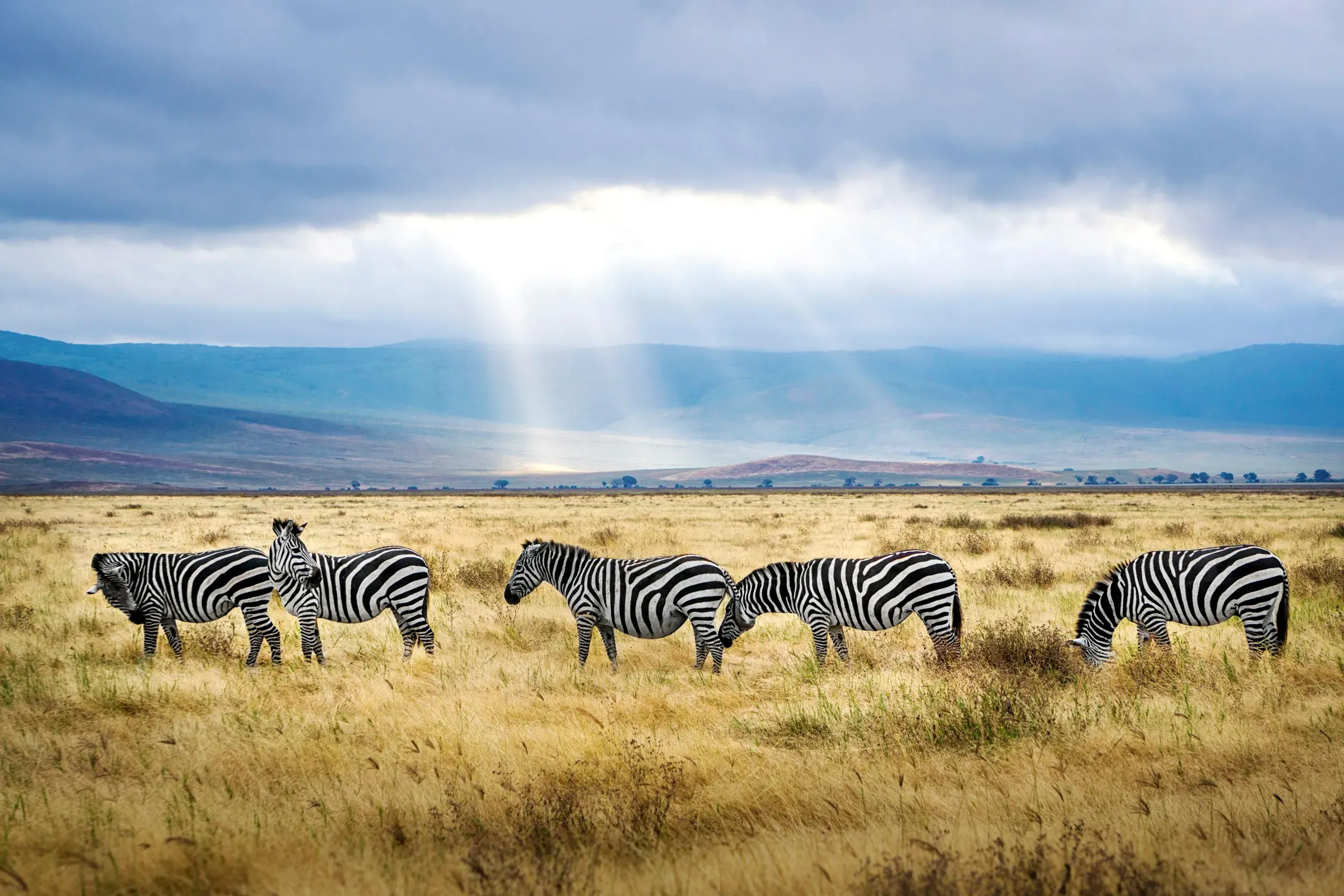
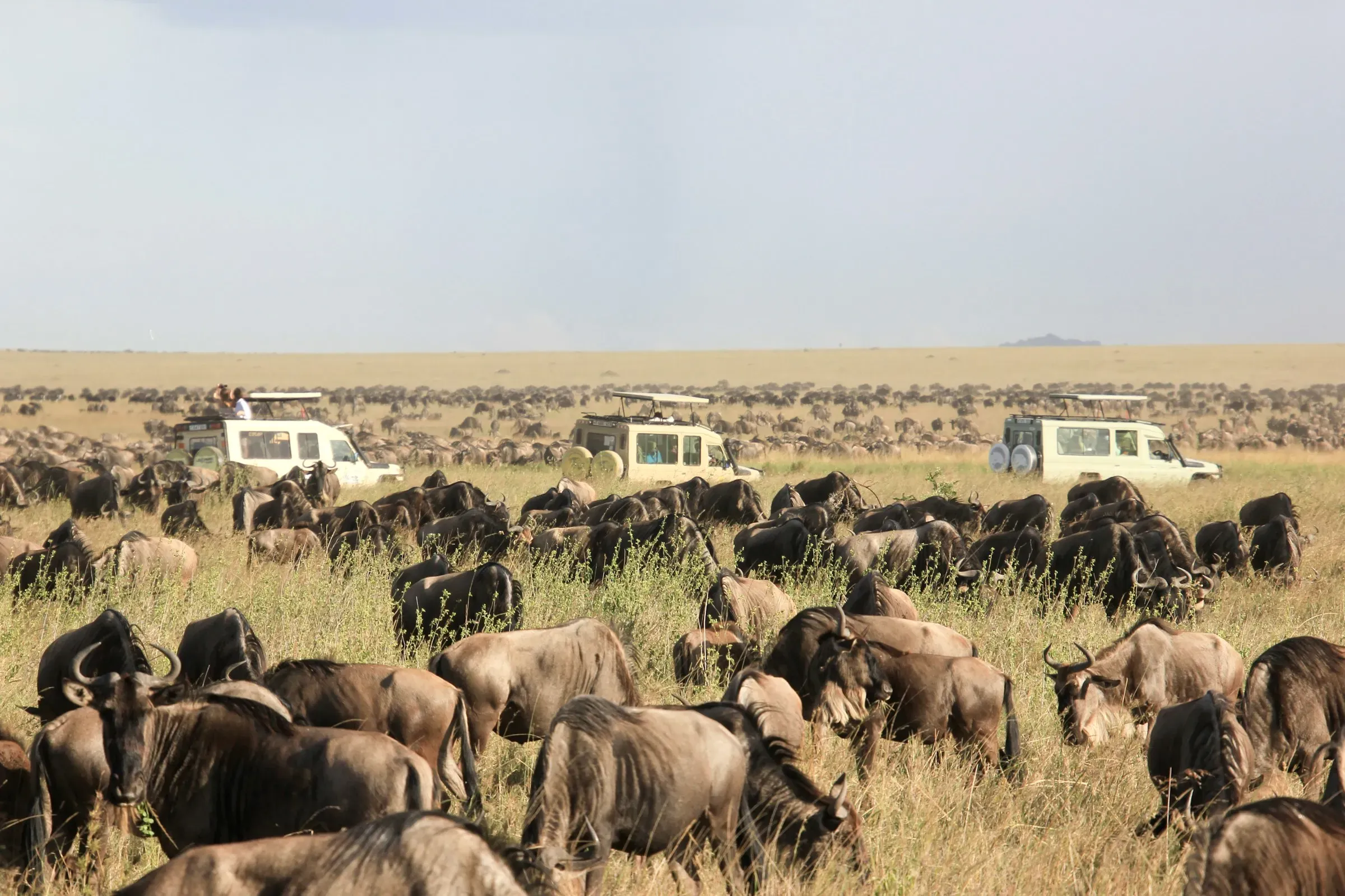
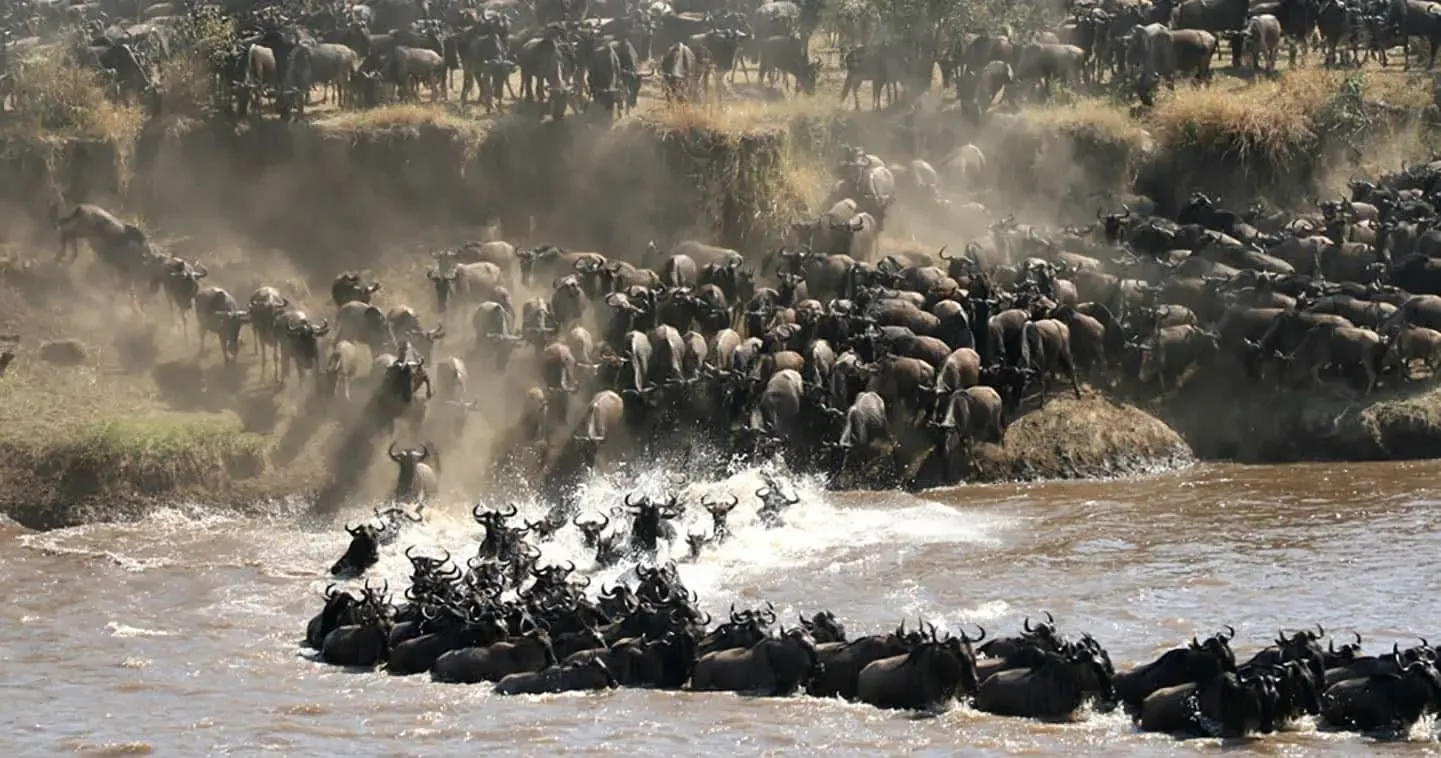
Around two million wildebeest, zebras, and gazelles circle the Serengeti each year, shadowed by Africa’s largest lion population, cheetahs on open grass, and leopards along wooded rivers.
Serengeti National Park protects 14,763 km² of savanna, woodland, and riverine forest in northern Tanzania. Gazetted in 1951 and inscribed as a UNESCO World Heritage Site in 1981, it hosts the Great Migration all year: visit June to October for Grumeti and Mara river crossings, or January to February for calving on the southern Ndutu plains.
The name comes from the Maasai word siringet — “the place where the land runs on forever.” Climb a granite kopje at dawn in Seronera or Gol and the horizon proves it.
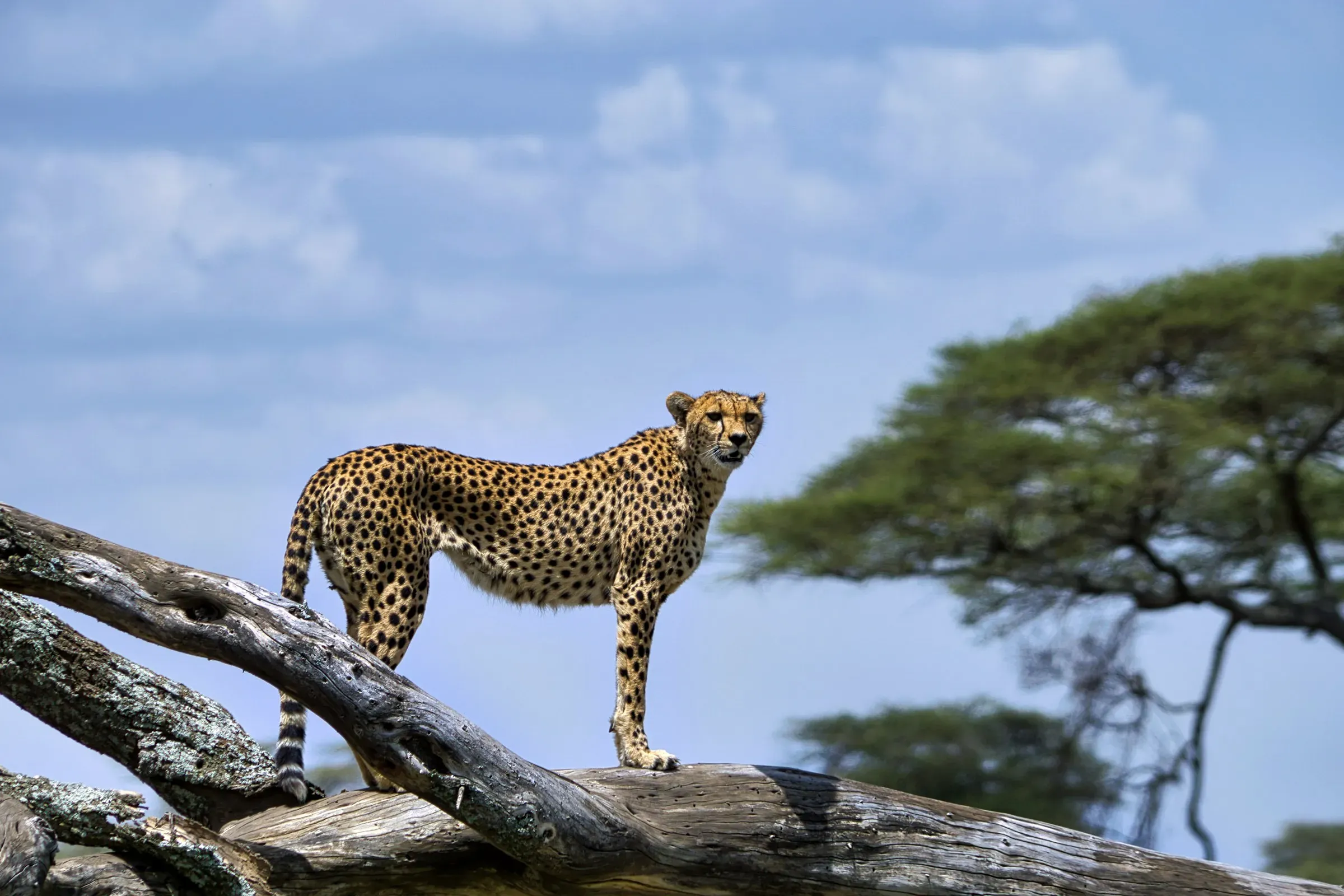
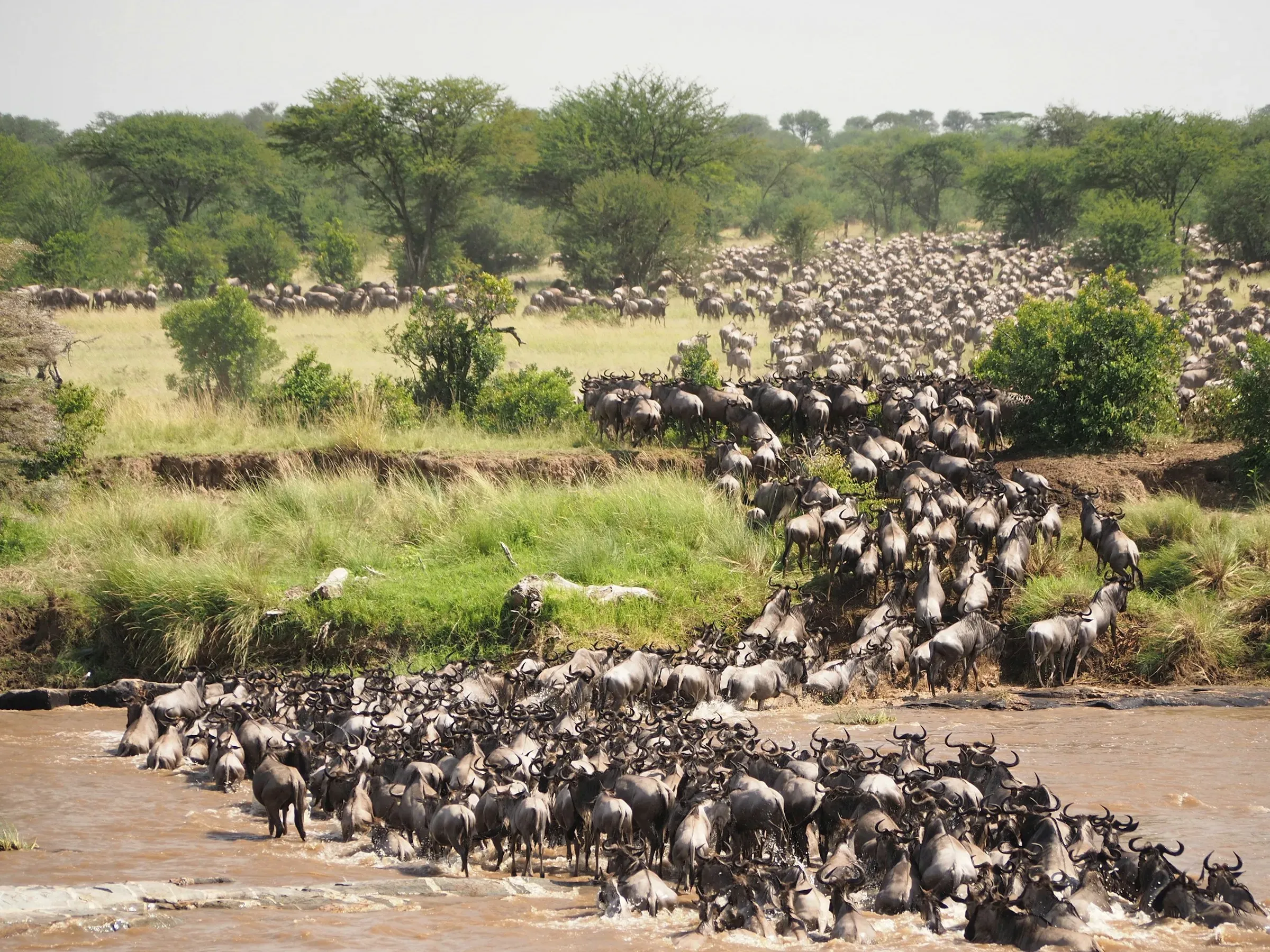
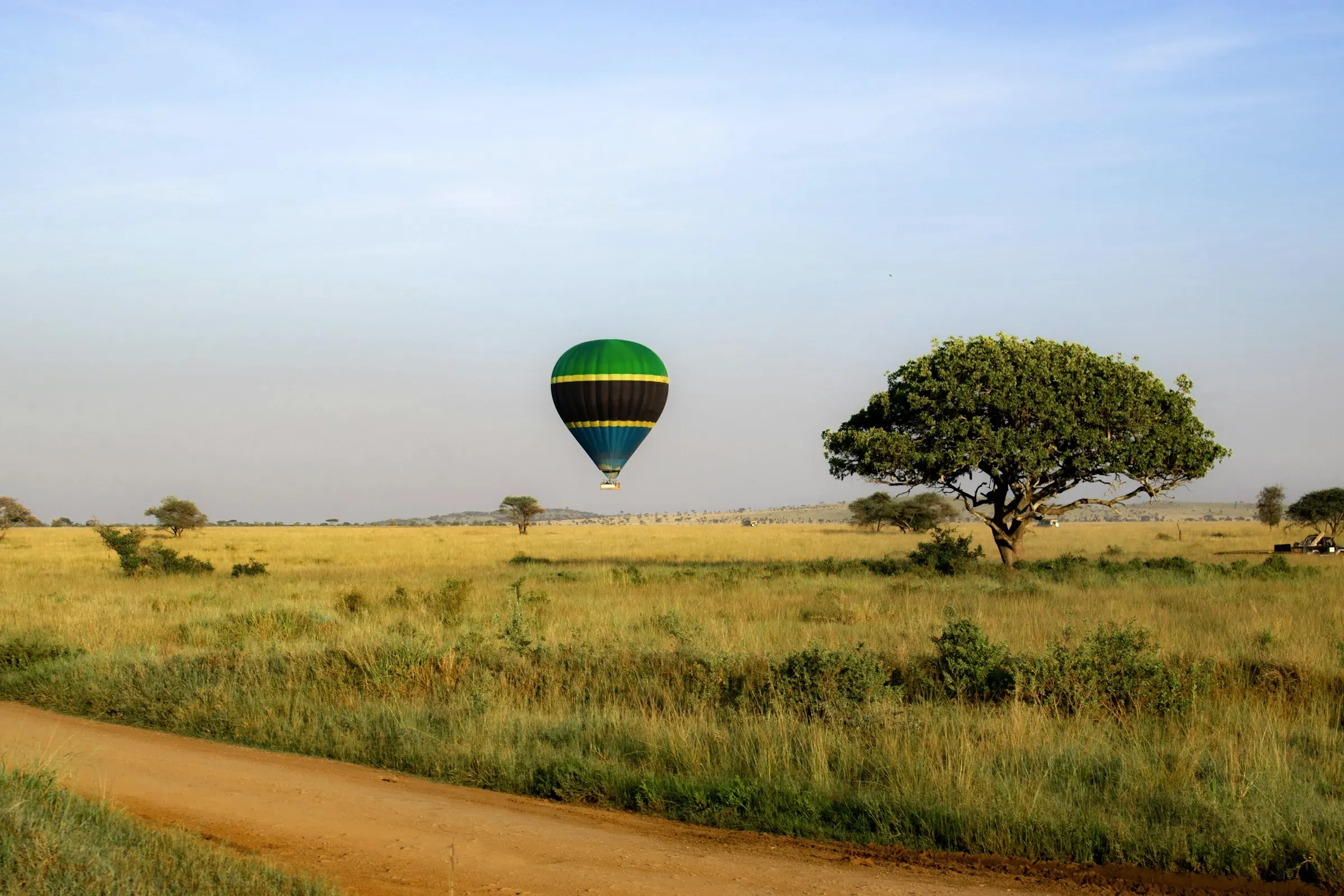
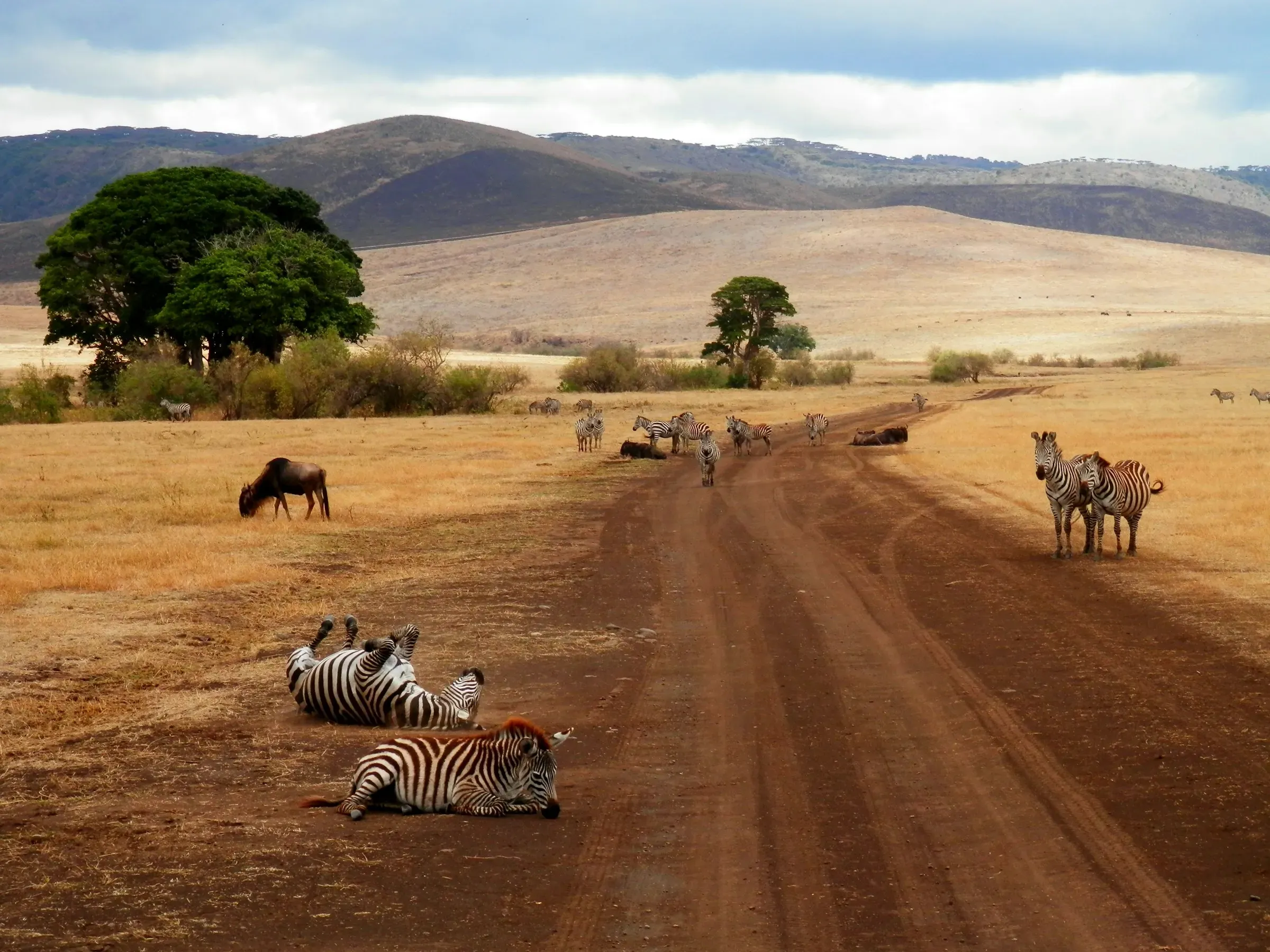
The Great Migration is not a single week-long event — it is a continuous clockwise loop driven by rainfall and fresh grazing across the wider Serengeti-Mara ecosystem. Because over 80% of the ecosystem lies inside Tanzania, the herds spend ten to eleven months of the year in the Serengeti and Ndutu.
“The Serengeti plains harbour the largest remaining unaltered animal migration in the world where over one million wildebeest plus hundreds of thousands of other ungulates engage in a 1,000 km long annual circular trek spanning the two adjacent countries of Kenya and Tanzania.”
| Months | Primary region | What happens on the ground |
|---|---|---|
| December to March | Southern Plains & Ndutu | Nutrient-rich short grass draws vast herds south. Around 500,000 calves are born in a three-week window in February, attracting lions, cheetahs, and hyenas. |
| April to May | Central & South-West (Moru Kopjes) | Long rains turn the plains emerald. Columns stretching tens of kilometres march north-west during the annual rut, with very few safari vehicles around. |
| June to July | Western Corridor (Grumeti River) | Dry weather opens. Herds gather along wooded channels of the Grumeti River, facing oversized Nile crocodiles before pushing north. |
| August to October | Northern Serengeti (Kogatende & Lamai) | Peak Mara River crossings. Wildebeest surge back and forth across steep banks and rapids between northern Tanzania and Kenya. |
| November | Lobo & Eastern Central Plains | Short rains break in the south, pulling the columns rapidly down through Lobo and Seronera toward the calving grounds. |
Exact herd positions shift by two to three weeks each year depending on the rains. Our guides share live bush updates every day so your game drives follow real movement — explore our full interactive tracker on the Great Migration page. Open the month-by-month Great Migration tracker
At nearly 15,000 km², choosing the right sector for your travel month cuts hours of unnecessary driving and places your camp right beside the action.
01Permanent water in the Seronera River keeps resident lions, leopards in sausage trees, elephants, and hippos here twelve months a year. Ideal for 2–3 night safaris.
 02
Treeless short-grass plains straddling the Serengeti–Ngorongoro boundary. Off-road driving is permitted in Ndutu, giving photographers clean angles during February calving.
 03
A 50 km finger of riverine forest and floodplain reaching toward Lake Victoria. Home to giant crocodiles, colobus monkeys, and early-summer Grumeti crossings.
04Rolling Combretum hills, granite outcrops, and the Mara River. Far quieter than across the Kenyan border, with dramatic crossings and fly-in airstrip access.
Even when the migratory columns are 150 km away, the Serengeti’s permanent predator and herbivore populations deliver world-class game viewing in every month.
Census data reference: UNESCO World Heritage Centre — Serengeti National Park ↗
Granite kopjes (Simba, Maasai, and Moru) and shady riverbanks around Seronera.
Wooded valleys in the north, Lobo hills, and permanent pools along the Seronera and Grumeti.
Termite mounds and open short-grass plains around Namiri, Gol Kopjes, and Ndutu.
Draped over horizontal branches of sausage and yellow-barked acacia trees in Seronera.
Small protected populations near Moru Kopjes and the north; Ngorongoro Crater offers higher odds →
Sighting ratings reflect our Arusha guides’ field experience across seasons, not a guarantee — wild animals move freely.
The Serengeti is open 365 days a year. Pick your dates according to whether you want river crossings, newborn calves, or quiet green plains.
Short grass concentrates wildlife along rivers, skies are clear, and Mara River crossings peak from late July through September. Book tented camps 6–9 months ahead.
Over half a million wildebeest calves are born on the southern plains in February, triggering intense cheetah and lion hunting action.
Brief afternoon showers turn dusty plains emerald, migrant birds arrive from Europe and Asia, and herds stream south again.
Heavier showers, dramatic skies, lower lodge rates, and wonderfully quiet tracks across Central Serengeti.
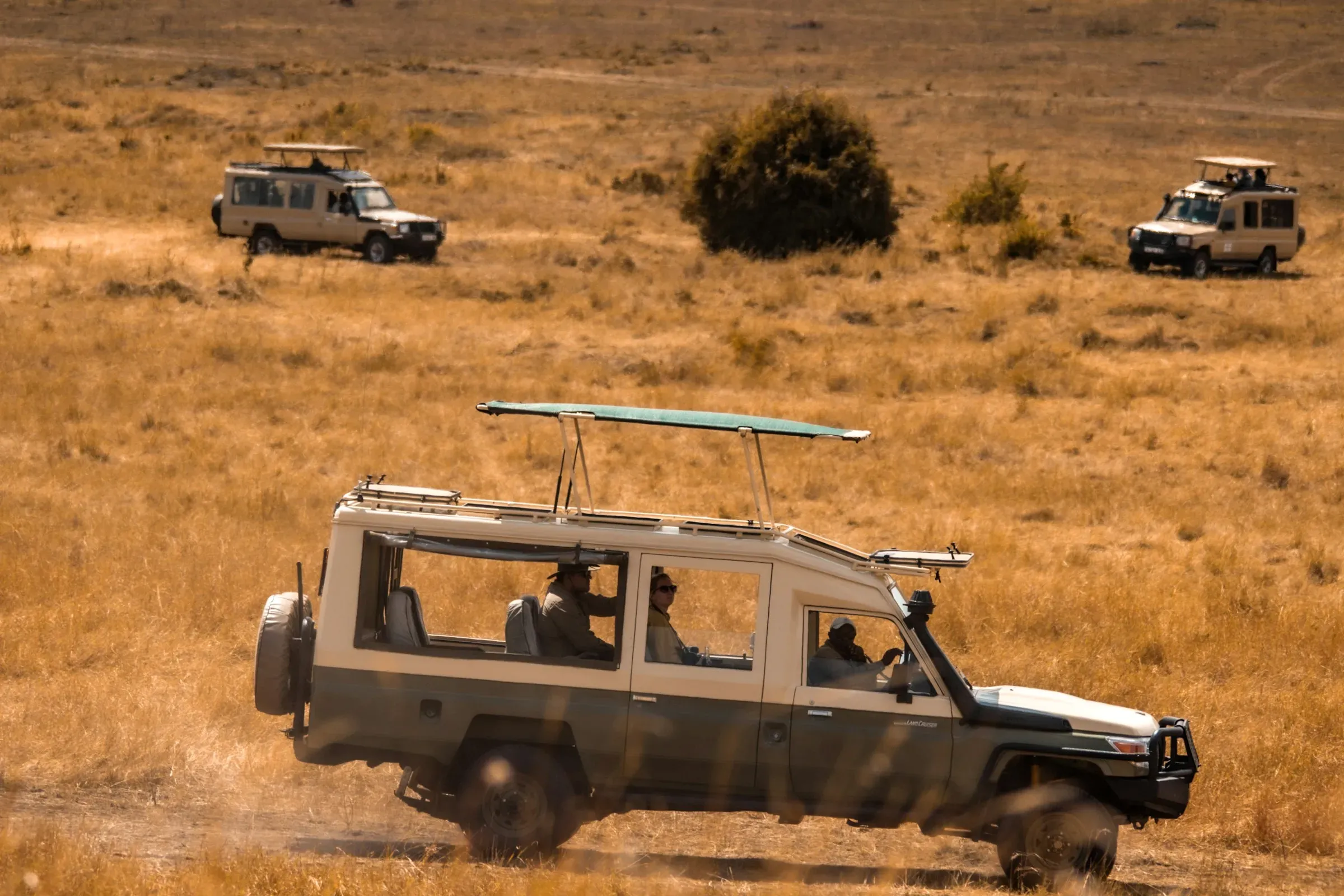
Most overland safaris begin in Arusha. Driving straight to Naabi Hill Gate and Central Serengeti takes 7 to 8 hours (~335 km), so we naturally break the journey with game drives and overnights at Tarangire, Lake Manyara, or the Ngorongoro Crater rim.
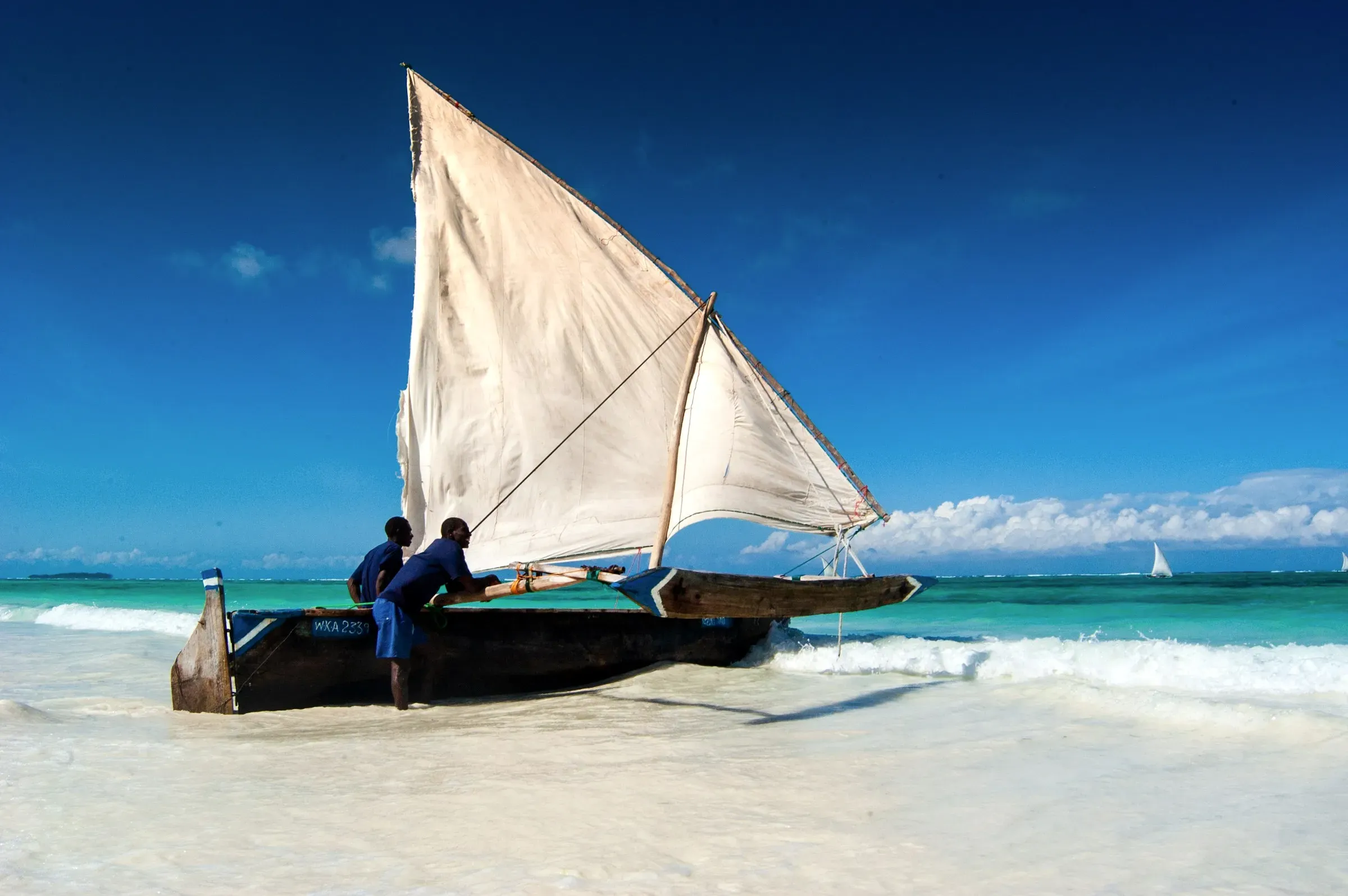
Prefer to skip road transfers — or heading straight from the beach? Daily scheduled bush flights link Arusha (ARK), Kilimanjaro (JRO), and Zanzibar (ZNZ) with Seronera, Kogatende, Lobo, Grumeti, Kusini, and Ndutu airstrips in 50 to 90 minutes.
For Mara River crossings and dry weather, July to September is peak season. For newborn wildebeest calves and predator hunts on open short grass, February is unmatched. For general big-cat viewing in Central Serengeti with fewer crowds, June, October, November, and January–March are all superb.
Plan at least 3 nights (4 days) if your budget and schedule allow. Two nights is the practical minimum for Central Serengeti alone, whereas 3 to 4 nights lets you combine Seronera with the Northern Serengeti or Southern Ndutu plains without rushing.
Yes — lion, leopard, African elephant, and Cape buffalo are seen regularly, especially around the Seronera Valley. Eastern black rhino is present around Moru Kopjes and in the north, though sightings are rare; pairing Serengeti with the Ngorongoro Crater gives you your strongest chance of completing all five.
Both belong to one unfenced ecosystem, but Tanzania’s Serengeti (14,763 km²) is nearly ten times larger than the Maasai Mara National Reserve (1,510 km²). Because of its scale, the Serengeti hosts the Great Migration for roughly ten months of the year, including the entire calving season and Grumeti crossings.
Driving from Arusha via Tarangire and Ngorongoro is the classic, best-value way to experience multiple landscapes in one loop. Flying one-way (drive in, fly out — or fly directly from Zanzibar) saves a 7–8 hour return road journey, especially when staying in far-northern Kogatende.
Yes. Private departures in a dedicated 4×4 Land Cruiser with pop-up roof run daily year-round, tailored to your lodge tier (budget camping, mid-range tented camps, or luxury lodges). Small-group departures are also available on request.
Road distances, seasonal windows, and sighting notes come from our own Arusha guides on the ground. Last reviewed November 2026.