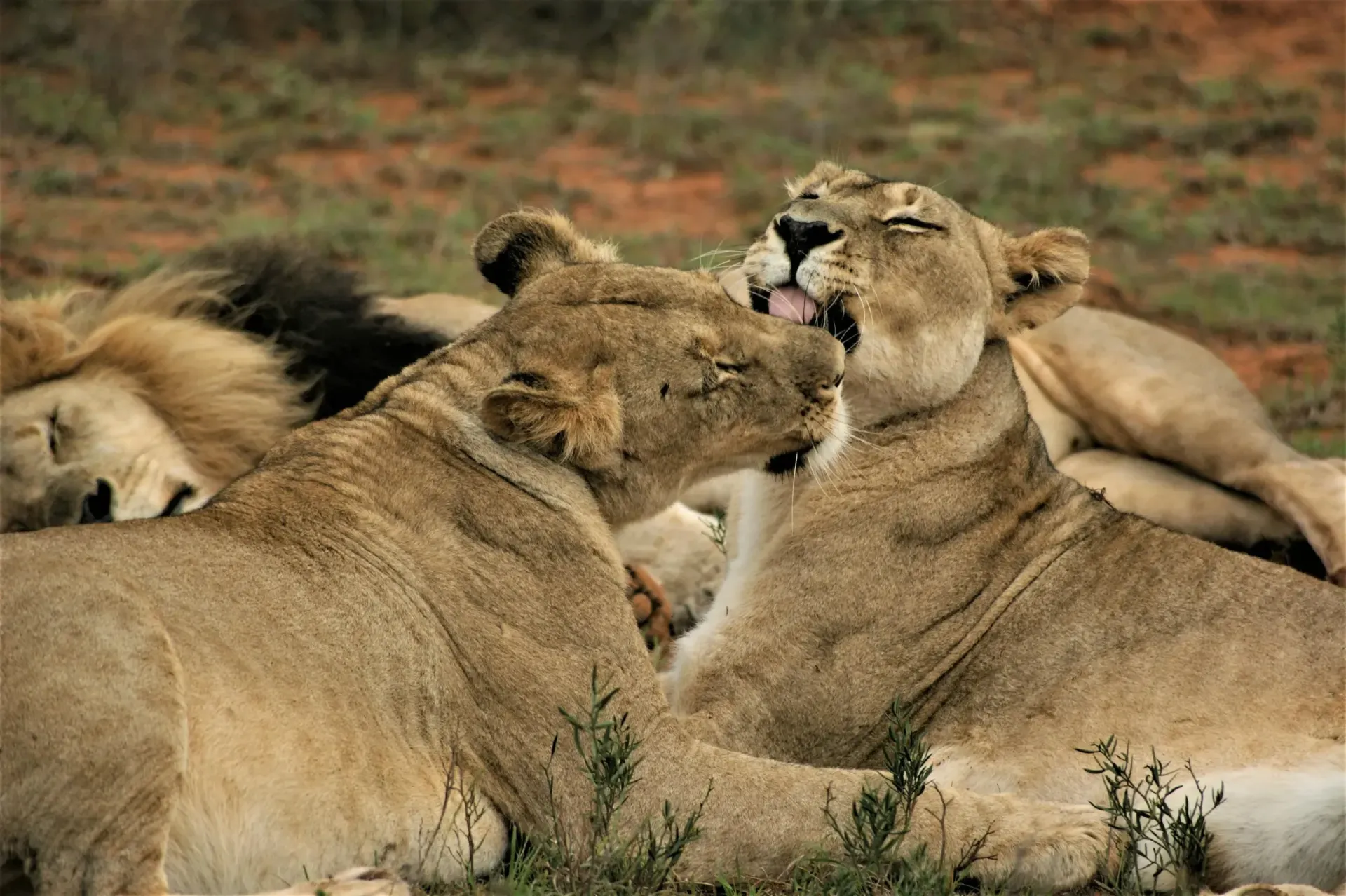
When is the best time to visit Tanzania? The answer depends on what you want to experience. Whether you’re after the Great Migration, sunny beach days in Zanzibar, or quieter safaris off the beaten path, every month offers something special.
One Thing’s for Sure: Tanzania is Beautiful All Year Round!
While the country has two main seasons, wet and dry, each comes with its own charm. Some months are perfect for game drives and climbing Mount Kilimanjaro, while others are ideal for birdwatching and budget-friendly travel.
June to October & December to February: Best Overall
These months are considered the best for visiting Tanzania. Here’s why:
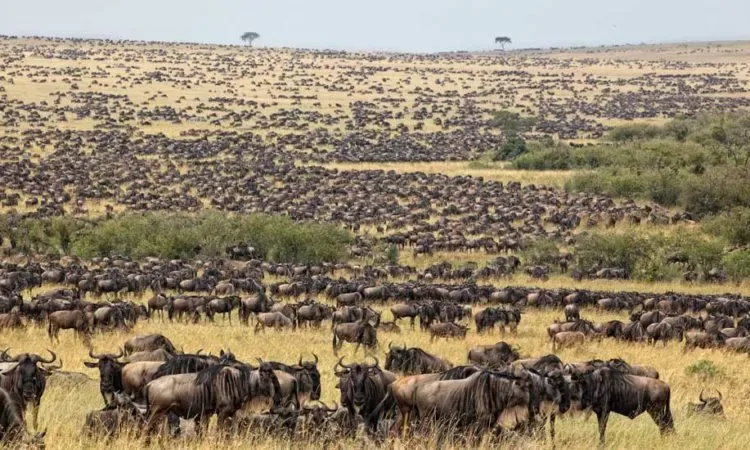
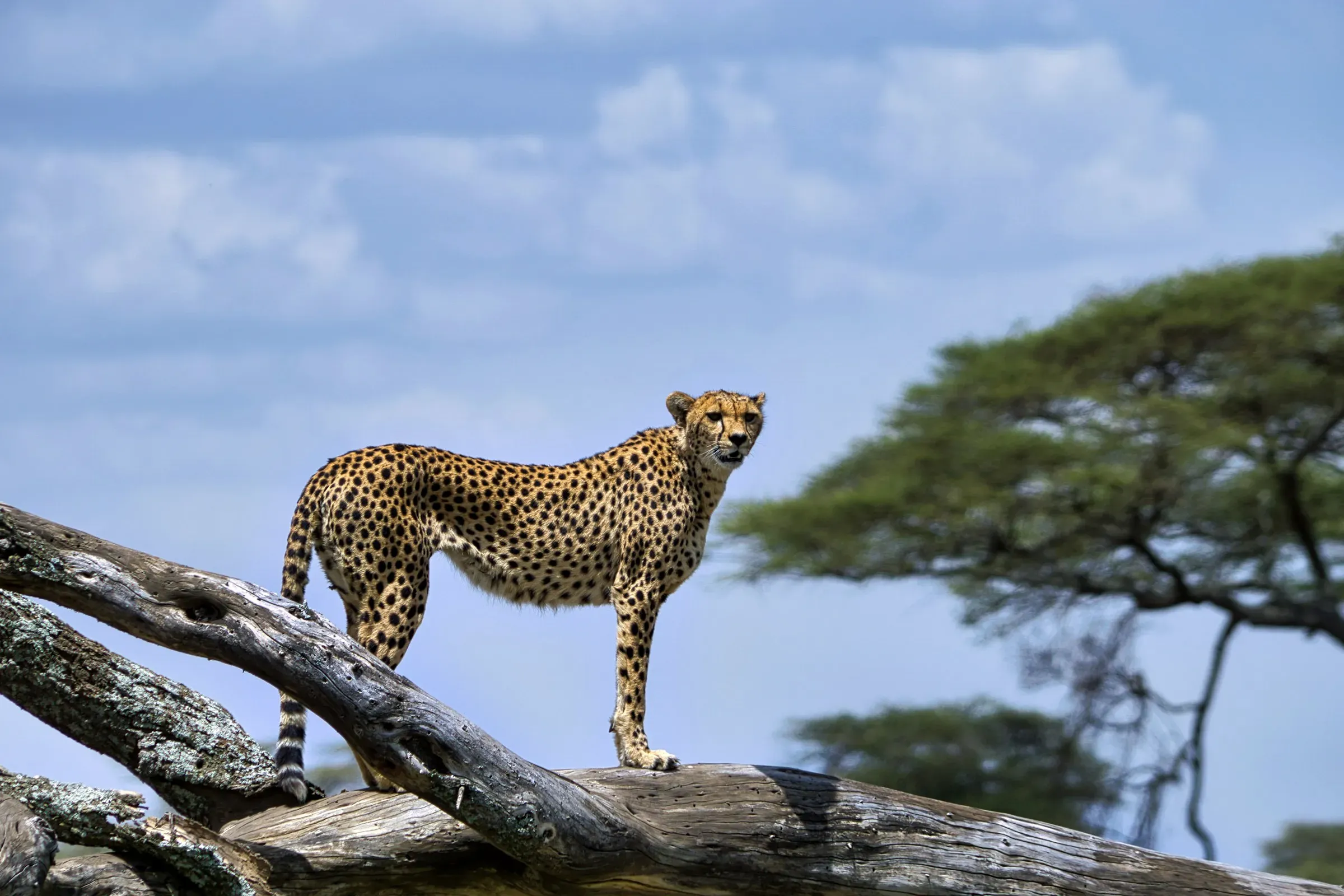
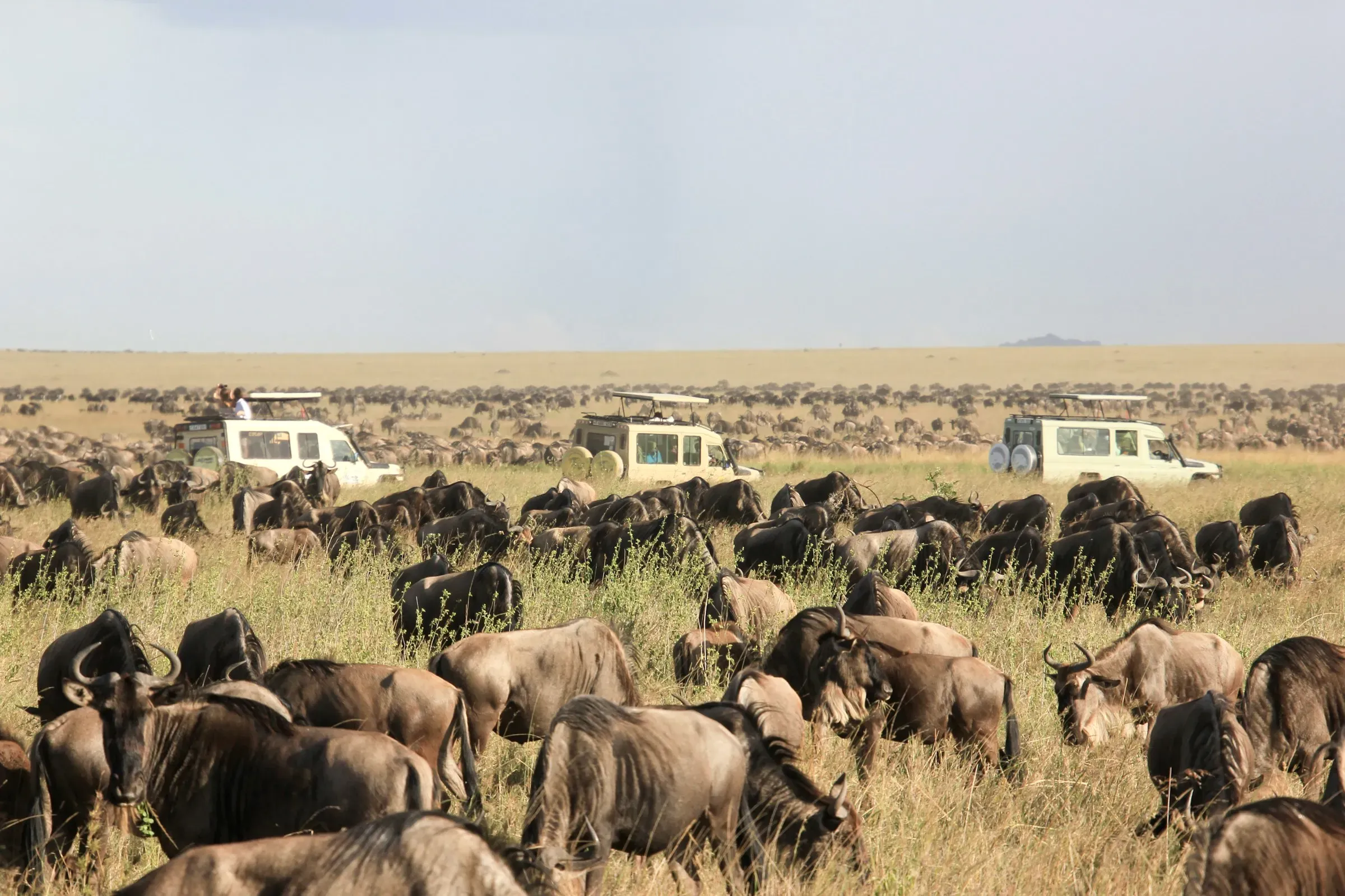
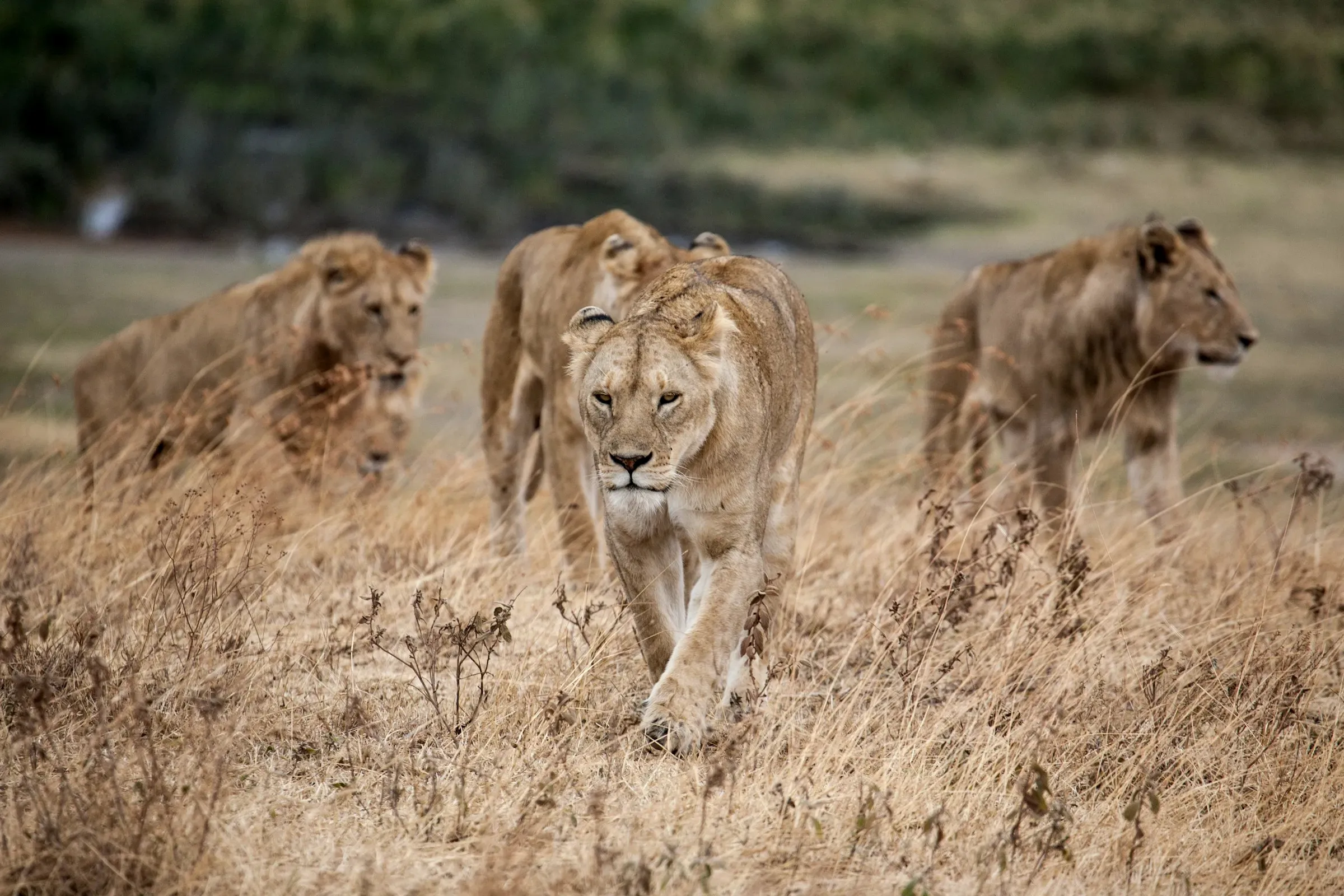
- June to October: Peak dry season, perfect for spotting wildlife gathering around water sources, clear skies, and the iconic wildebeest migration.
- December to February: Green landscapes, great weather, and the calving season in the Serengeti when baby animals are born.
Looking to avoid crowds and get great deals? The months in between are hidden gems too.
June to October: Dry Season (High Season)
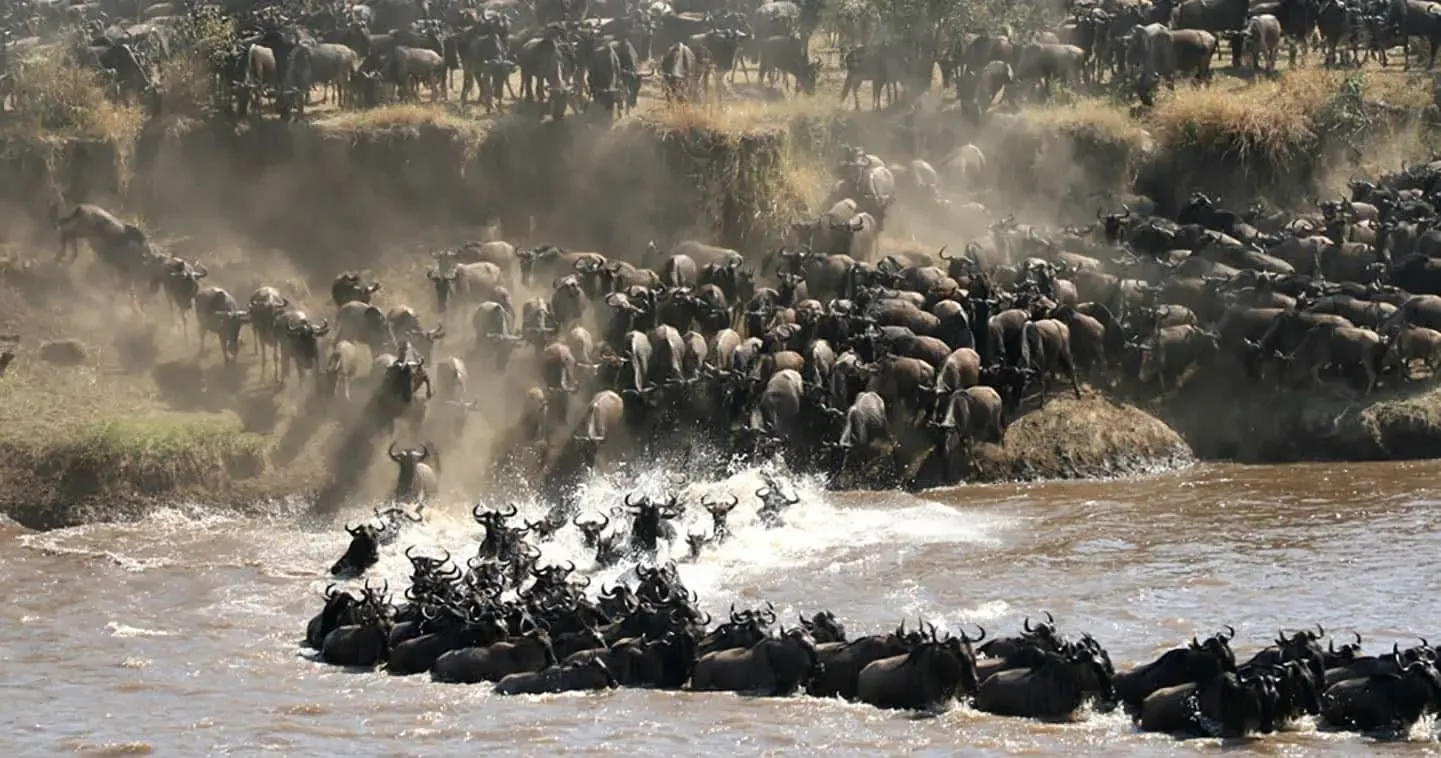
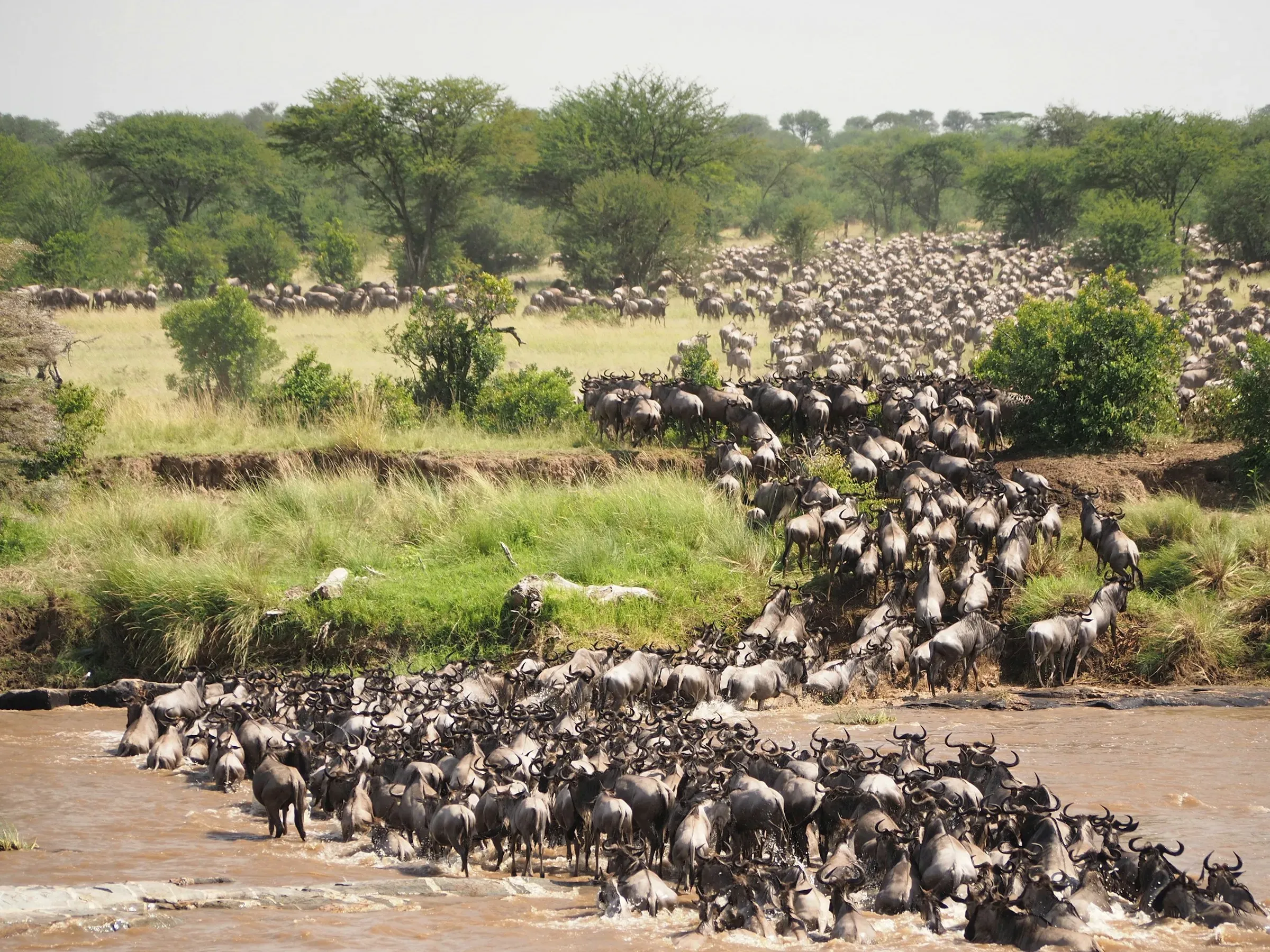
- Wildlife: Superb animal sightings, including the Great Migration and dramatic river crossings.
- Climate: Sunny skies, minimal rain, and pleasant temperatures (25 to 27°C).
- Best For: Safaris, photography, Kilimanjaro trekking.
- Pros:Wildlife gathers at water sourcesClear game drive conditionsMinimal mosquitoesIdeal for trekking
- Cons:Higher pricesMore tourists
December to February: Short Dry Season (High Season)
- Wildlife: Excellent game viewing and the wildebeest calving season in the southern Serengeti.
- Climate: Warm, with occasional brief rains.
- Best For: Calving season, safaris, Zanzibar beach holidays.
- Pros:Predator-prey interaction during calvingLush, green sceneryGreat beach weather
- Cons:Still high demand for accommodations
March: Start of Wet Season (Mid Season)
- Highlights: Lush scenery and few tourists.
- Best For: Birdwatching and quieter safaris.
- Pros:Lower pricesBeautiful, green landscapes
- Cons:Rain may disrupt travel plans
April to May: Long Rains (Low Season)
- Highlights: Lowest prices, least crowded, breathtaking greenery.
- Best For: Budget travel, scenery, birdwatching.
- Pros:Dramatic landscapesPeaceful, private safari experiences
- Cons:Muddy roadsSome camps and lodges close
November: Short Rains (Mid Season)
- Highlights: Start of the green season, vibrant flora, and good wildlife viewing in the north.
- Pros:Quieter parksStart of calving season
- Cons:Light afternoon rains possible
Wildlife & Activity Highlights by Season
Activity
Best Time to Visit
Northern Safari Circuit
June to October
Great Migration River Crossings
July to October
Calving Season
January to March
Kilimanjaro Climbing
Jan to Mar & Jun to Oct
Zanzibar Beach Holiday
June to Oct & Dec to Mar
Birdwatching
November to April
High Season: January, February, June to October, December
- Ideal for wildlife, trekking, and beach trips.
- Pros: Peak safari conditions
- Cons: High rates and busy parks
Mid Season: March, November to mid-December
- Balance of value and experience.
- Pros: Moderate prices, fewer crowds
- Cons: Weather can be variable
Low Season: April & May
- Best for solitude and savings.
- Pros: Lowest prices, vibrant landscapes
- Cons: Rain may limit access
December to March: Southern Serengeti/Ndutu
- Witness calving season and increased predator activity
July to October: Northern Serengeti
- Experience the world-famous Mara River crossings
Need help timing your trip around the migration? Ask about our Migration Tracker and customized itineraries.
Final Word: When Should You Go?
No matter when you decide to go, Tanzania never disappoints. Whether it’s your first time or your fifth, there’s always a new experience waiting.
Let your interests, budget, and spirit of adventure guide you. Whether you travel in the dry high season or the lush green season, Tanzania will welcome you with unforgettable moments.
Ready to plan your journey? Reach out to our travel experts for a tailor-made safari!