 01
1-hour chimp limit
Daily M-Group Chimp Treks
Hike anywhere from 30 minutes on flat lakeshore paths to 4 hours up steep tangled ridges depending on fruiting figs and Saba vines.
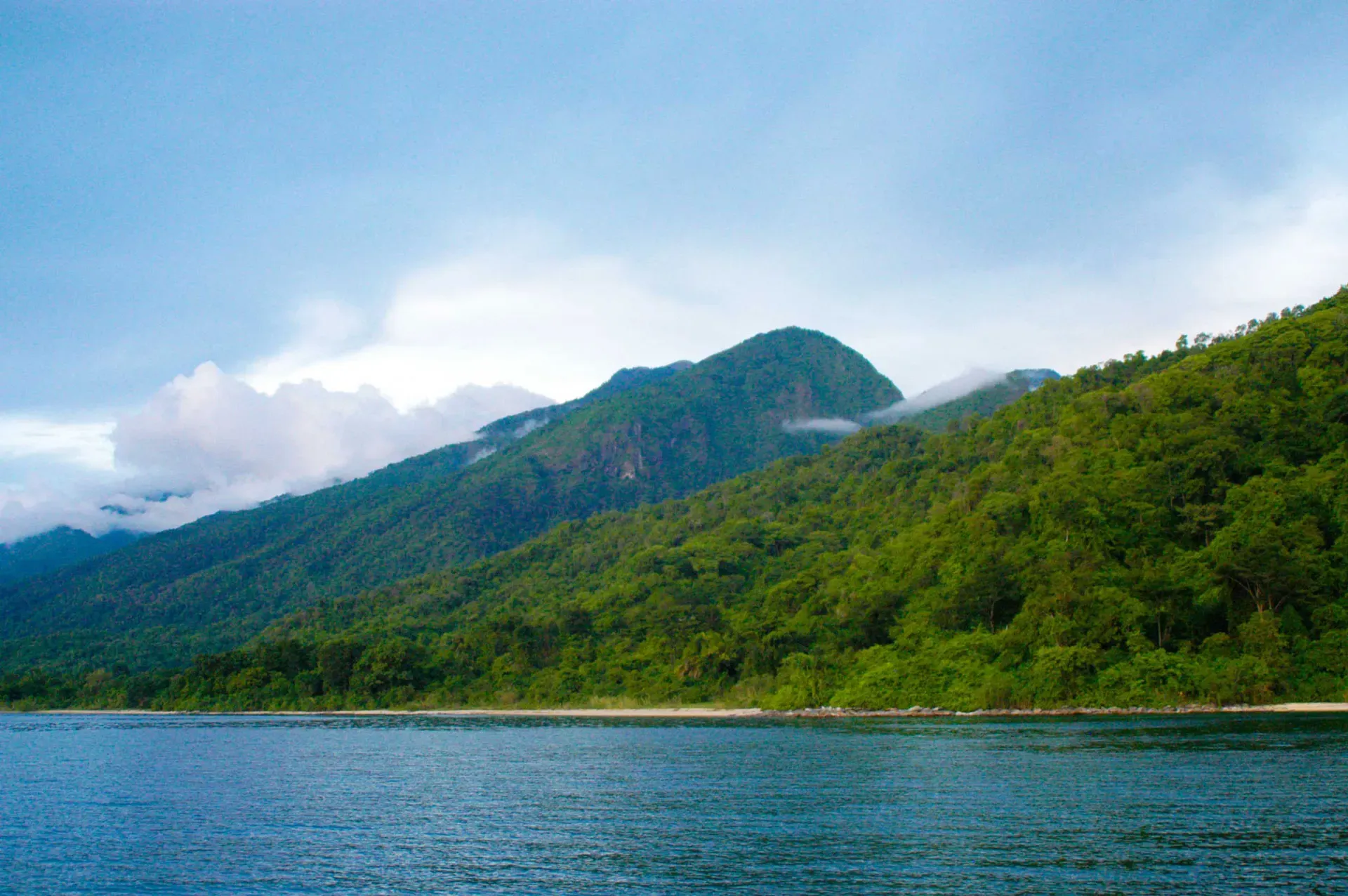
Forested 2,462-metre peaks plunging straight into gin-clear coves of Lake Tanganyika
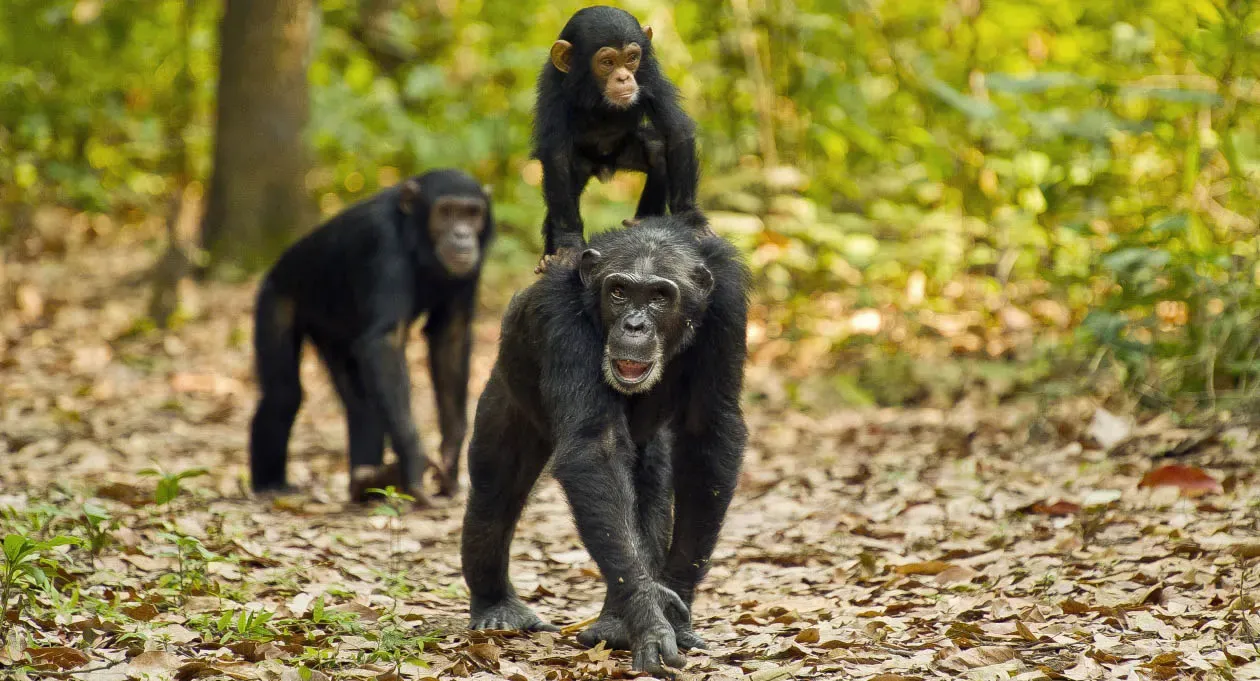
Few wildlife encounters on Earth rival sitting quietly on a rainforest trail just metres from a family of wild chimpanzees grooming, hooting, and clambering through vines — then walking back down to swim and dhow-sail on the sandy shores of Lake Tanganyika.
Mahale Mountains National Park spans 1,613 km² of roadless rainforest, bamboo ridges, and white-sand coves on a dramatic peninsula jutting into eastern Lake Tanganyika — the world’s longest and second-deepest freshwater lake. Gazetted in 1985, it shelters roughly 800 wild eastern chimpanzees, including the habituated 60-strong Mimikire (“M-group”) studied continuously by Kyoto University researchers since 1965.
Towering 2,462 m Mount Nkungwe is sacred to the local Tongwe people, and not a single motorised road exists anywhere inside Mahale — every path was first worn by chimpanzees, bushpigs, and forest elephants.
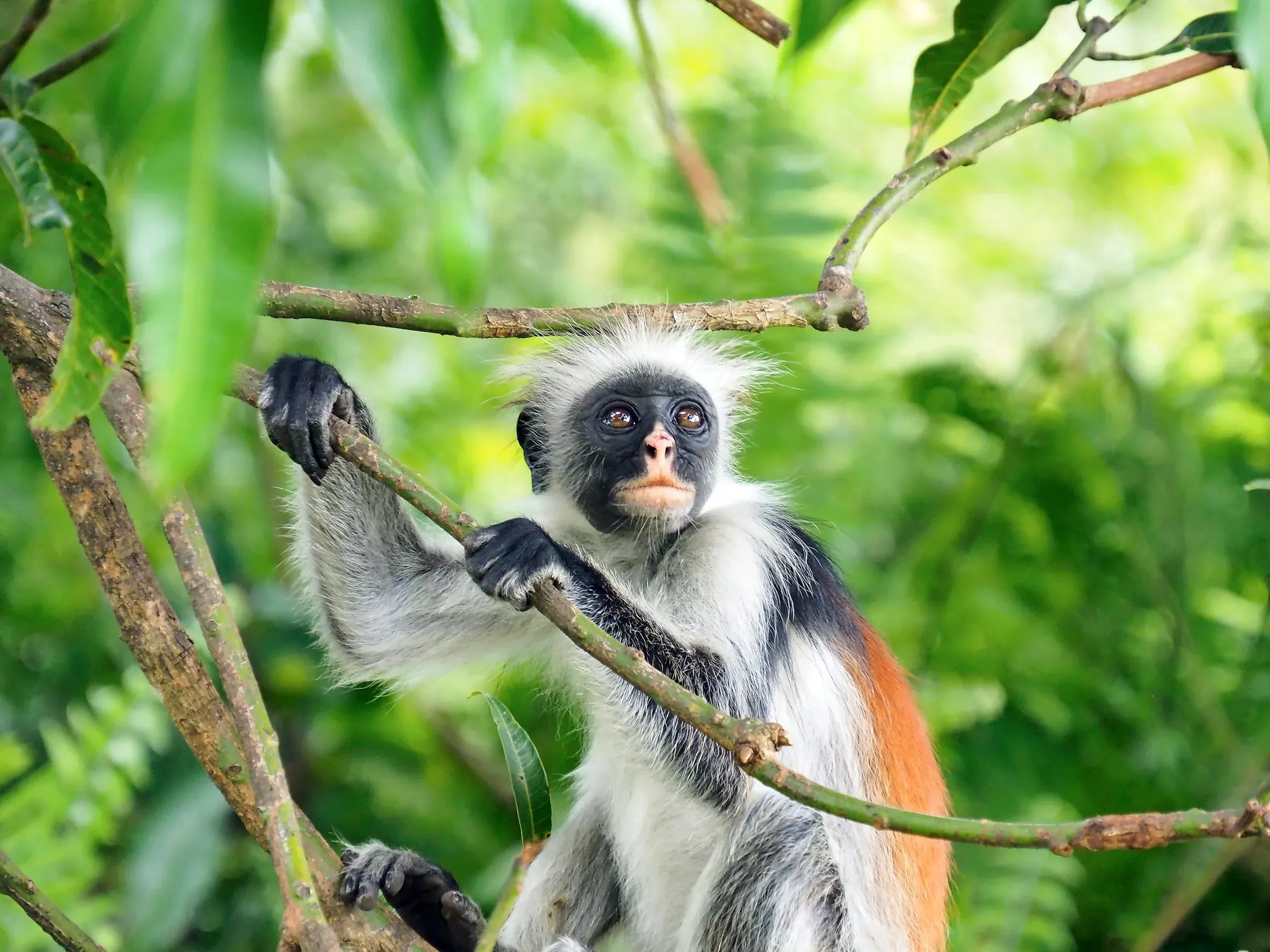
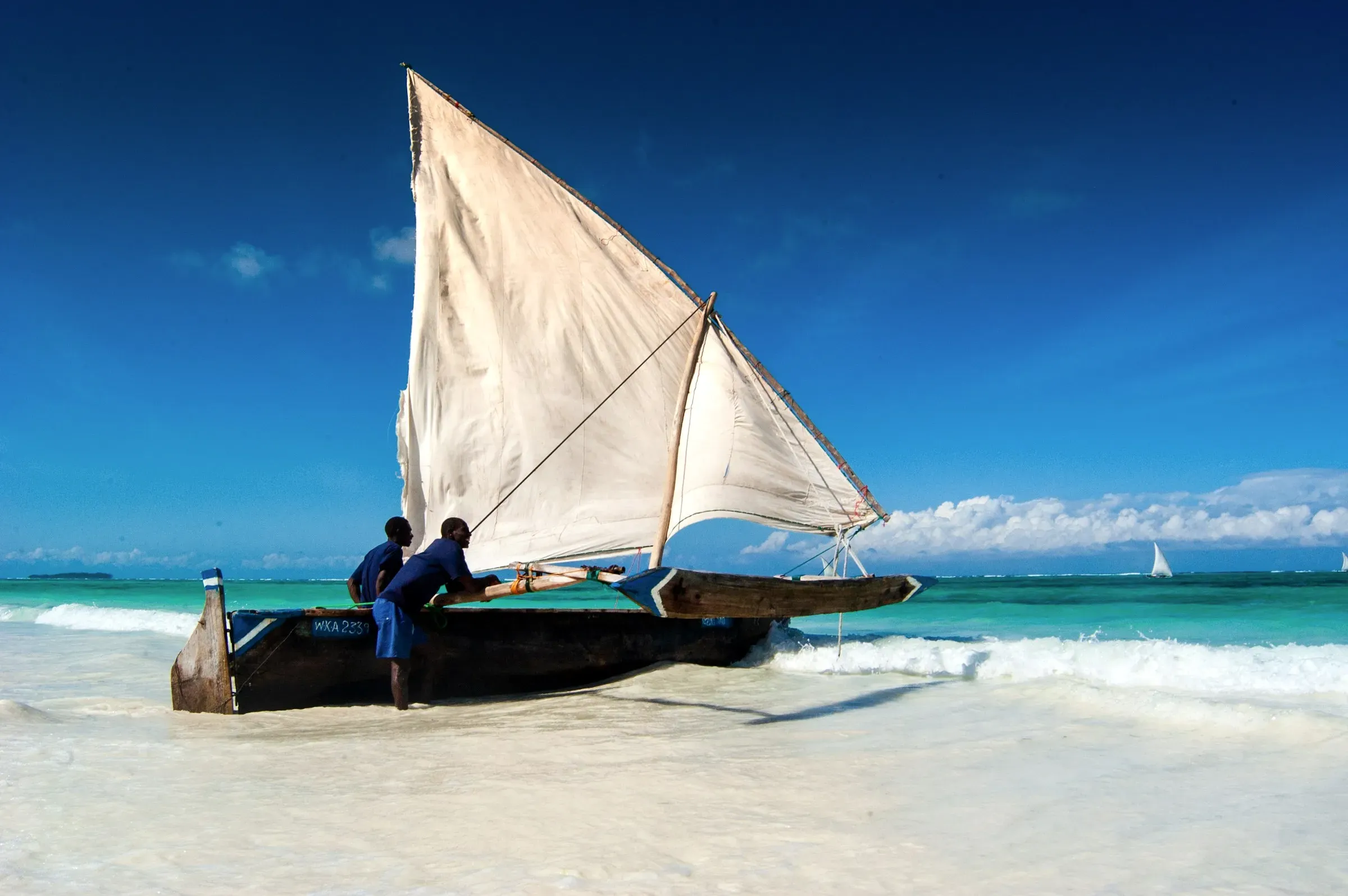
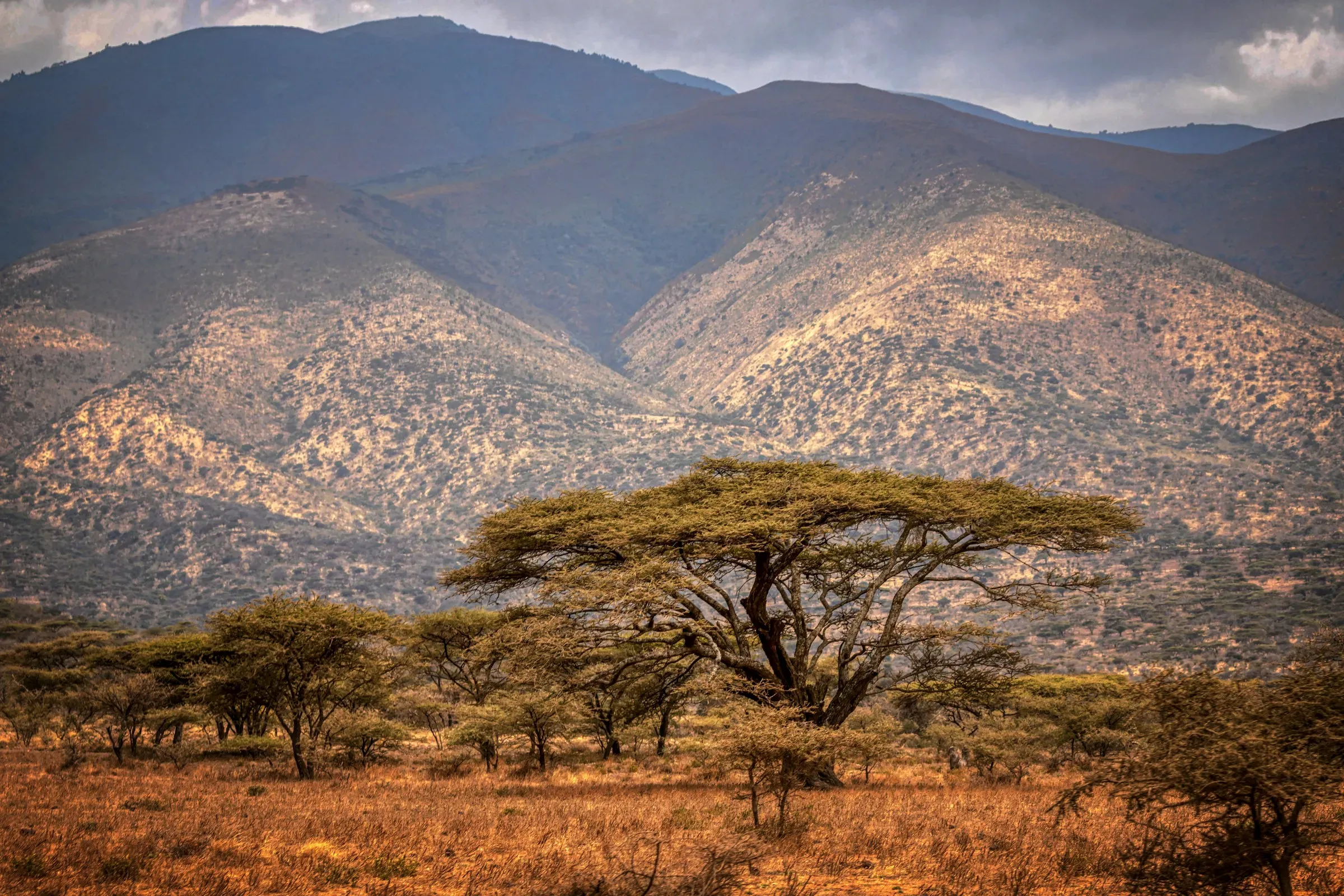
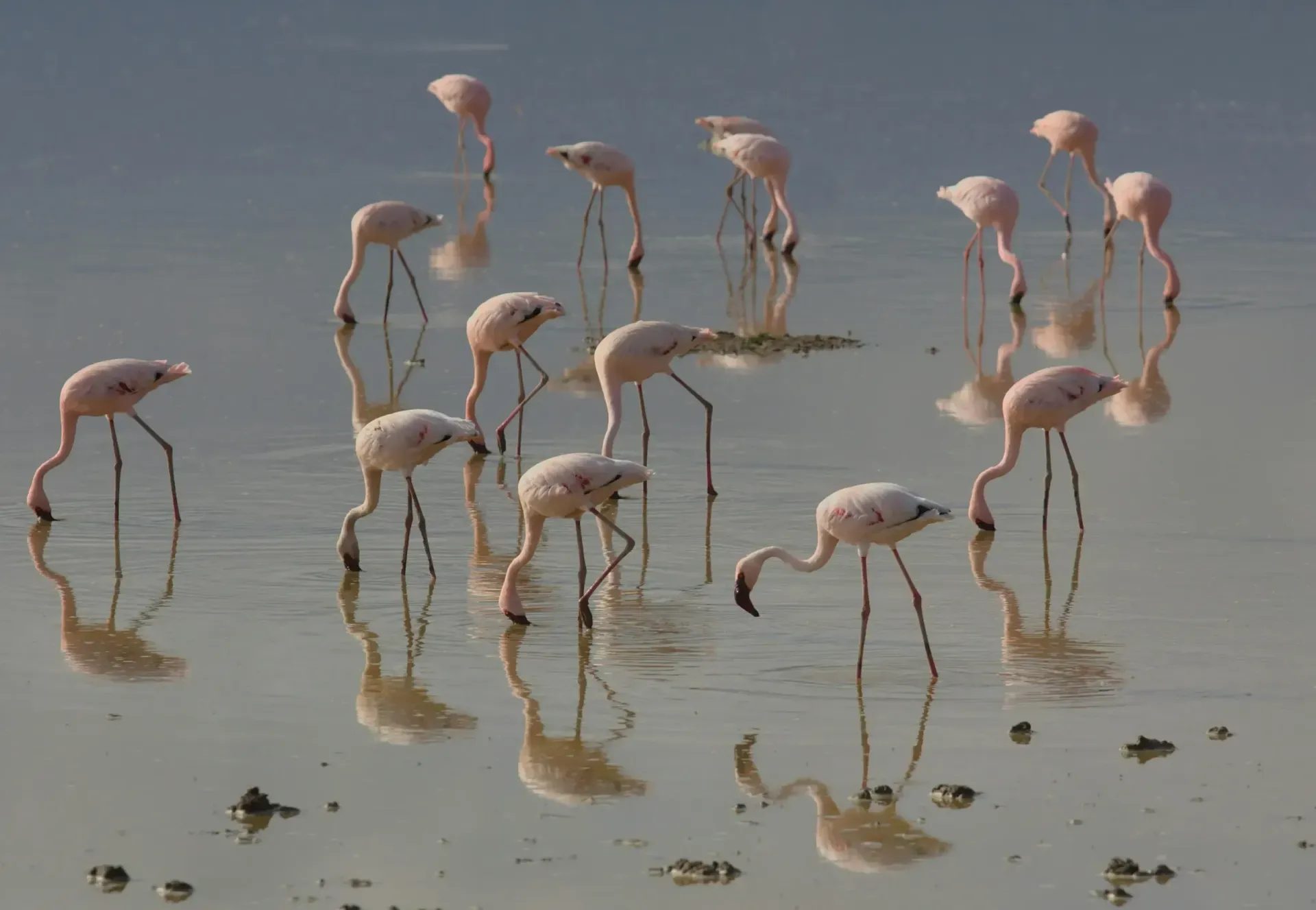
Each dawn, advance trackers locate where M-group nested the previous night and radio your guide. Once your small group reaches the chimpanzees, TANAPA conservation rules allow one magical hour observing them at a safe distance (wearing a surgical mask to protect chimps from human respiratory viruses).
| Factor | Mahale Mountains NP | Gombe Stream NP |
|---|---|---|
| Scale & backdrop | 1,613 km² of soaring 2,462 m forested peaks and wide white-sand bays. | 56 km² of intimate steep stream valleys 16 km north of Kigoma. |
| Chimpanzee population | ~800 chimpanzees across the park; ~60 in habituated Mimikire (M) group. | ~90–100 chimpanzees; historic Kasekela group studied by Dr. Jane Goodall since 1960. |
| Accommodation style | Iconic barefoot-luxury lakeside lodges & TANAPA bandas. | Simple, comfortable lakeside rest houses and tented camp. |
| Access & pairing | Scheduled safari flights (Mon/Thu) pairing seamlessly with Katavi or Serengeti. | Commercial flight to Kigoma Airport + 45–60 min boat — easier for shorter budgets. |
Mahale feels like rainforest expedition and tropical island retreat rolled into one.
01Hike anywhere from 30 minutes on flat lakeshore paths to 4 hours up steep tangled ridges depending on fruiting figs and Saba vines.
02Swim and snorkel in warm freshwater coves among hundreds of endemic rainbow cichlids, then sip sundowners aboard a traditional wooden dhow.
03Spot red colobus, red-tailed monkeys, blue monkeys, yellow baboons, vervets, giant forest squirrels, and clouds of swallowtail butterflies.
Western Congo-basin forest species meet East African woodland species in Mahale — including Ross’s turaco, crowned eagles, giant kingfishers, and elusive forest leopards.
Census data reference: Encyclopaedia Britannica & Mahale Wildlife Conservation Society ↗
Lower Kasoje forest valleys when Saba florida fruit ripens from August to October.
Right around camp clearings and lower forest trails.
Rocky shallows right off the beach — visible even from a kayak.
Quiet forest floor paths early in the morning.
Heard calling at night more often than seen; pair with Katavi for open-plain big cats →
Sighting ratings reflect our Arusha guides’ field experience across seasons, not a guarantee — wild animals move freely.
TANAPA sets a strict minimum trekking age of 12 years (some camps require 12–15), limits group sizes to 6 guests at a time, and requires surgical masks near chimps because chimpanzees share ~98.7% of human DNA and can catch human colds.
Fruiting cycles dictate how steep your hike will be: late dry season brings M-group right down toward the lakeshore.
Dry forest paths and ripening lowland fruit draw M-group onto lower slopes, making treks easier and sightings longest.
Spectacular storm light over Congo across the lake, clearer air, and blooming forest — though chimps climb higher and trails can be muddy.
Most lakeside lodges close during the peak downpours.
Scheduled safari flights operate twice weekly (Mondays and Thursdays, June–November) from Arusha, Serengeti, Ruaha, and Katavi to Mahale Airstrip at the northern edge of the park (~3.5–4.5 hours from Arusha, or just 40 minutes from Katavi).
From the airstrip, camp crews welcome you onto a traditional wooden dhow or motorboat for a scenic 60-to-90-minute cruise south along forested mountainsides to your beach camp. Alternatively, fly commercially to Kigoma and charter a 4–5 hour speedboat south.
Mahale Mountains is an off-the-beaten-track wilderness arranged around bush flights, ranger permits, and your exact travel dates. Tell us when you want to travel and Deus and our Arusha team will build a private route for you within 24 hours.
Because M-group chimpanzees are completely wild and roam vast mountain slopes, sightings can never be 100% guaranteed on any single morning — which is why staying 3 or 4 nights (giving 2 to 3 separate treks) raises overall success rates well above 90% in the July–October dry season.
Moderate to good hiking fitness is important. Some mornings chimps feed 30 minutes from the beach; other mornings you climb steep, humid, root-laced forest trails for 2 to 4 hours.
Along clean, deep sandy lodge beaches away from river mouths, guests swim and snorkel in clear freshwater; camp guides always brief you on designated safe swimming coves away from any crocodiles or hippos.
TANAPA enforces a minimum age of 12 years old for chimpanzee tracking permits.
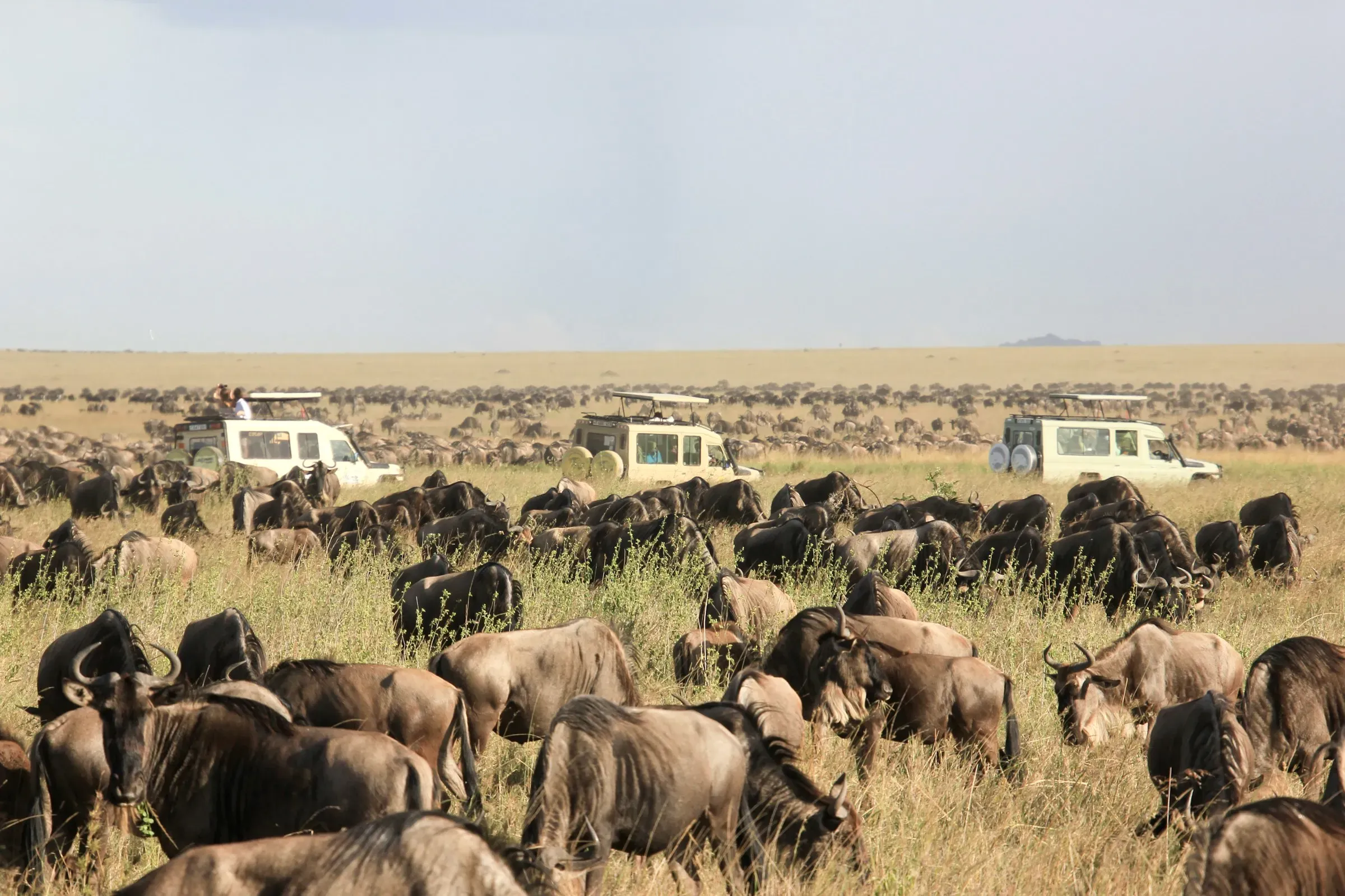
Yes! Twice-weekly bush flights link Serengeti and Arusha with Mahale, letting you combine Great Migration river crossings in northern Serengeti directly with Lake Tanganyika chimpanzee trekking.
Road distances, seasonal windows, and sighting notes come from our own Arusha guides on the ground. Last reviewed November 2026.