 01
Golden hour
Wami River Boat Safari
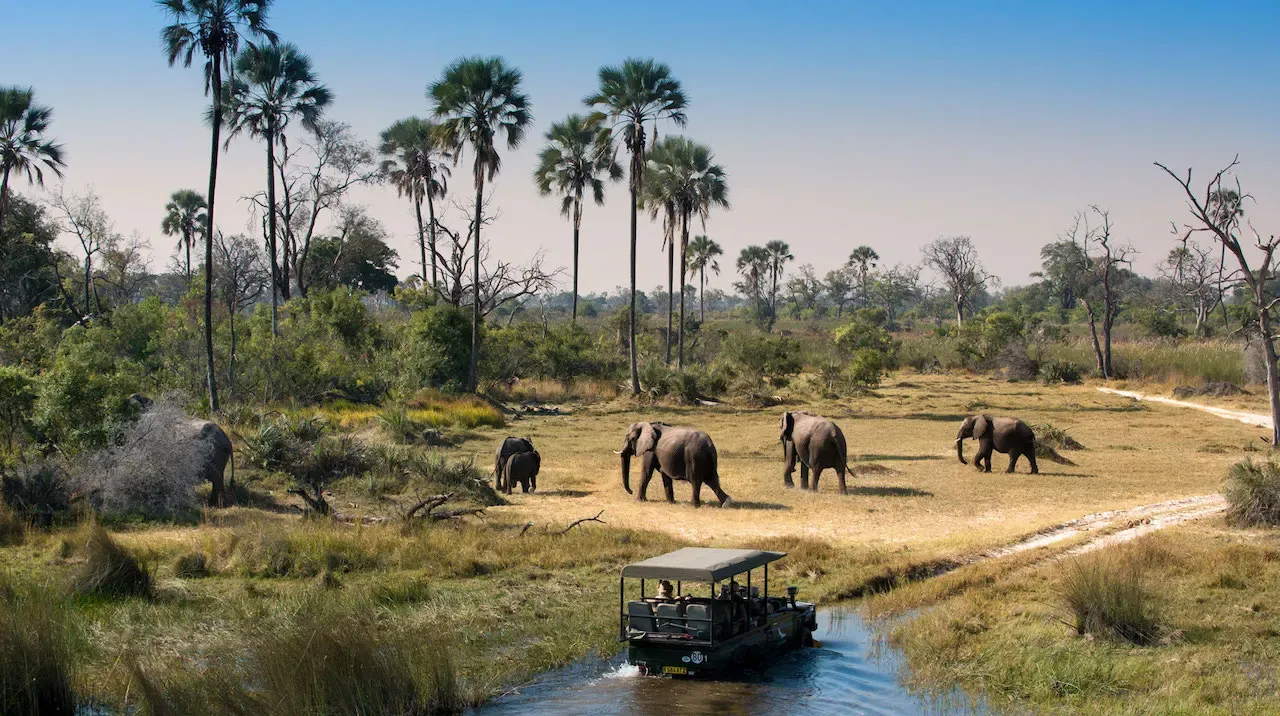
Motor upstream from the Indian Ocean river mouth through towering raffia palms and mangroves past hippos, crocs, and fish eagles.
East Africa’s only wildlife sanctuary where elephants and waterbuck stroll onto an Indian Ocean beach
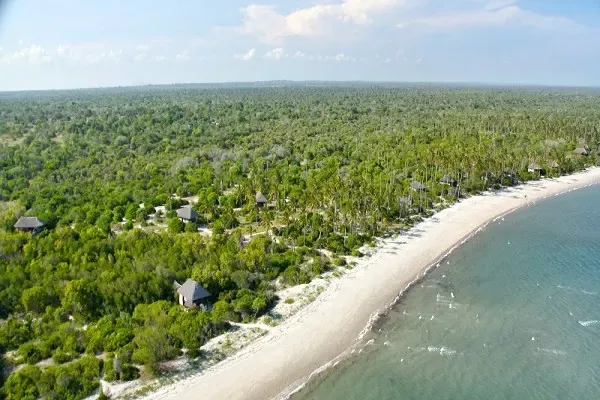
Nowhere else in Tanzania or East Africa does a national park shoreline touch the warm Indian Ocean — letting you track giraffes and buffalo at sunrise, swim on a palm-lined beach at noon, and cruise mangrove-lined Wami River channels past hippos at sunset.
Saadani National Park spans 1,100 km² along Tanzania’s Swahili coast directly across the Zanzibar Channel, north of historic Bagamoyo and south of Pangani. Upgraded from a 1960s game reserve to Tanzania’s 13th National Park in 2005, it combines coastal acacia savanna, ancient Zaraninge rainforest, the tidal Wami River estuary, and Madete Beach — Tanzania’s most important mainland green sea turtle nesting ground.
In the 19th century, Saadani village was a bustling Swahili caravan port alongside Bagamoyo and Pangani; ruined coral-rag walls and old German graves still stand quietly near the palms.
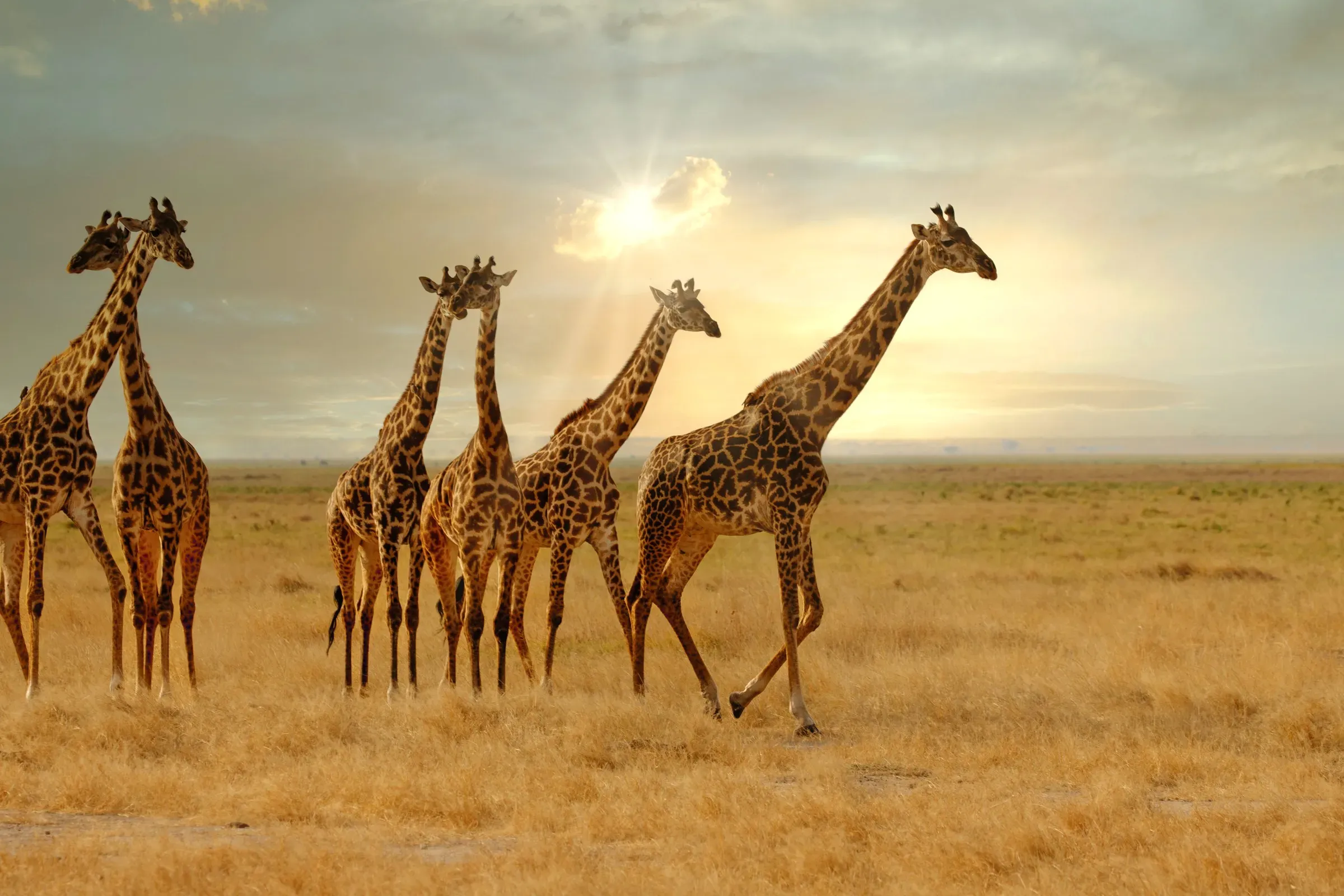
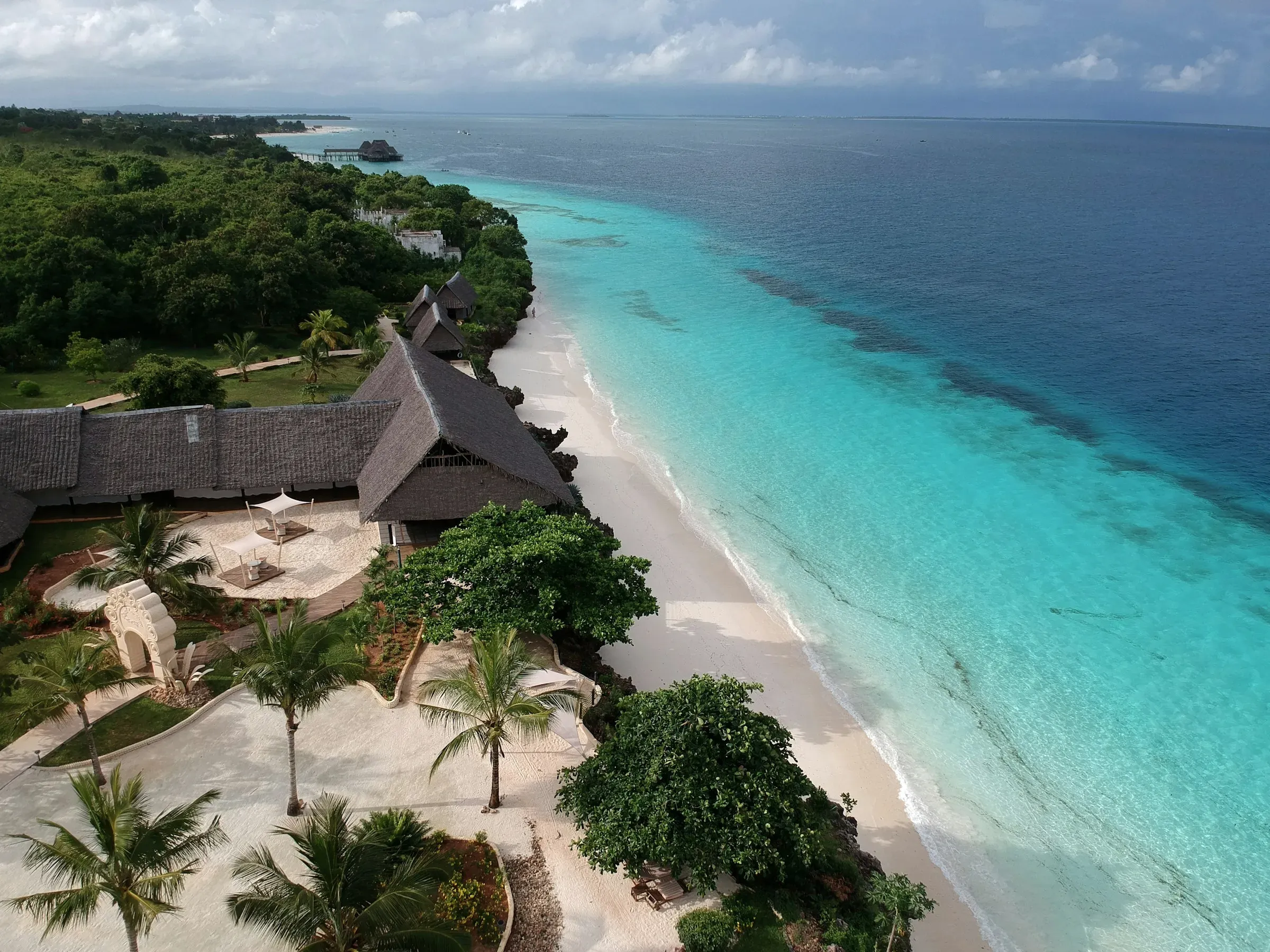
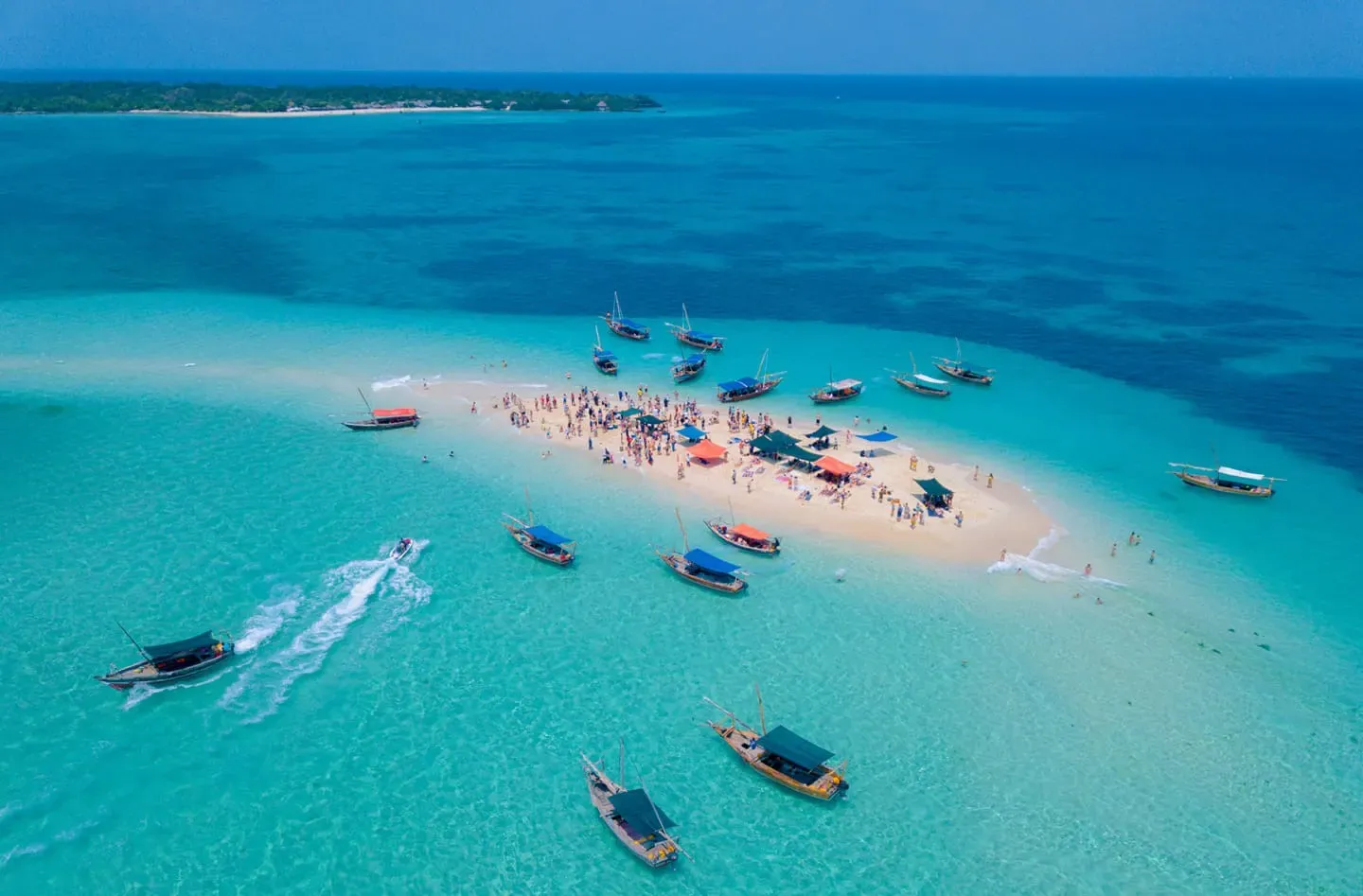
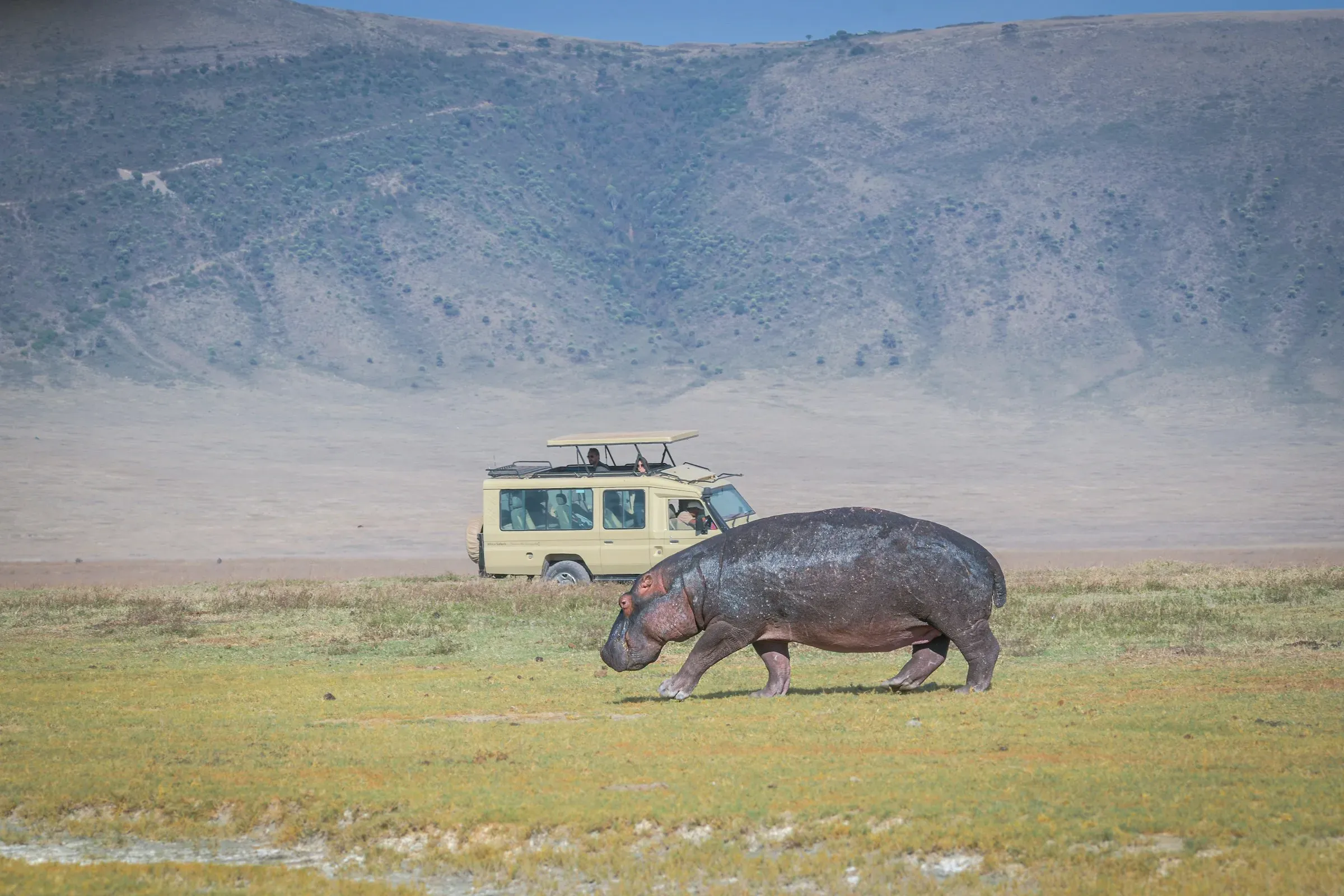
Saadani is about contrast and tranquillity rather than Serengeti herd numbers: in a single day you move from thorny savanna to tidal mangroves to coral-sand surf without ever leaving park gates.
| Habitat | Signature activity | What to watch for |
|---|---|---|
| Coastal Savanna & Salt Pans | Early-morning 4×4 game drives and ranger walks across palm-dotted plains. | Masai giraffes right behind the dunes, waterbuck, Lichtenstein’s hartebeest, buffalo, reedbuck, and shy elephants or lions. |
| Wami River Estuary | Afternoon boat safari up tidal mangrove channels. | Pods of snorting hippos, large Nile crocodiles, malachite and pied kingfishers, flamingos on salt flats, and black-and-white colobus in riverbank trees. |
| Madete Beach & Mafui Sandbank | Beach walks, ocean swims, and boat picnics on an offshore turquoise sandbar. | Protected green sea turtle (Chelonia mydas) nests, ghost crabs, terns, and humpback whales or dolphins offshore (Jul–Oct). |
Pairing beachfront relaxation with river and forest outings gives couples and families an unhurried coastal escape.
01Motor upstream from the Indian Ocean river mouth through towering raffia palms and mangroves past hippos, crocs, and fish eagles.
02Saadani’s protected Madete beach is mainland Tanzania’s key green turtle breeding zone — hatchlings dash to the surf mainly between July and October.
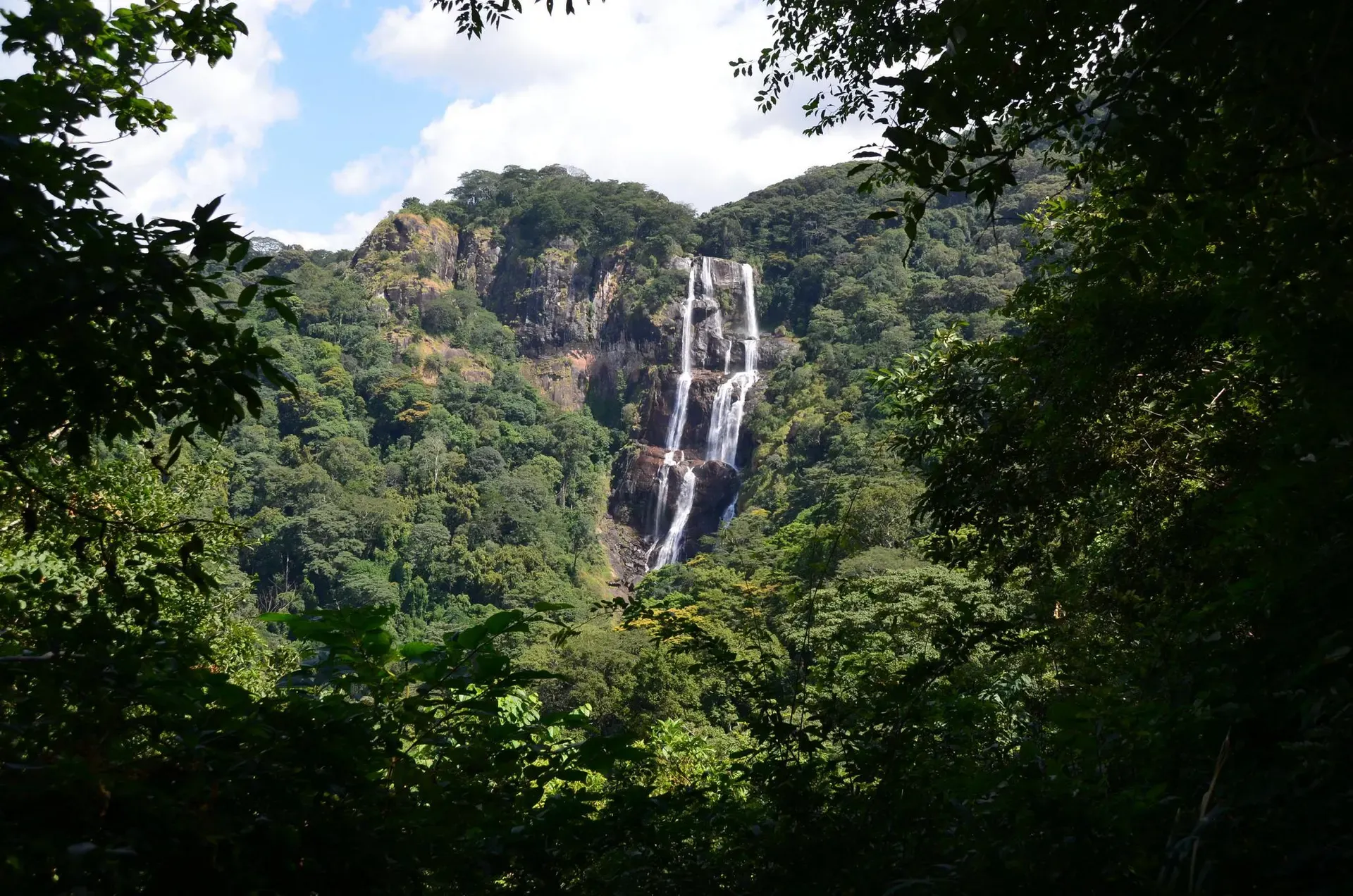
03Walk ancient coastal canopy above the park for red duiker and colobus monkeys, and stop at historic Bagamoyo stone ruins en route from Dar es Salaam.
Four of the Big Five (lion, leopard, elephant, buffalo — no rhino) inhabit Saadani, though dense coastal thicket makes big cats much shyer than in the Serengeti. Come for giraffes against ocean horizons, prolific Wami River life, and crowd-free beaches.
Census data reference: Tanzania National Parks (TANAPA) — Saadani National Park ↗
Open grasslands, salt pans, and right behind coastal palms.
Lower tidal reaches of the Wami River.
Mkwaja plains in the north and Wami/Zaraninge forest trees.
Inland woodlands and waterholes during dry months.
Tracks on sandy roads at dawn; pair with Serengeti or Nyerere for big cats →
Sighting ratings reflect our Arusha guides’ field experience across seasons, not a guarantee — wild animals move freely.
Coastal Tanzania enjoys two dry windows — cool June–October and hot, breezy January–February — while heavy April–May rains flood black-cotton roads and close river crossings.
Pleasant coastal breezes (~27–29 °C), dry tracks, clear game viewing, and peak green turtle hatching at Madete.
Sunny turquoise seas for sandbank snorkelling plus hundreds of migratory shorebirds and waders.
Unpaved coastal clay tracks flood and Wami bridge approaches can become impassable; lodges close.
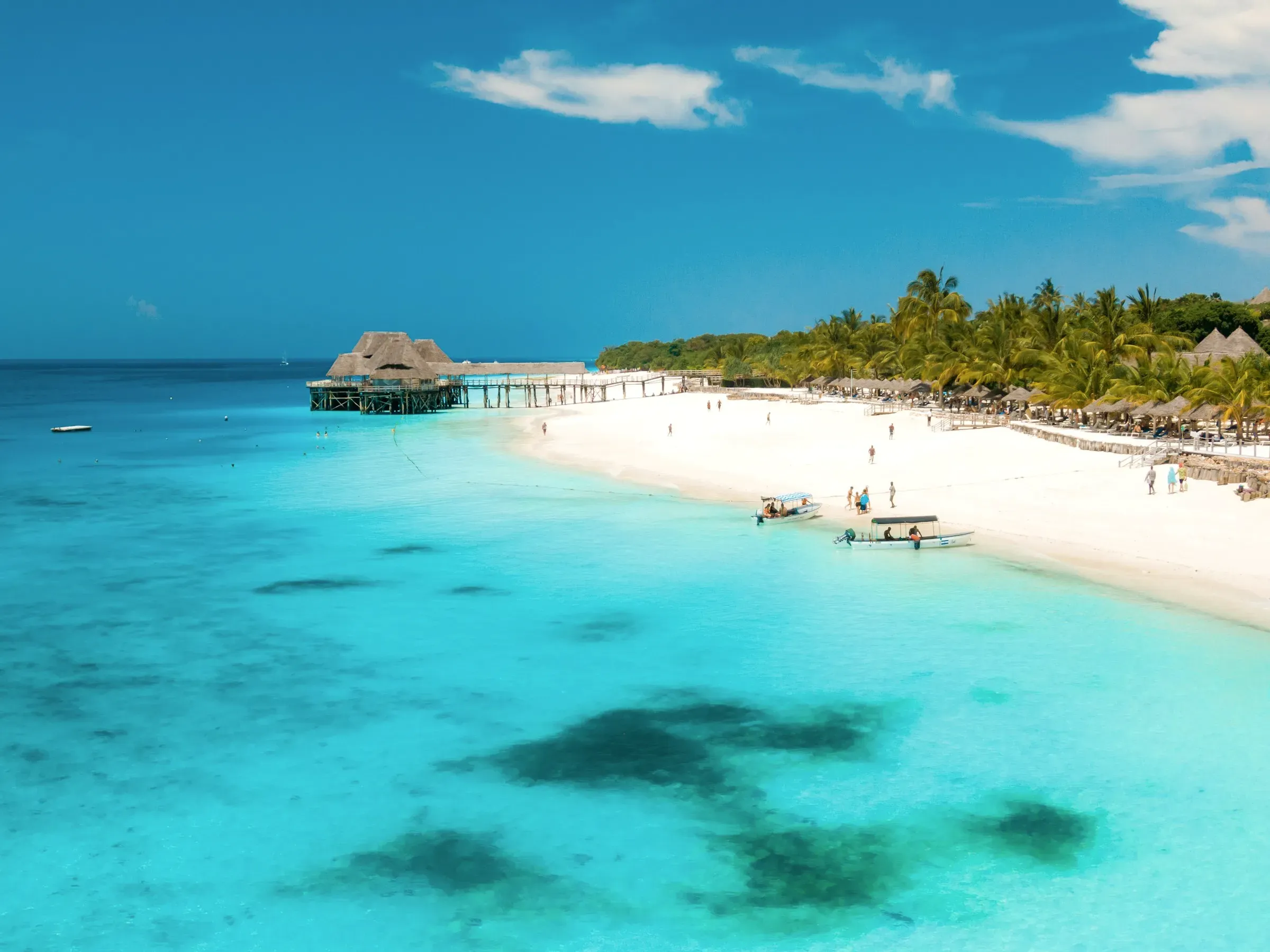
By air, Saadani is remarkably close: scheduled/charter light aircraft hop across the channel from Zanzibar in 15 to 20 minutes, from Dar es Salaam in 35 minutes, or down from Arusha/Tanga directly onto Saadani or Mkwaja airstrips right beside the beach.
By 4×4 road from Dar es Salaam, drive roughly 4 hours (~135–200 km depending on route via historic Bagamoyo/Makurunge or Chalinze–Mandera). From the north, Pangani and Tanga connect into northern Mkwaja Gate.
Saadani is an off-the-beaten-track wilderness arranged around bush flights, ranger permits, and your exact travel dates. Tell us when you want to travel and Deus and our Arusha team will build a private route for you within 24 hours.
Waterbuck, reedbuck, warthogs, baboons, and giraffes regularly feed right up to the coastal palm fringe, and rangers frequently find elephant, civet, and lion tracks pressed into the morning sand — though animals mostly visit the open beach itself at dawn, dusk, or night.
Think of Saadani as a tranquil bush-and-beach sanctuary rather than a replacement for the Serengeti’s massive predator and migration herds. It shines as a 2–3 night coastal retreat or for travellers based in Dar es Salaam or Zanzibar wanting gentle wildlife, river boats, and zero crowds.
Just 15 to 20 minutes straight across the Zanzibar Channel onto Saadani’s coastal airstrip!
Green turtles nest along Madete Beach year-round, with the highest number of nests and hatchling emergences typically recorded between July and October.
Yes — the sandy beaches away from the Wami River estuary have warm year-round Indian Ocean water (25–29 °C) and gentle waves ideal for swimming.
Road distances, seasonal windows, and sighting notes come from our own Arusha guides on the ground. Last reviewed November 2026.