 01
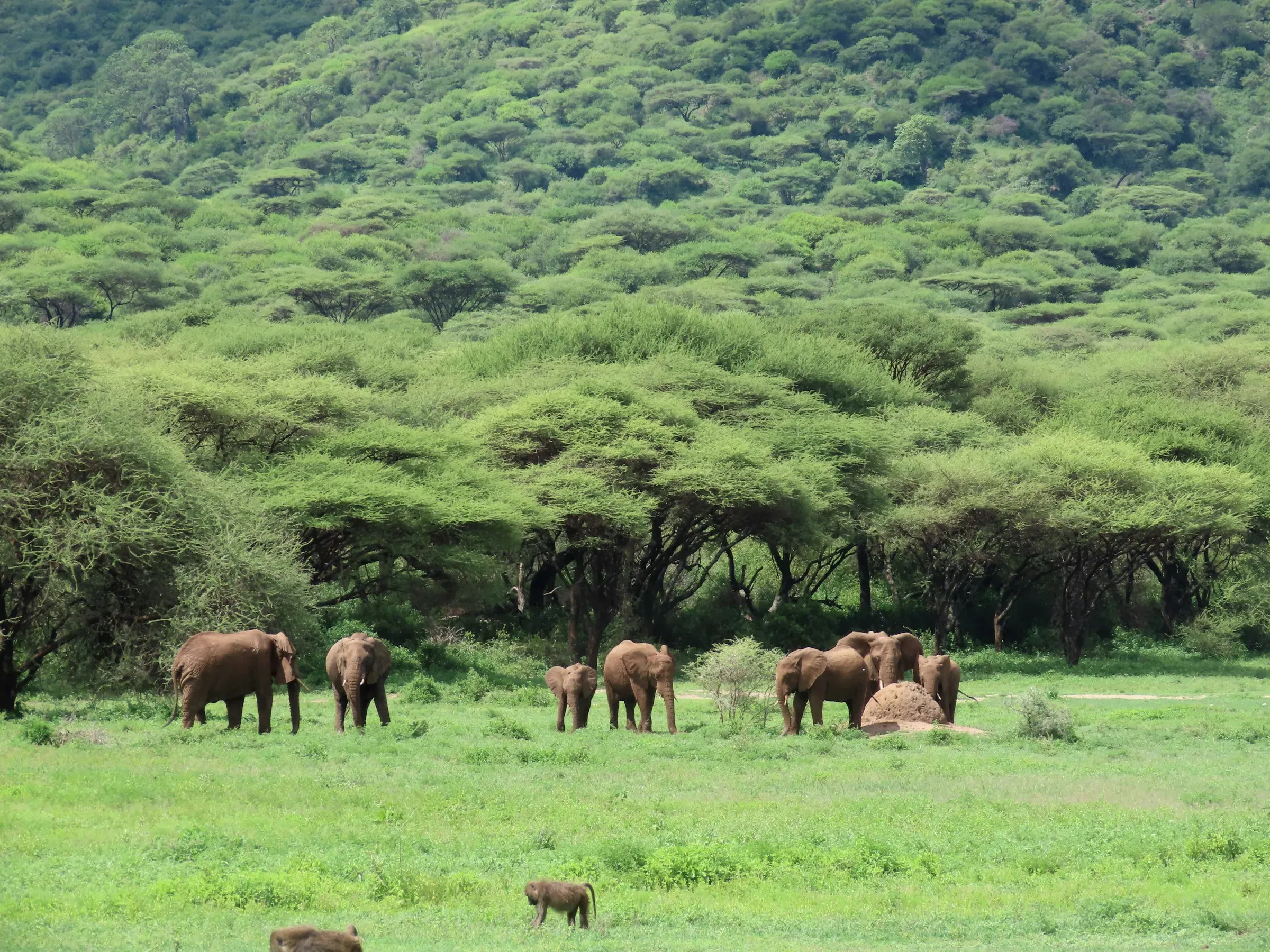
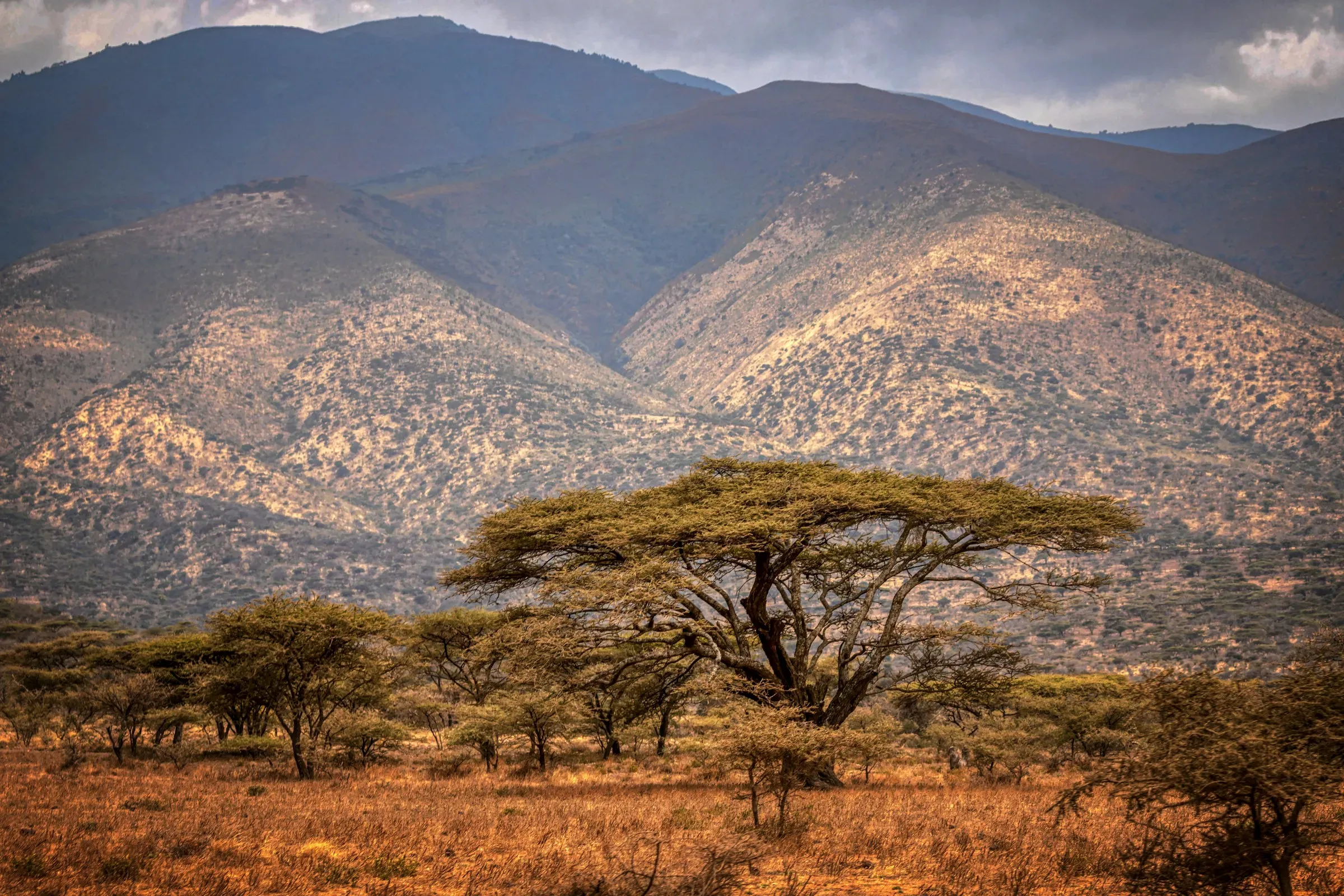
En route to Serengeti
Olduvai Gorge & Museum
Known as the Cradle of Mankind, this 48 km canyon yielded 1.75–2 million-year-old hominin fossils discovered by Louis and Mary Leakey, near the 3.6-million-year-old Laetoli footprints.
The world’s largest unbroken volcanic caldera and Tanzania’s premier Big Five bowl
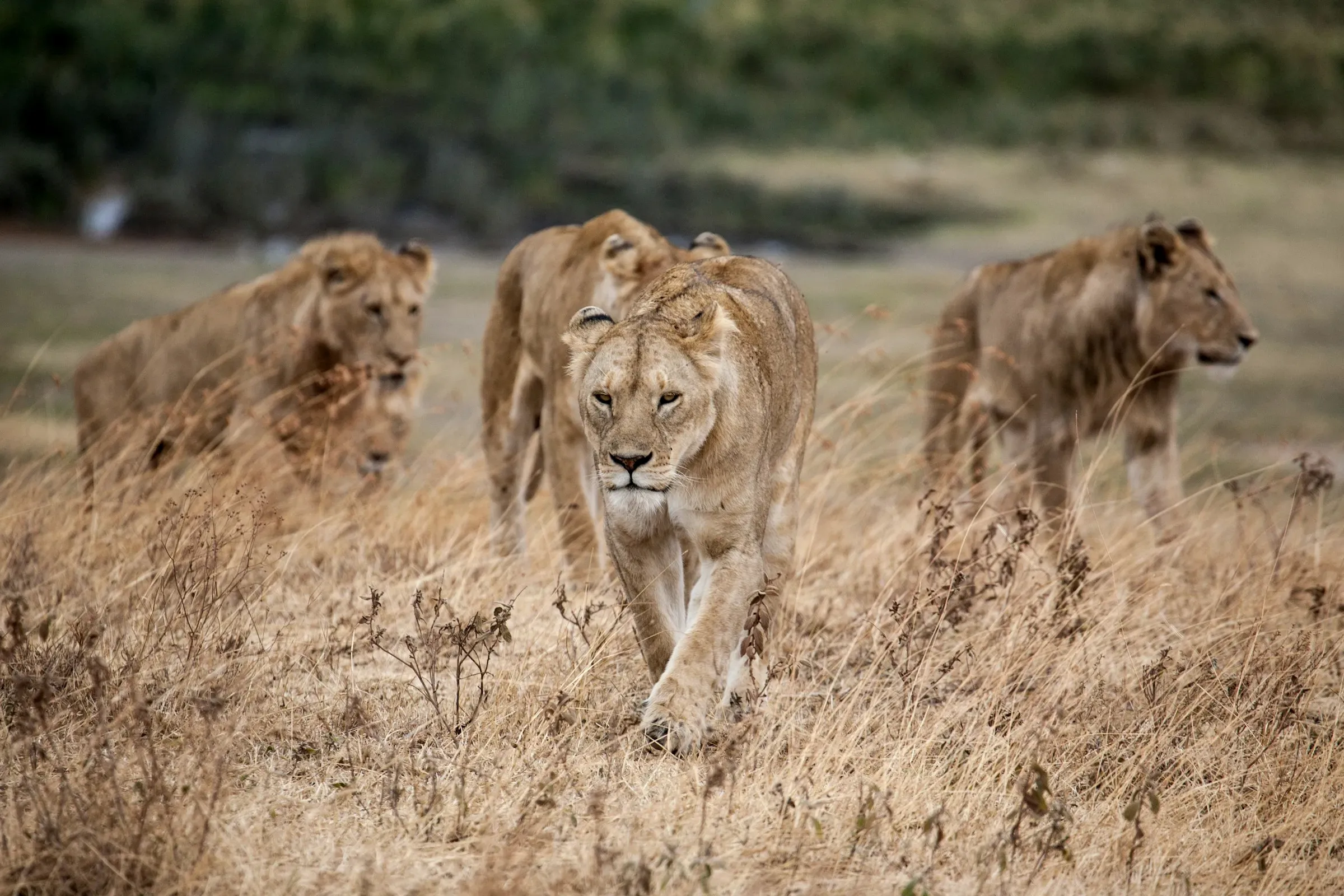
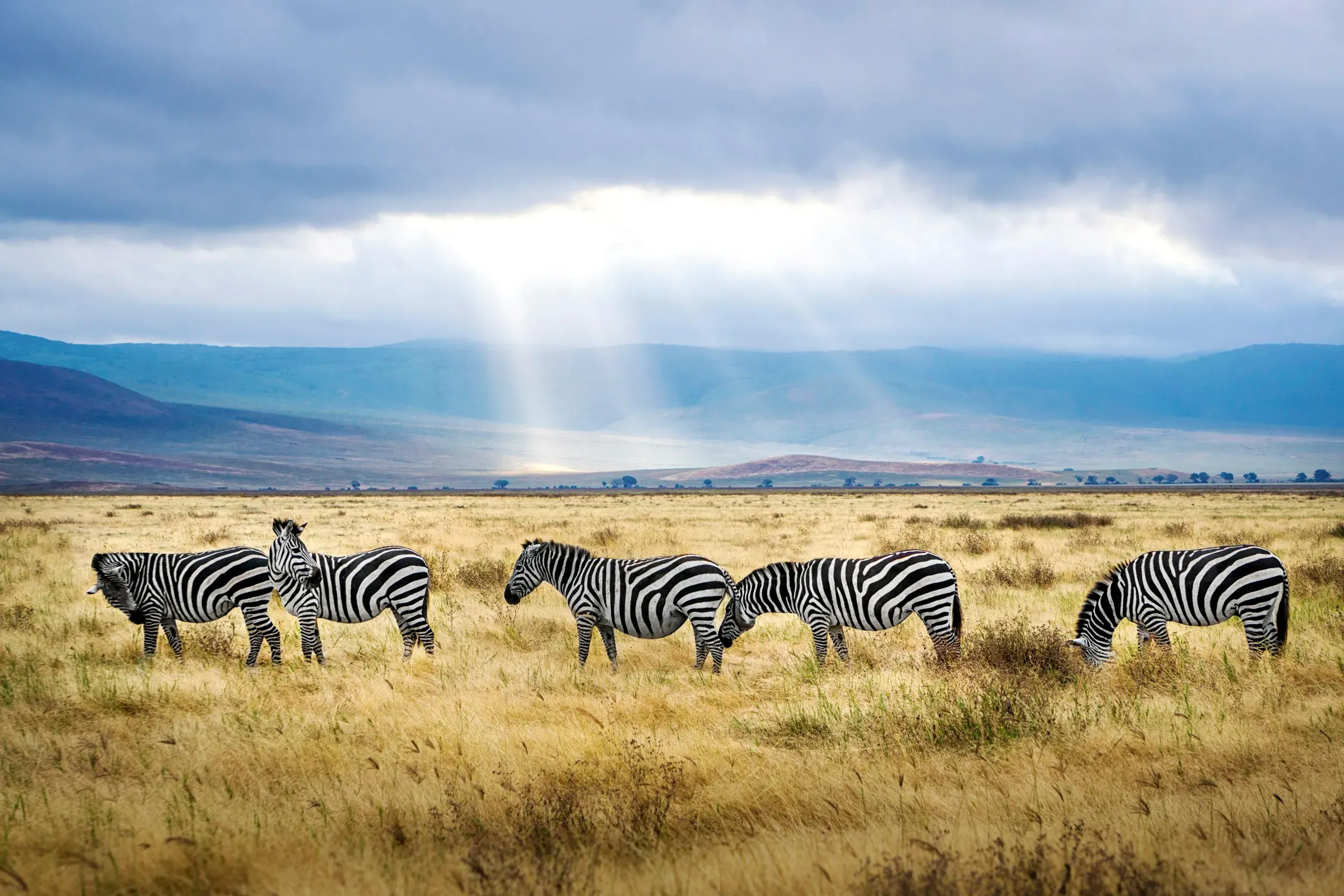
Nowhere else in East Africa packs roughly 25,000 large mammals — including Tanzania’s most approachable eastern black rhinos, dense lion prides, and big-tusked bull elephants — onto a single 260 km² caldera floor.
Formed about 2.5 million years ago when a giant volcano collapsed inward, the Ngorongoro Crater is a 610-metre-deep, 19-kilometre-wide caldera inside the 8,292 km² UNESCO-listed Ngorongoro Conservation Area. Because permanent springs and rich pastures trap resident wildlife year-round, a single morning game drive routinely delivers four or all five of the Big Five.
Maasai pastoralists named the caldera El-Nkoronkoro — an echo of the cowbell worn by the lead bull of a cattle herd — and still graze livestock across the wider highlands alongside wild plains game.
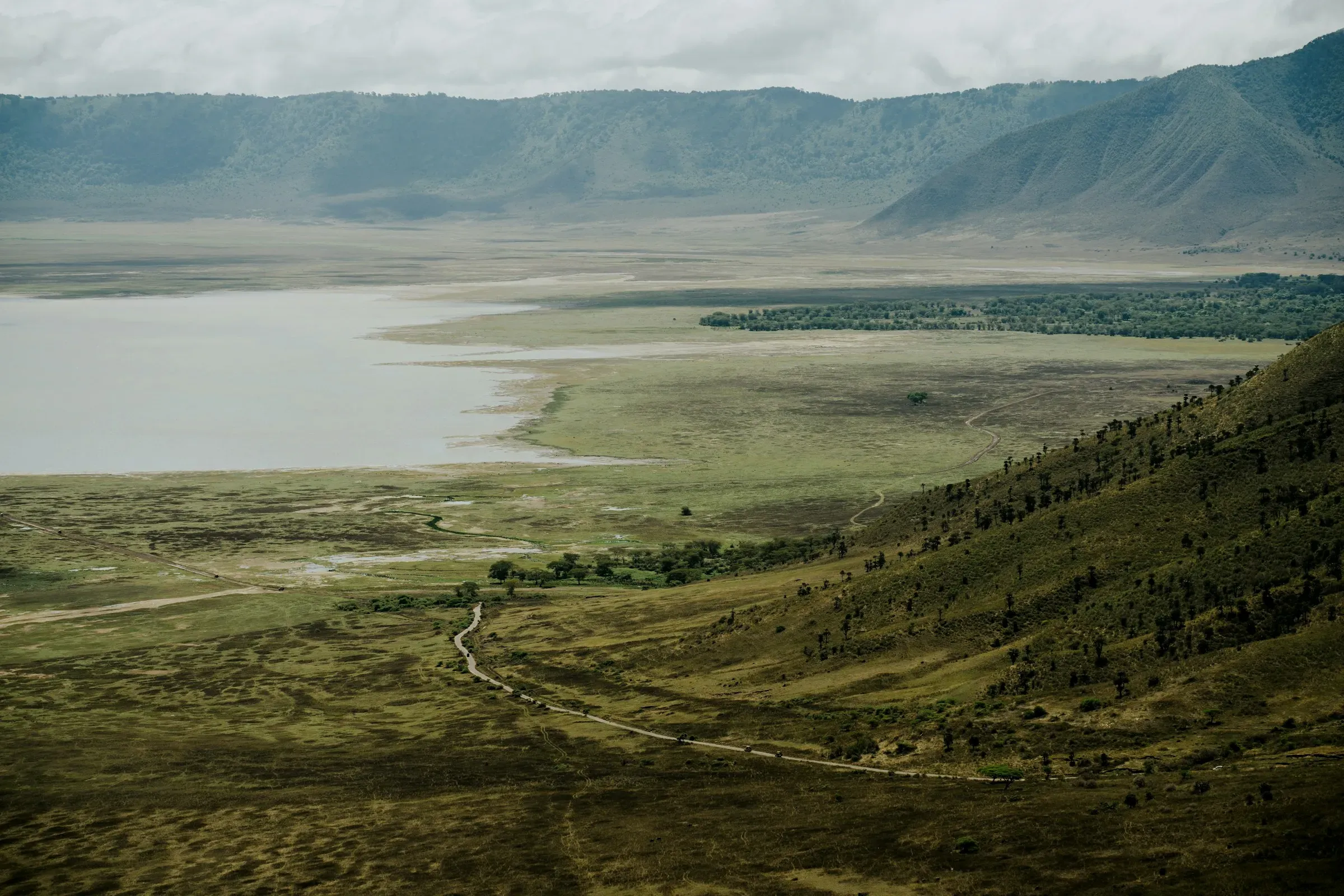
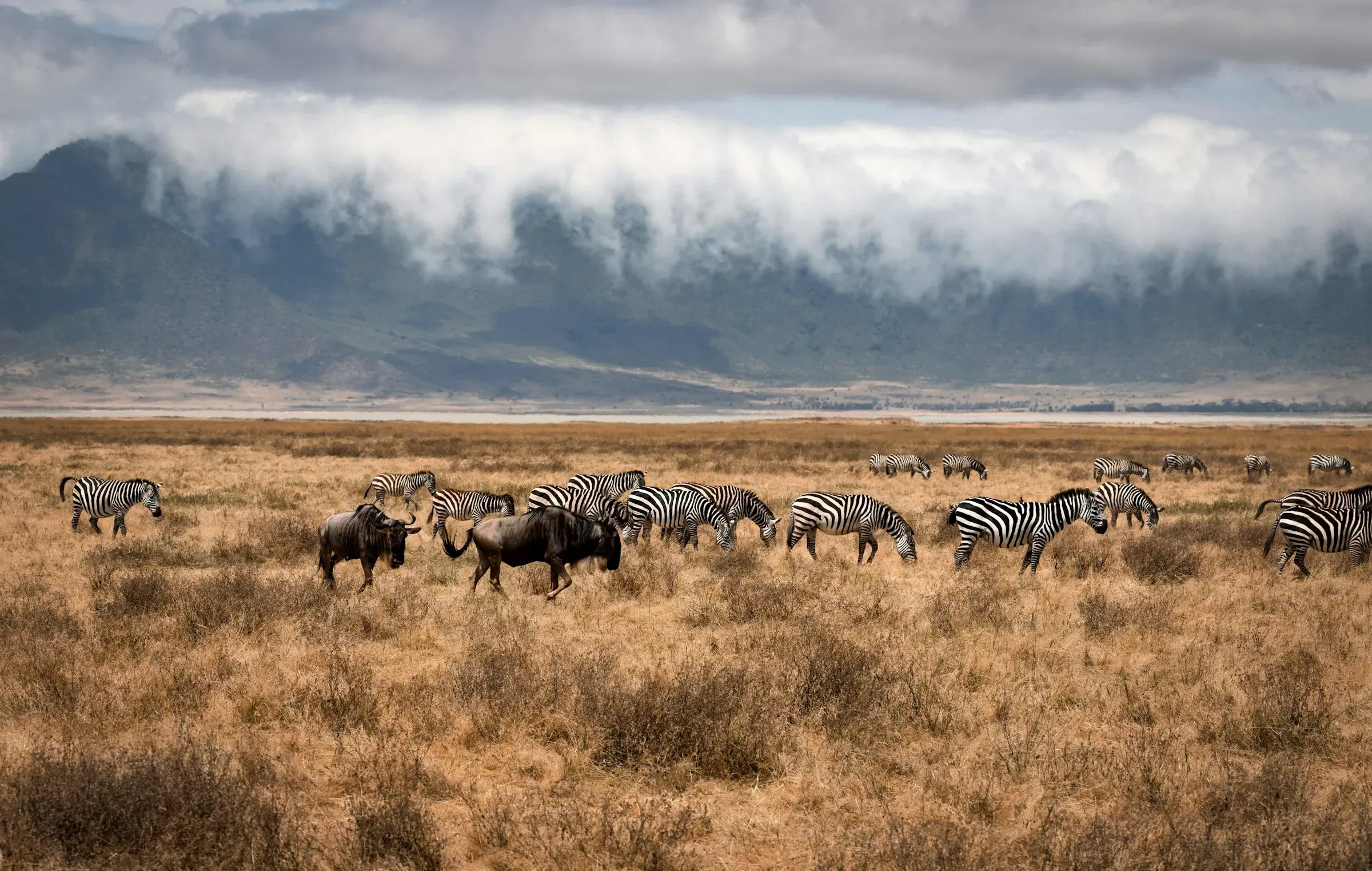
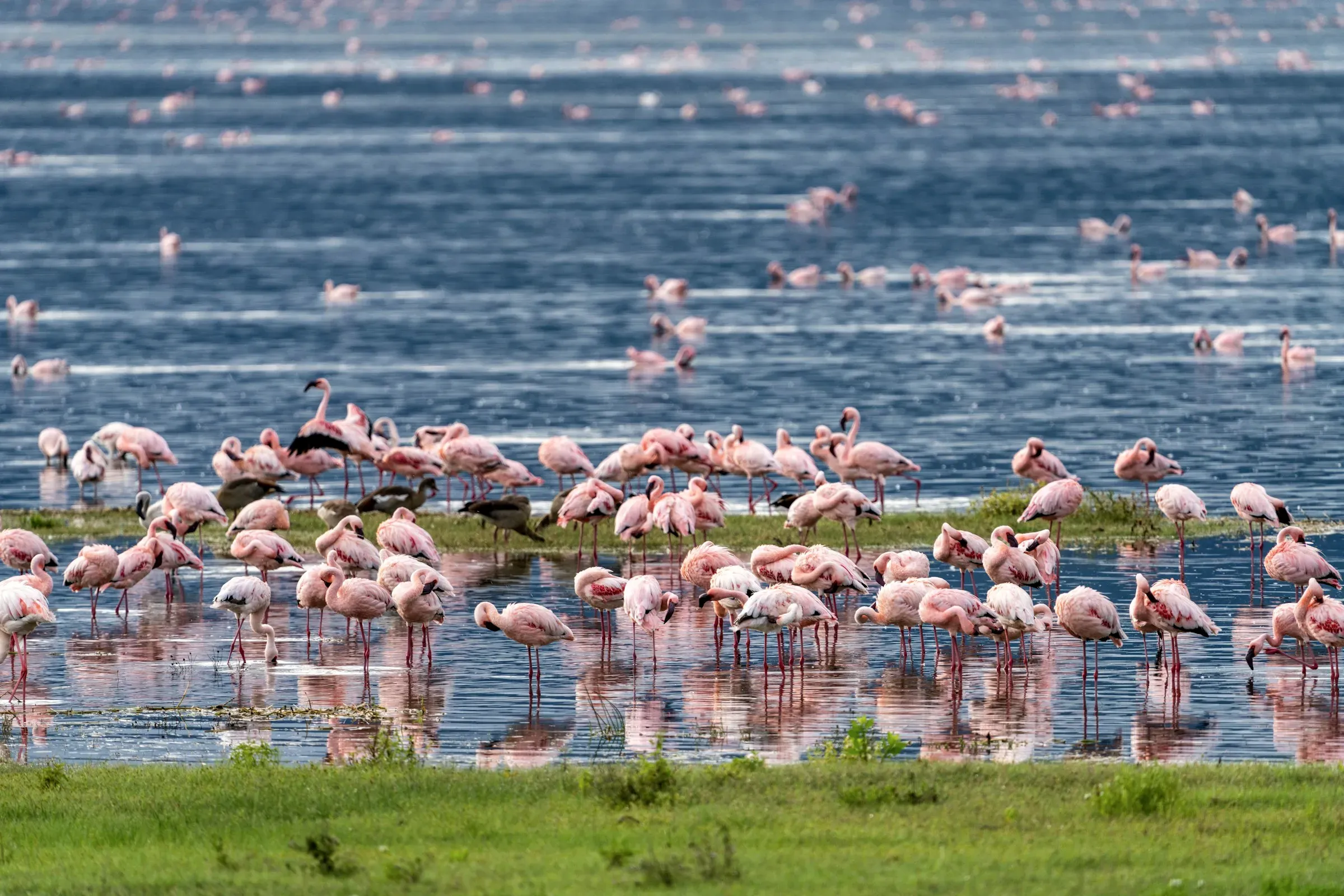
Crater floor permits limit each vehicle to a six-hour window to protect fragile grasslands. Starting early at Seneto descent road puts you on the floor while mist still curls off the marshes and lions are on the move.
“Ngorongoro Conservation Area is home to a population of some 25,000 large animals, mostly ungulates, alongside the highest density of mammalian predators in Africa.”
Pack a warm fleece — at nearly 2,300 m, early mornings on the rim can dip below 10 °C between June and August.
Switchbacks drop through montane forest and candelabra euphorbias onto the sun-lit grassland.
We check central short grass first for black rhino and hunting lions, then skirt alkaline Lake Magadi for flamingos and golden jackals.
Stretch your legs by the hippo pool with hot coffee and lunch (watch overhead — yellow-billed kites love an unguarded roll).
Search fever-tree woodland for veteran bull elephants before climbing out toward the Serengeti or Karatu.
| Crater zone | Habitat | Key wildlife to watch for |
|---|---|---|
| Central Grasslands | Alkaline short-grass plains | Eastern black rhino, lion prides, spotted hyena clans, wildebeest, zebra, and Thomson’s gazelle. |
| Lerai Forest | Yellow-barked fever acacia woodland | Veteran bull elephants with heavy tusks, bushbuck, vervet monkeys, and elusive leopards. |
| Lake Magadi | Shallow seasonal soda lake | Lesser and greater flamingos, avocets, stilts, and scavenging hyenas patrolling the salt crust. |
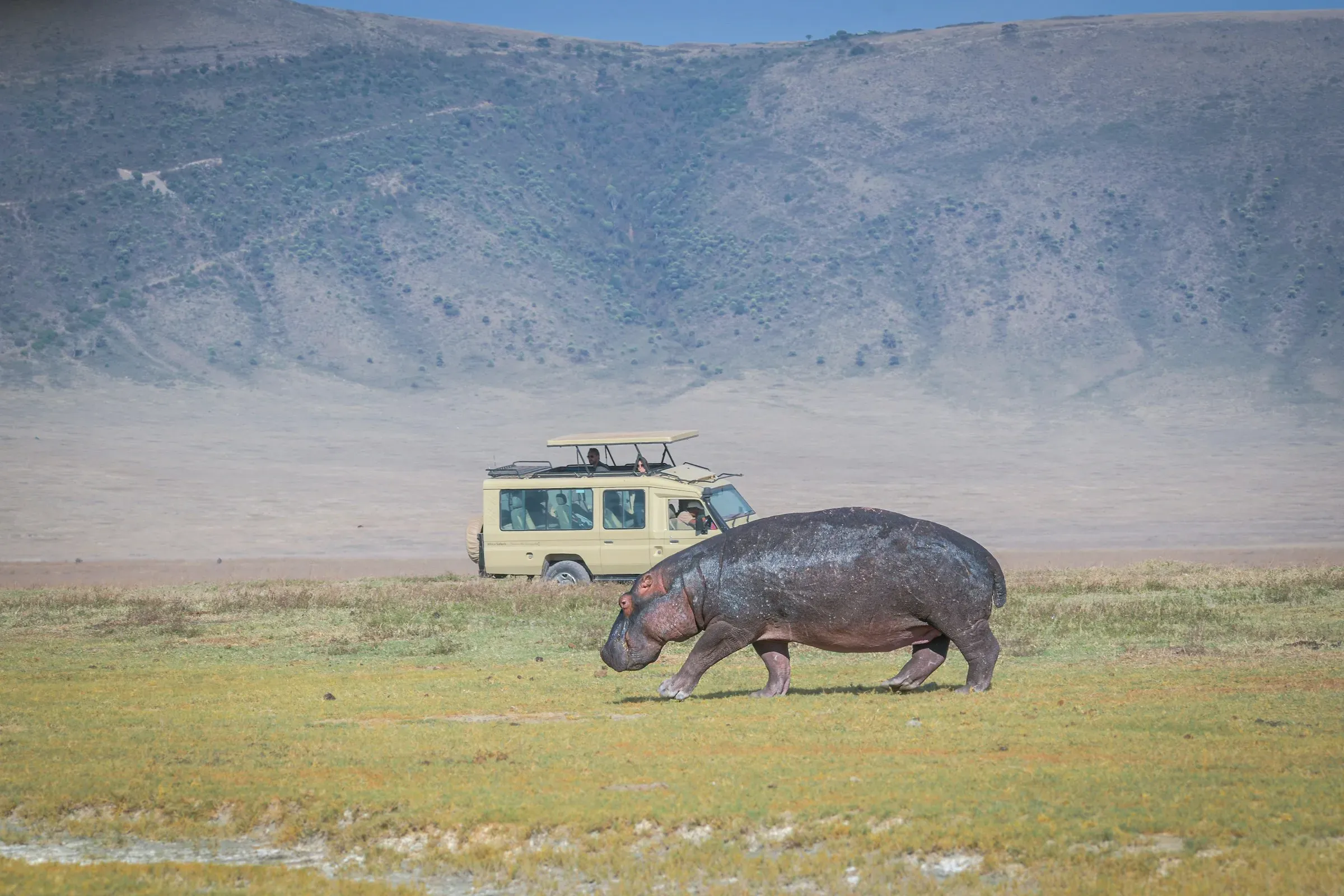
| Gorigor & Mandusi Swamps | Freshwater reedbeds & Ngoitokitok springs | Bloated hippo pods, Cape buffalo herds, reedbuck, crowned cranes, and kori bustards. |
The famous caldera accounts for just 3% of the Ngorongoro Conservation Area. Adding an extra afternoon unlocks paleoanthropology, volcano hikes, and living Maasai heritage.
01Known as the Cradle of Mankind, this 48 km canyon yielded 1.75–2 million-year-old hominin fossils discovered by Louis and Mary Leakey, near the 3.6-million-year-old Laetoli footprints.
02Quiet sibling calderas north-east of the main bowl. Descend on foot with an armed NCA ranger through mossy forest to Empakaai’s flamingo-ringed emerald soda lake.
 03
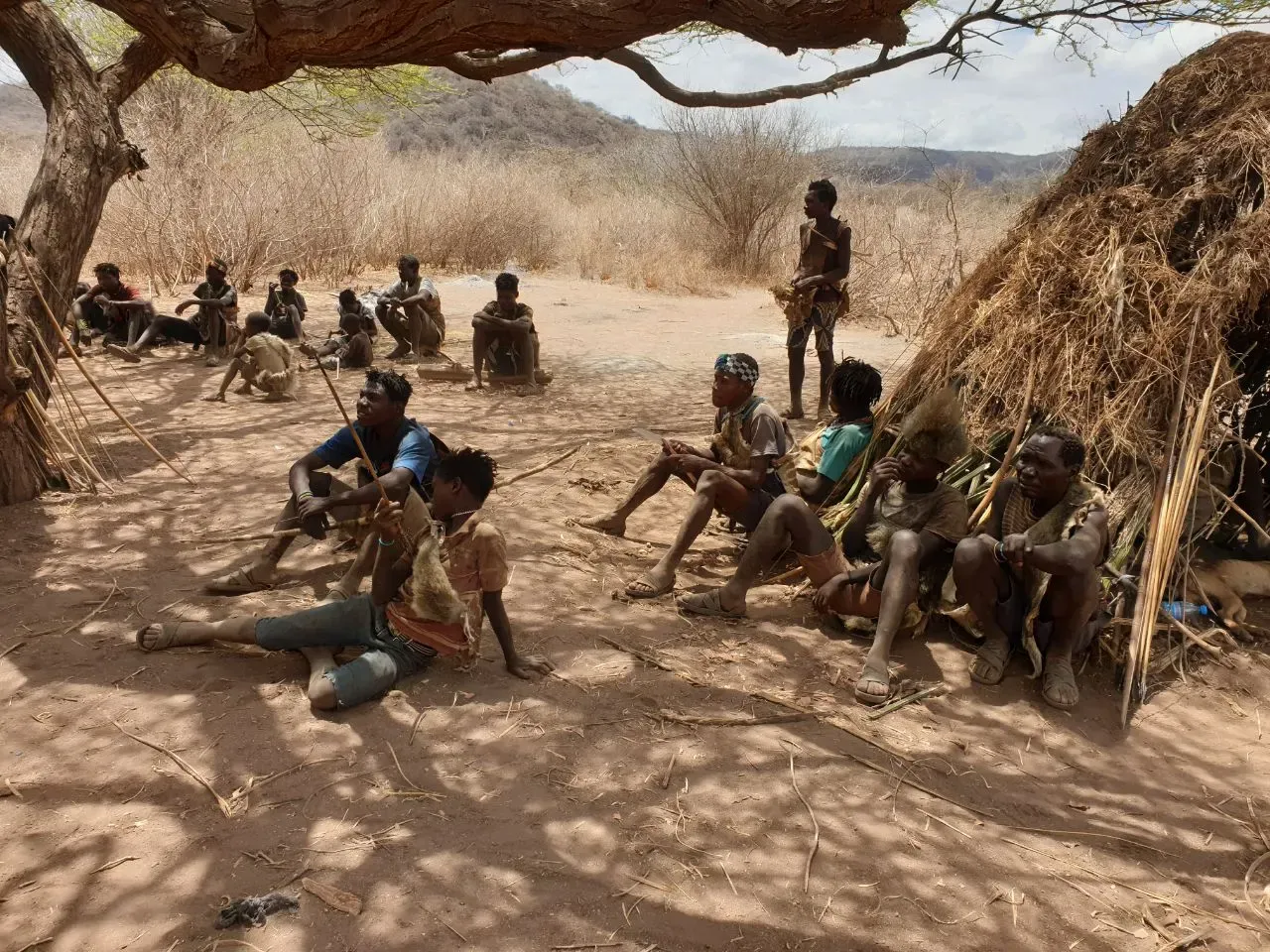
Ngorongoro is a multiple-land-use area where Maasai families herd cattle in traditional red shukas. Visit a highland boma to learn pastoral traditions respectfully.
Because steep 610 m walls act as a natural enclosure with year-round springs, almost every major plains species stays inside — with two famous exceptions: giraffes and impalas do not live on the crater floor.
Census data reference: UNESCO World Heritage Centre — Ngorongoro Conservation Area ↗
Across the central floor; crater lions famously use safari vehicle shadows as midday shade.
Hippos wallow at Ngoitokitok and Mandusi; large hyena clans patrol Lake Magadi.
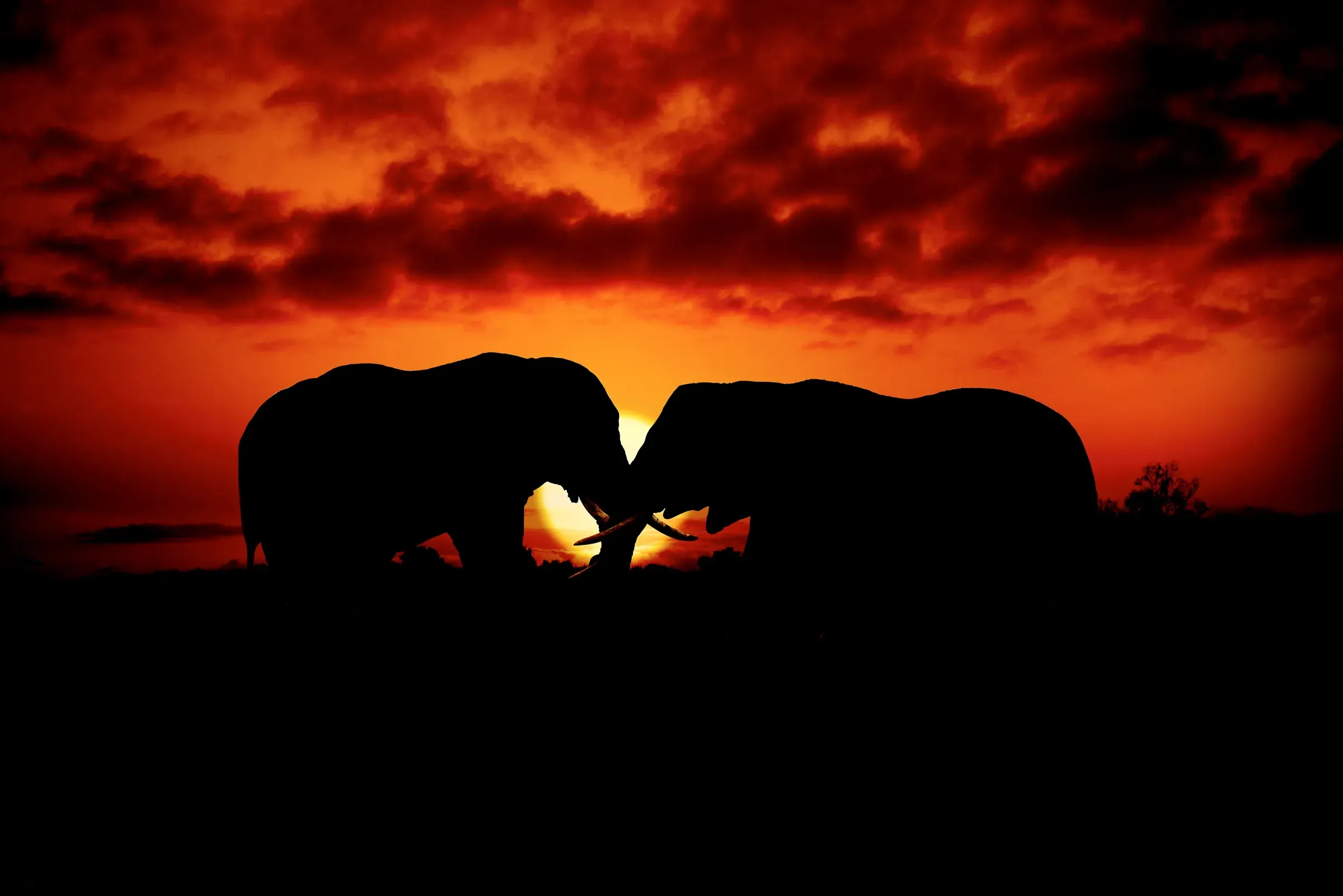
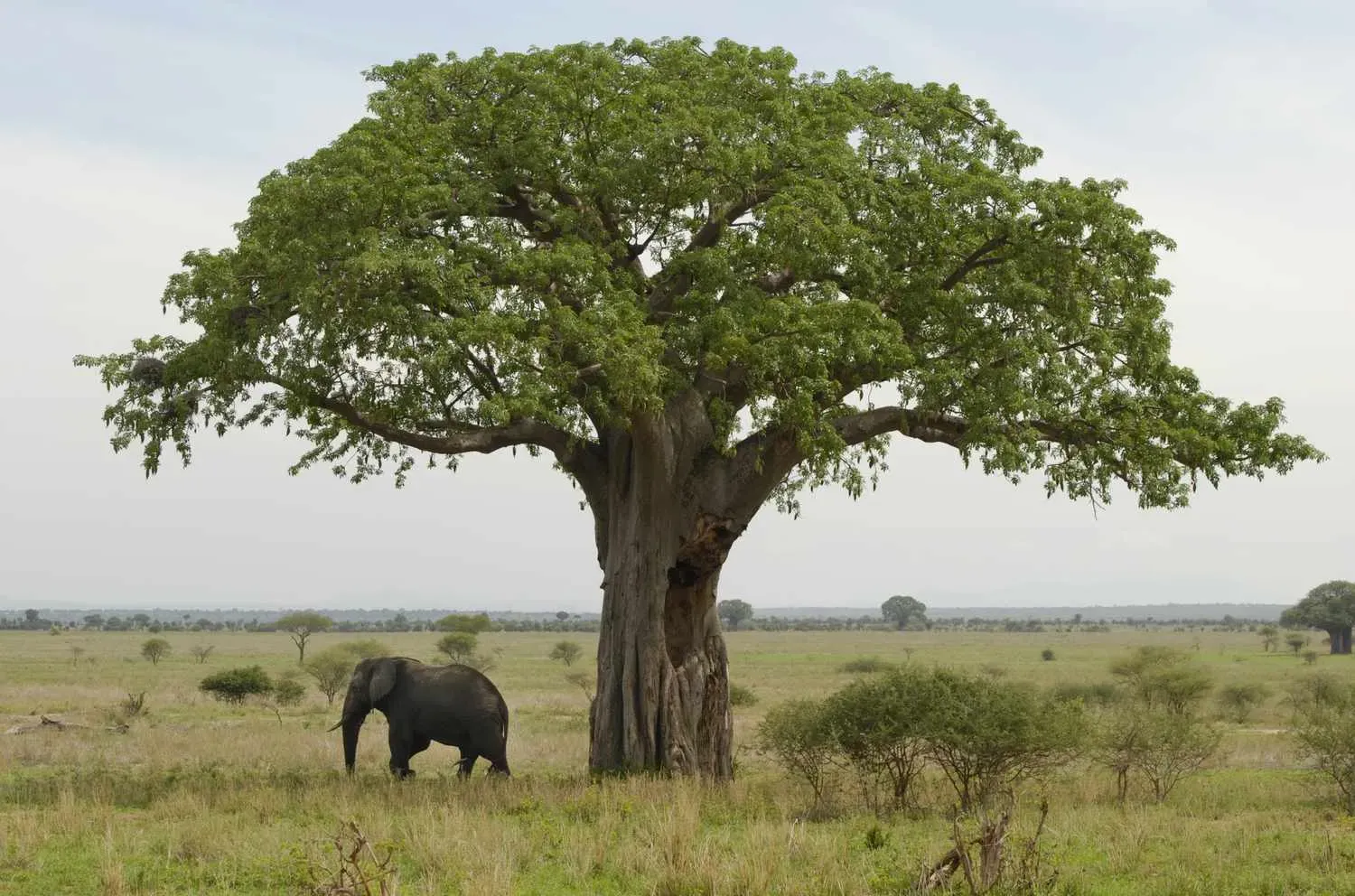
Old bulls carry some of East Africa’s longest tusks around Lerai Forest and Gorigor Swamp.
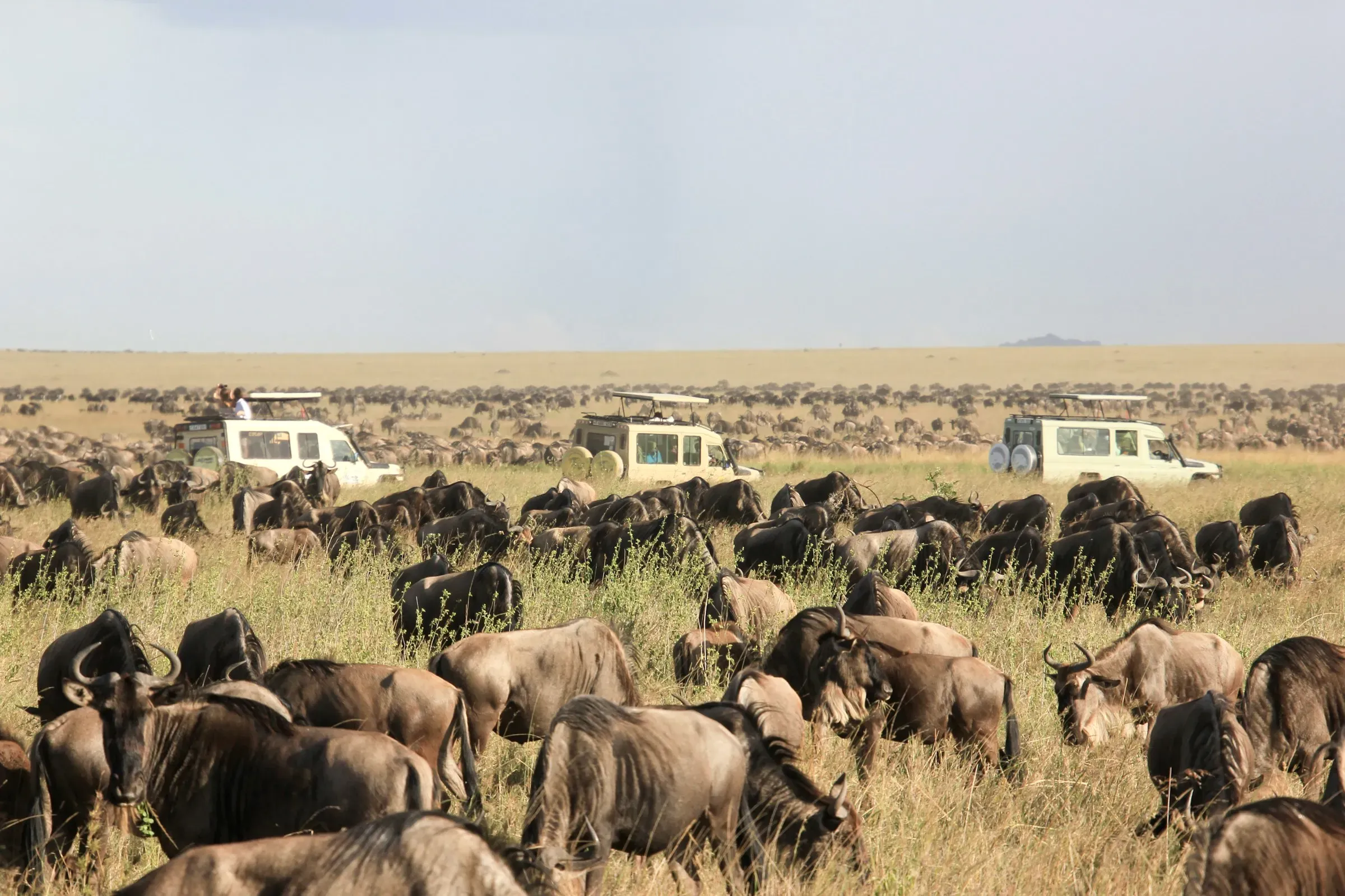
Open plains between Lerai and central tracks — best spotted early morning with binoculars.
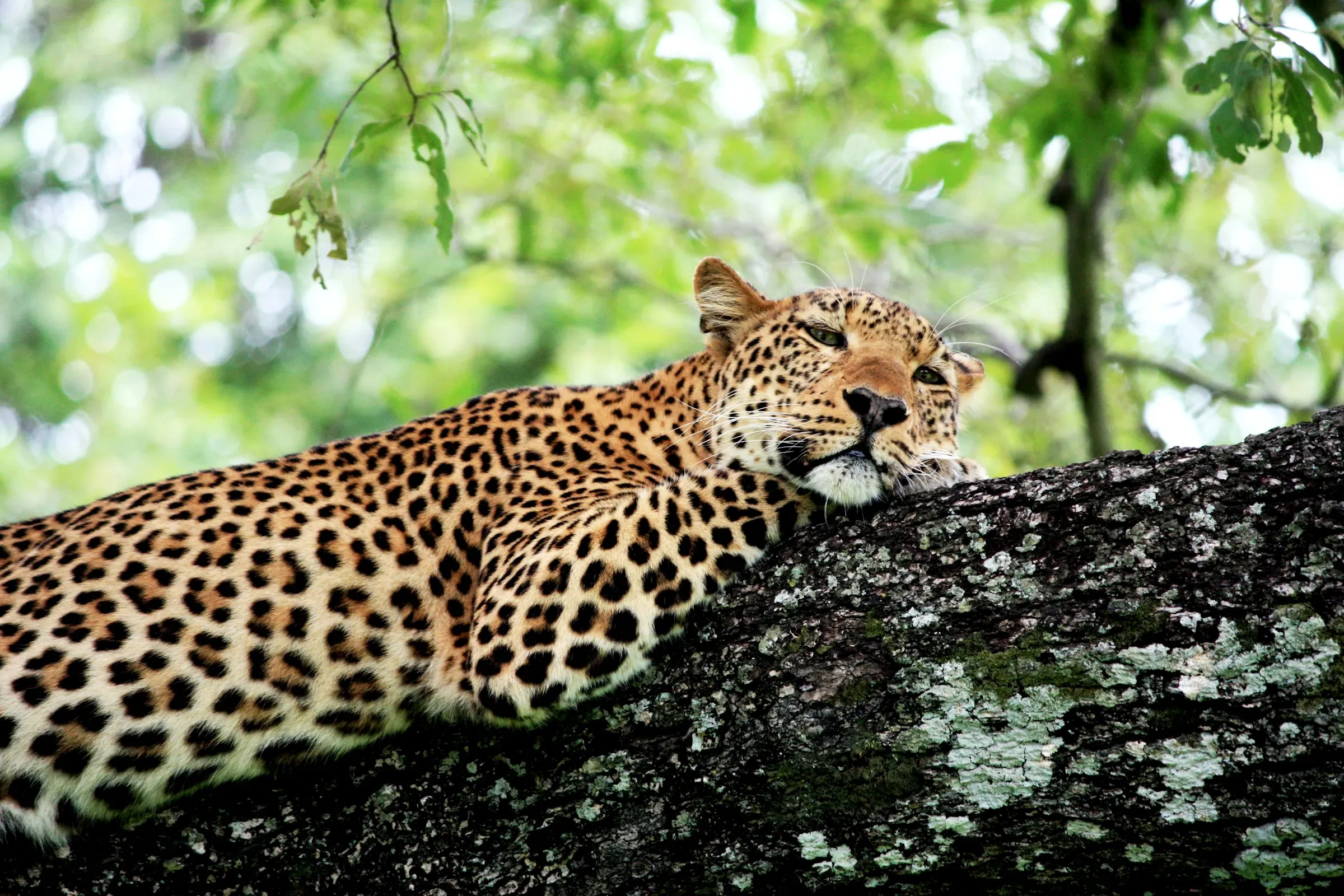
Leopards favour forested rim walls; pair with Serengeti for prime cat sightings →
Sighting ratings reflect our Arusha guides’ field experience across seasons, not a guarantee — wild animals move freely.
Steep rocky walls and a shortage of browse trees (like umbrella thorn acacias) keep giraffes out of the caldera itself — though you will spot plenty crossing the western Malanja depression toward Ndutu and the Serengeti.
Resident animals never migrate out of the bowl, making Ngorongoro a genuine twelve-month destination. Seasonality mainly affects rim temperatures, greenery, and vehicle numbers.
Short golden grass makes black rhino and lions easiest to spot. Rim nights are crisp and chilly (6–10 °C); bring warm layers.
Emerald grass, blooming highland flowers, lesser flamingos on Lake Magadi, and migrant birds — pairs seamlessly with Ndutu calving.
Lowest lodge tariffs and dramatic cloudscapes with far fewer vehicles at sightings, though afternoon tracks can be slick.
From Arusha, a smooth paved highway runs 180 km west (3 to 3.5 hours) past Mto wa Mbu and up the Rift Valley escarpment through Karatu to Loduare Gate. By air, daily scheduled flights land at Lake Manyara Airstrip (~1.5 hours from the rim).
No overnight stays are permitted on the crater floor. Guests choose between lodges perched directly on the 2,286 m rim (unbeatable views and fastest 06:00 gate entry) or boutique coffee-estate lodges in Karatu, 30–40 minutes below the gate, offering warmer nights and strong mid-range value.
NCAA entry permits allow up to 6 hours on the crater floor per descent. Because the floor is a compact 16–19 km across, 5 to 6 morning hours easily covers the grasslands, Lerai Forest, Lake Magadi, and Ngoitokitok hippo pool.
Rim lodges put you 10–20 minutes from the descent gate with breathtaking sunrise views into the bowl, at higher conservation fees and lodge rates. Karatu sits 30–40 minutes outside the gate among green coffee farms, offering warmer nights, swimming pools, and excellent mid-range value.
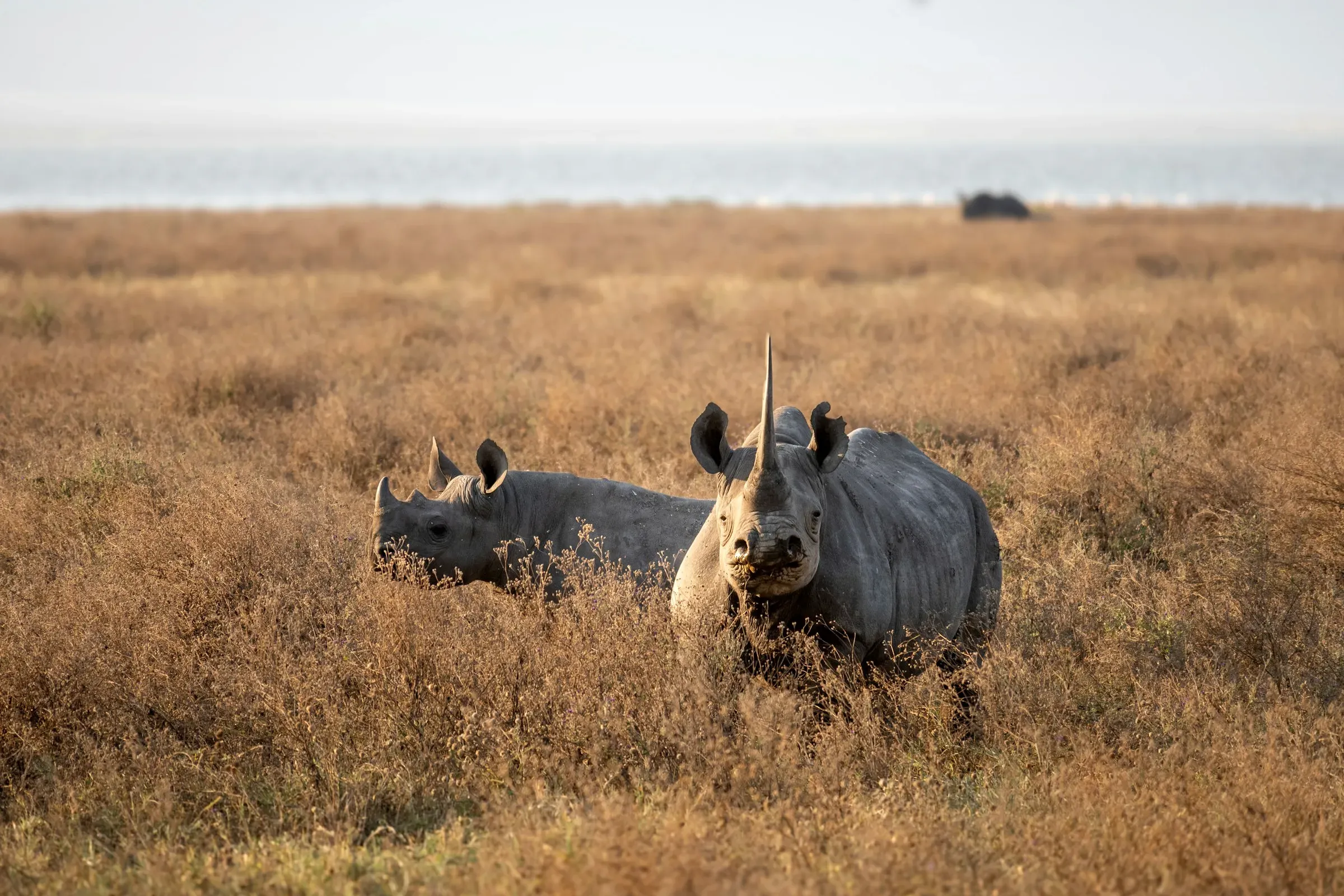
Ngorongoro offers the highest probability of seeing wild eastern black rhino anywhere on Tanzania’s Northern Circuit. Sightings are never guaranteed, and rhinos are often 200–500 metres off the track, so our 4×4s carry binoculars and descend at opening time when rhinos feed in the open.
At 2,286 metres on the rim, night and dawn temperatures regularly drop to 6–10 °C (43–50 °F) in June–August. Once you descend 610 m onto the floor and the sun rises, daytime temperatures warm comfortably to 20–25 °C.
Absolutely. You drive right through the Ngorongoro Conservation Area to reach the Serengeti by road, and the sheer wildlife density inside the volcanic amphitheatre feels completely different from the open horizons of the Serengeti.
Road distances, seasonal windows, and sighting notes come from our own Arusha guides on the ground. Last reviewed November 2026.