Experience 10 · Signature Activities1,100+ Bird Species · Golden Light · Private Pop-Up Roof 4×4s
Photography & Birding Safaris
Great wildlife photography and serious birding require patience, light awareness, and an empty row of seats for your lenses. In a private vehicle, you wait for the decisive moment while everyone else drives on.
04 · How You TravelFirst-Gate-Out to Last-Light Positioning
01The Experience
Positioned for the Light, Before the Action Happens
The difference between a snapshot and a portfolio frame comes down to three things: sun angle, clean background, and predicting where the animal will move thirty seconds before it takes a step.
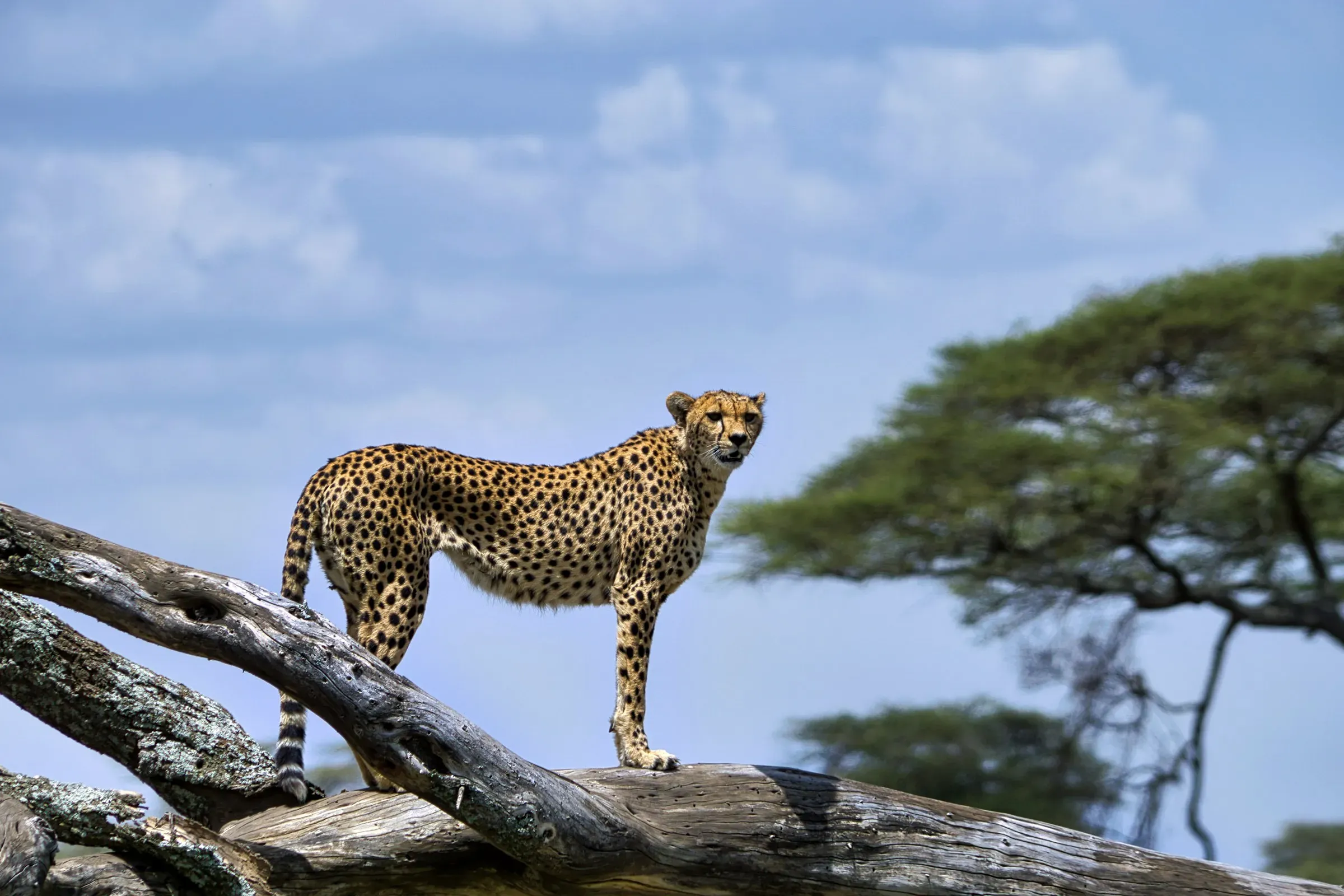
Our senior photography and birding guides understand focal lengths, shutter-speed light thresholds, and vehicle stability. When you line up a cheetah on a termite mound or a malachite kingfisher on a reed, your guide switches off the diesel engine immediately to eliminate vibration, positions the vehicle so the golden sun is behind your shoulder, and provides rice beanbags for your 400mm–600mm telephoto lenses.
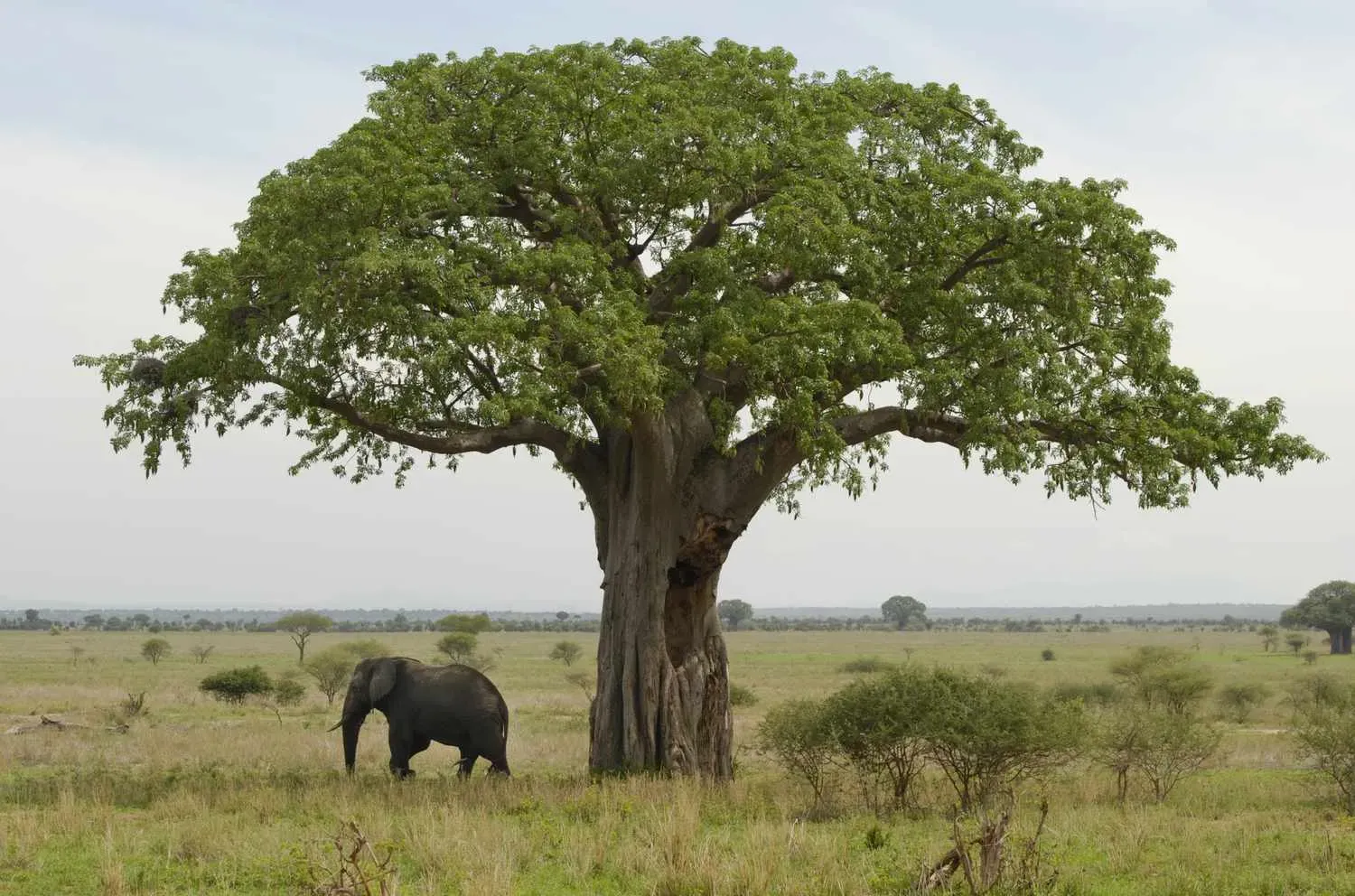
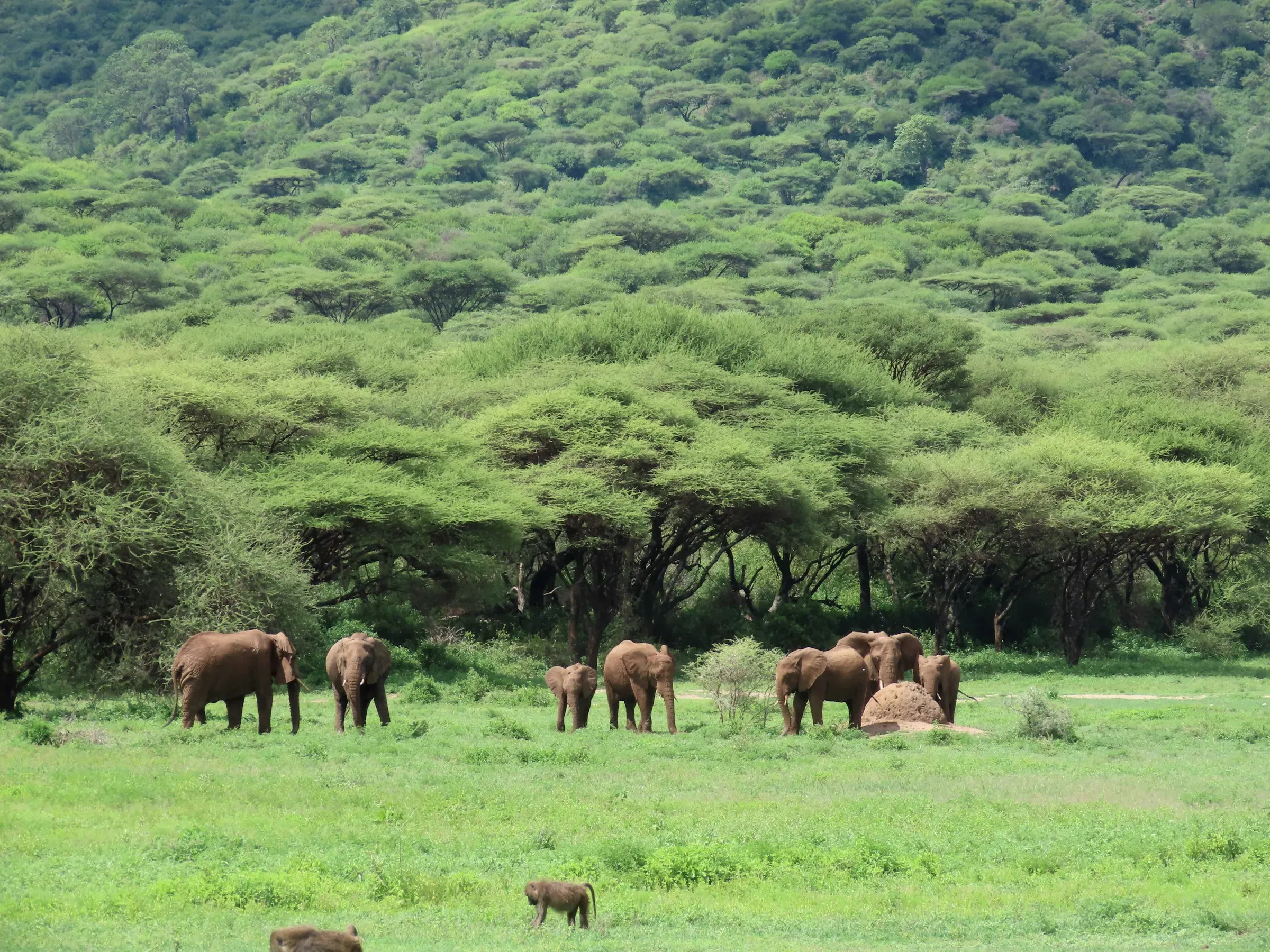
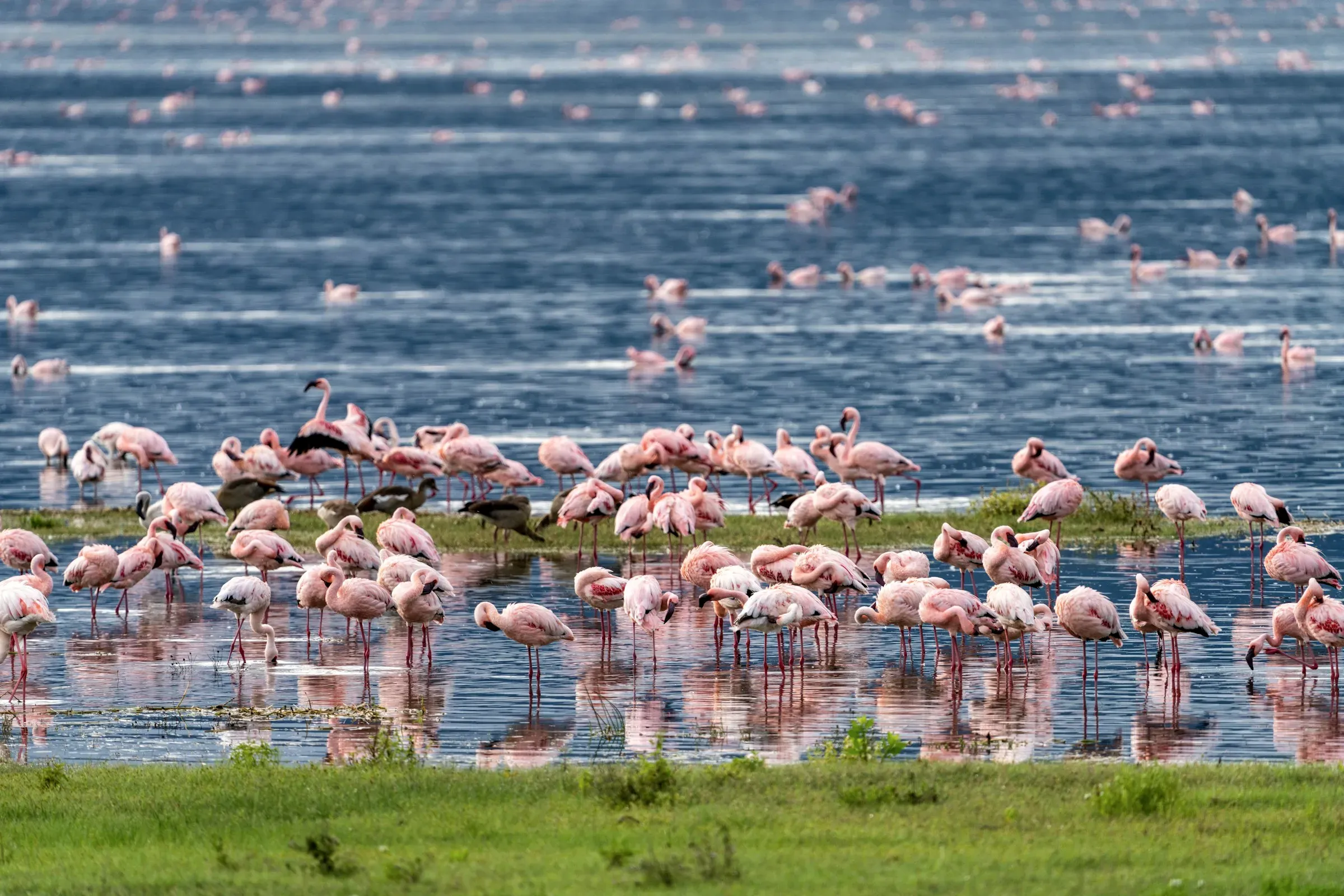
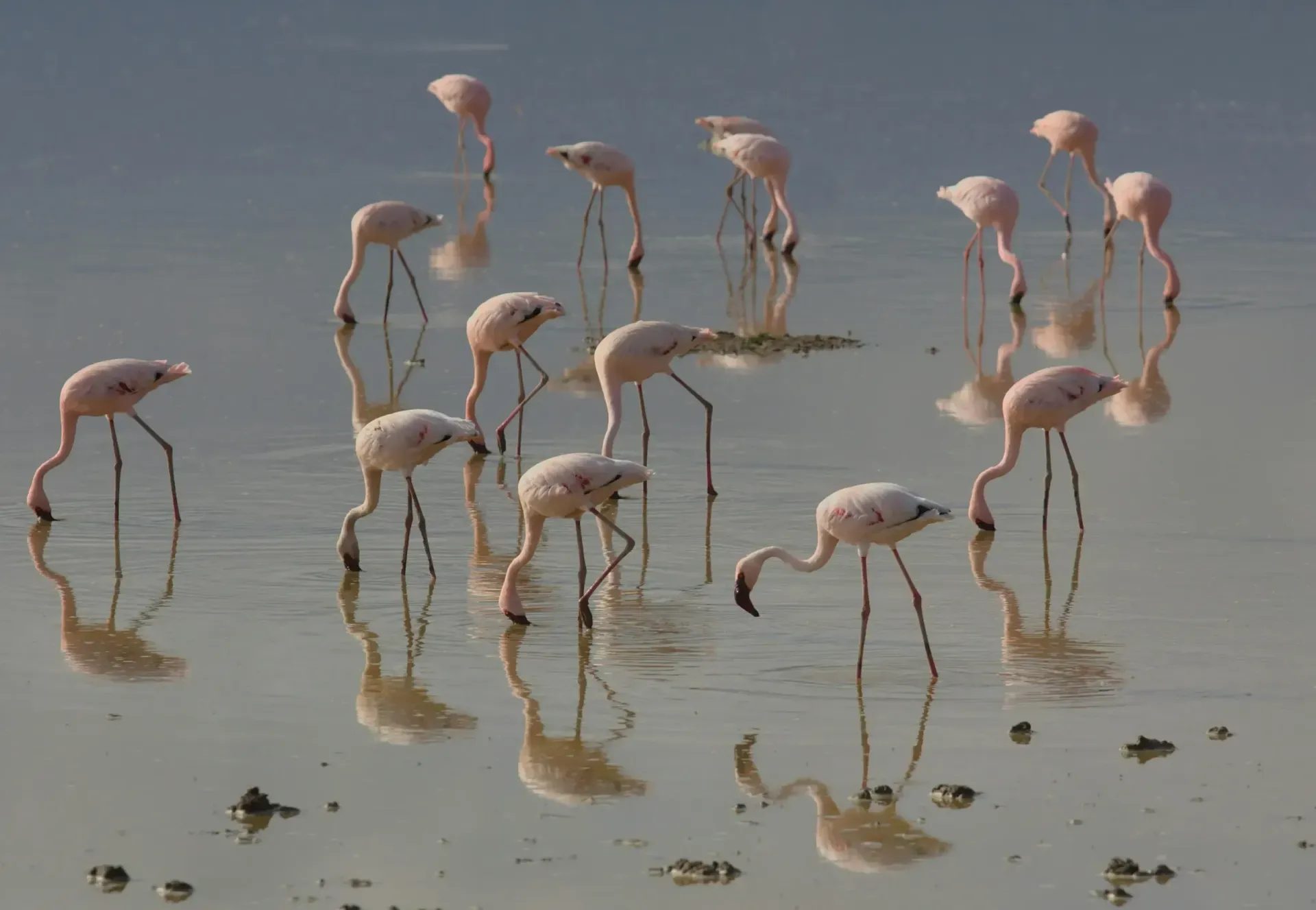
For birders, Tanzania ranks among the top three countries in Africa with over 1,100 recorded species—from lesser flamingos and pelicans on Rift Valley soda lakes and 550+ species in Tarangire’s baobab swamps to over 25 Tanzania endemics like the grey-breasted spurfowl, Fischer’s lovebird, and Usambara weaver.
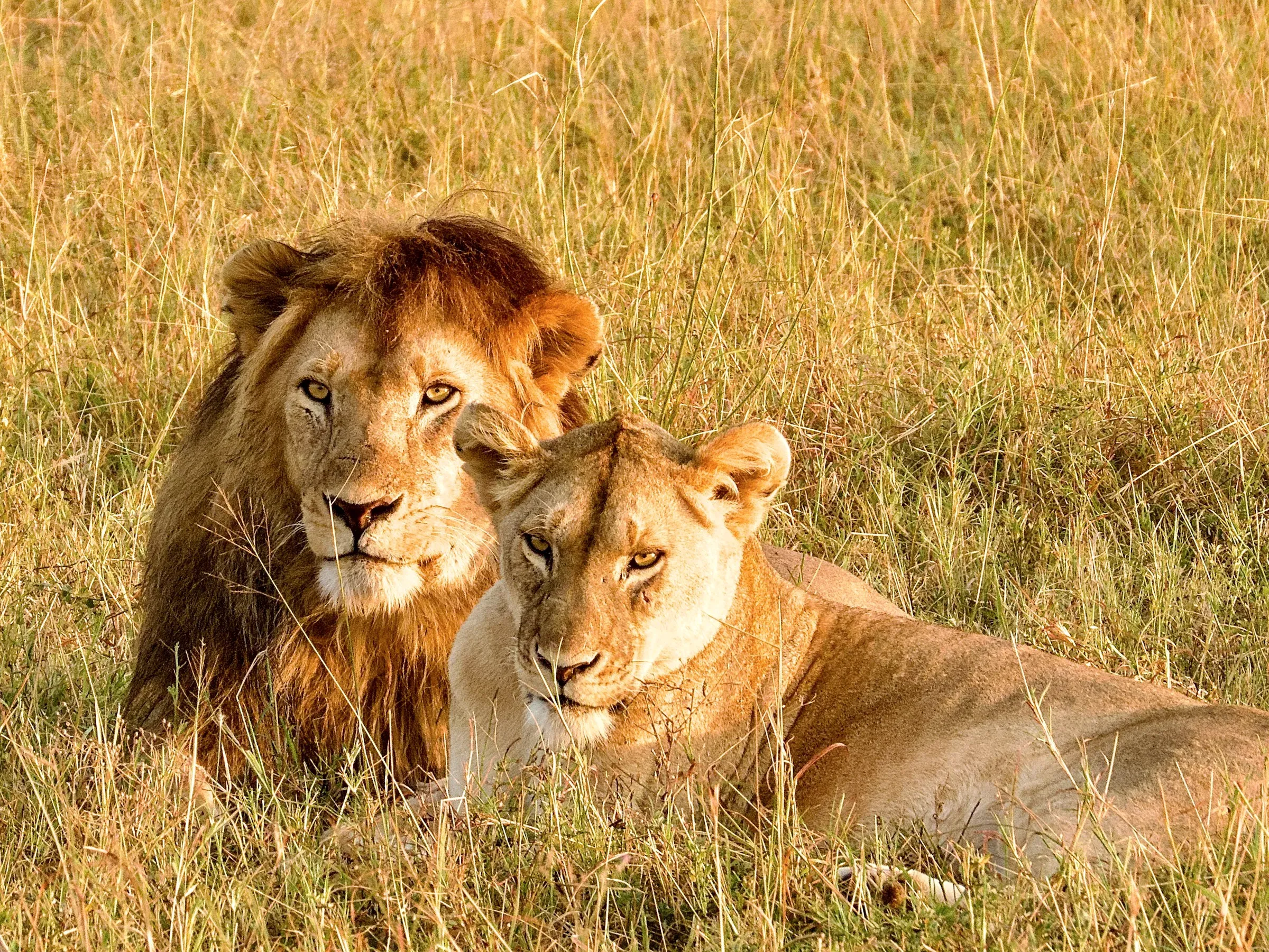
“Our guide knew the light angles better than we did—he always anticipated which way the lions would walk so they came straight into the morning sun.”
02Signature Moments
What Makes Photo & Birding Unforgettable
Every itinerary is tailored by our Arusha team around these defining wildlife, landscape, and cultural highlights.
01December to March
Ndutu Conservation Area (Southern Serengeti)
Off-Road Predator Photography in Ndutu
Ndutu is one of the only areas in Northern Tanzania where licensed off-road driving is permitted, allowing us to position cleanly for eye-level cheetah sprints and lion cubs in emerald grass.
02November to April (Migratory + Breeding Plumage)
Tarangire Silale Swamp, Lake Manyara & Ngorongoro
550+ Bird Species in Tarangire & Rift Valley Soda Lakes
Log yellow-collared lovebirds, ash-throated starlings, kori bustards, saddle-billed storks, secretary birds, and thousands of flamingos in a single circuit.
03Every Departure
Inside Every Private Serengeti Mystery 4×4
Dedicated Camera Space, Beanbags & Charging Inverters
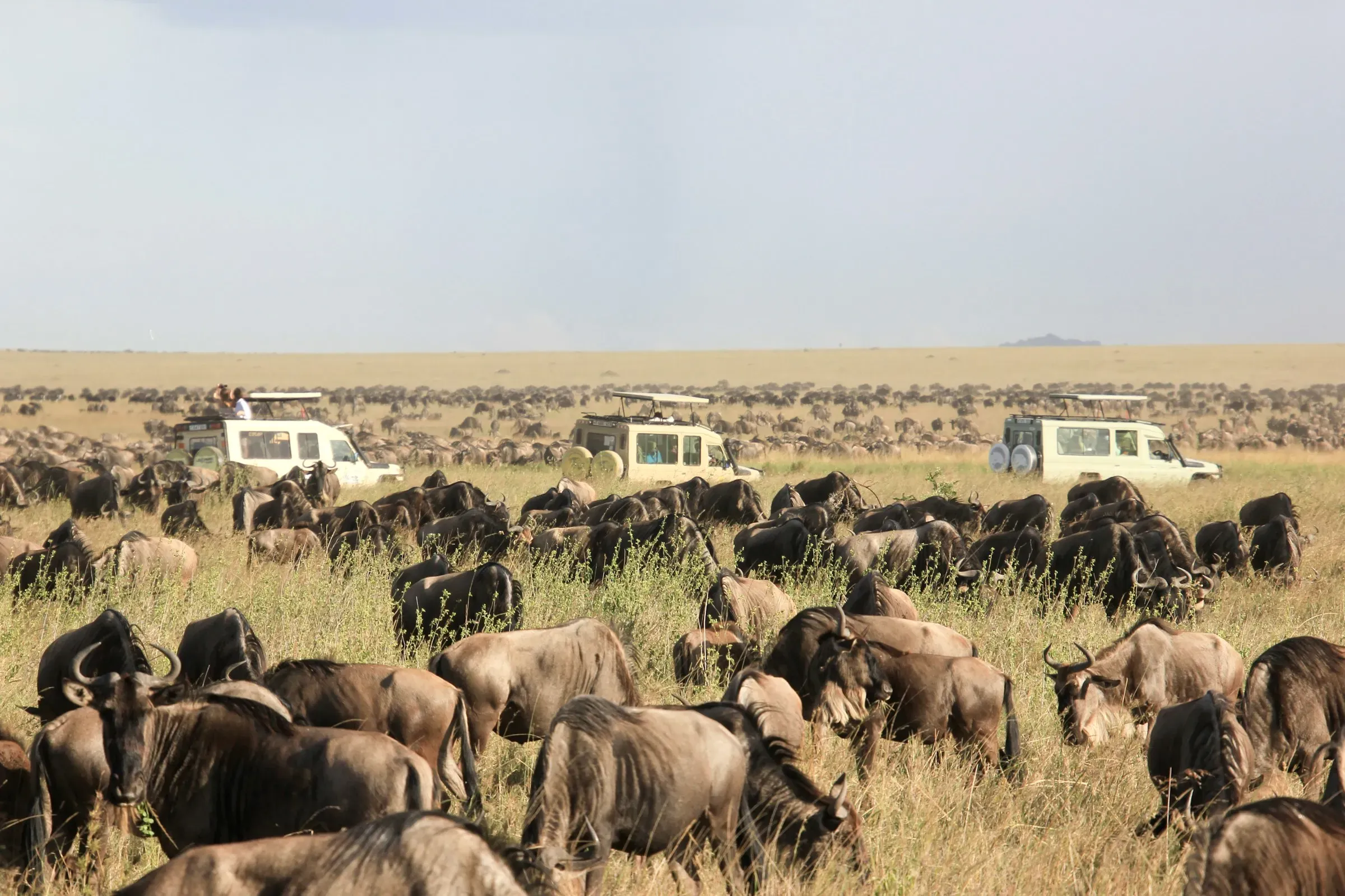
Every Land Cruiser features a 360-degree pop-up roof hatch, sliding side windows for lower perspective, 230V multi-plug inverter strips to charge camera batteries on the move, and dust covers.
03Rhythm in the Bush
A Photographer & Birder’s Daily Rhythm
Built entirely around the first two and last two hours of light.
0106:00
On Location Before Sunrise
Be parked beside a silhouette acacia or kopje ten minutes before the sun breaks the horizon for rim-lit portraits.
0208:30
Wetland & Woodland Birding Transect
Work slowly through riverine forest and marsh edges with field guides and checklists as bird activity peaks.
0312:30
Midday File Backup, Lens Cleaning & Rest
Use the harsh overhead midday light to back up memory cards, recharge batteries, or photograph birds at camp feeders.
0416:00
Golden-Hour Backlight & Dust Session
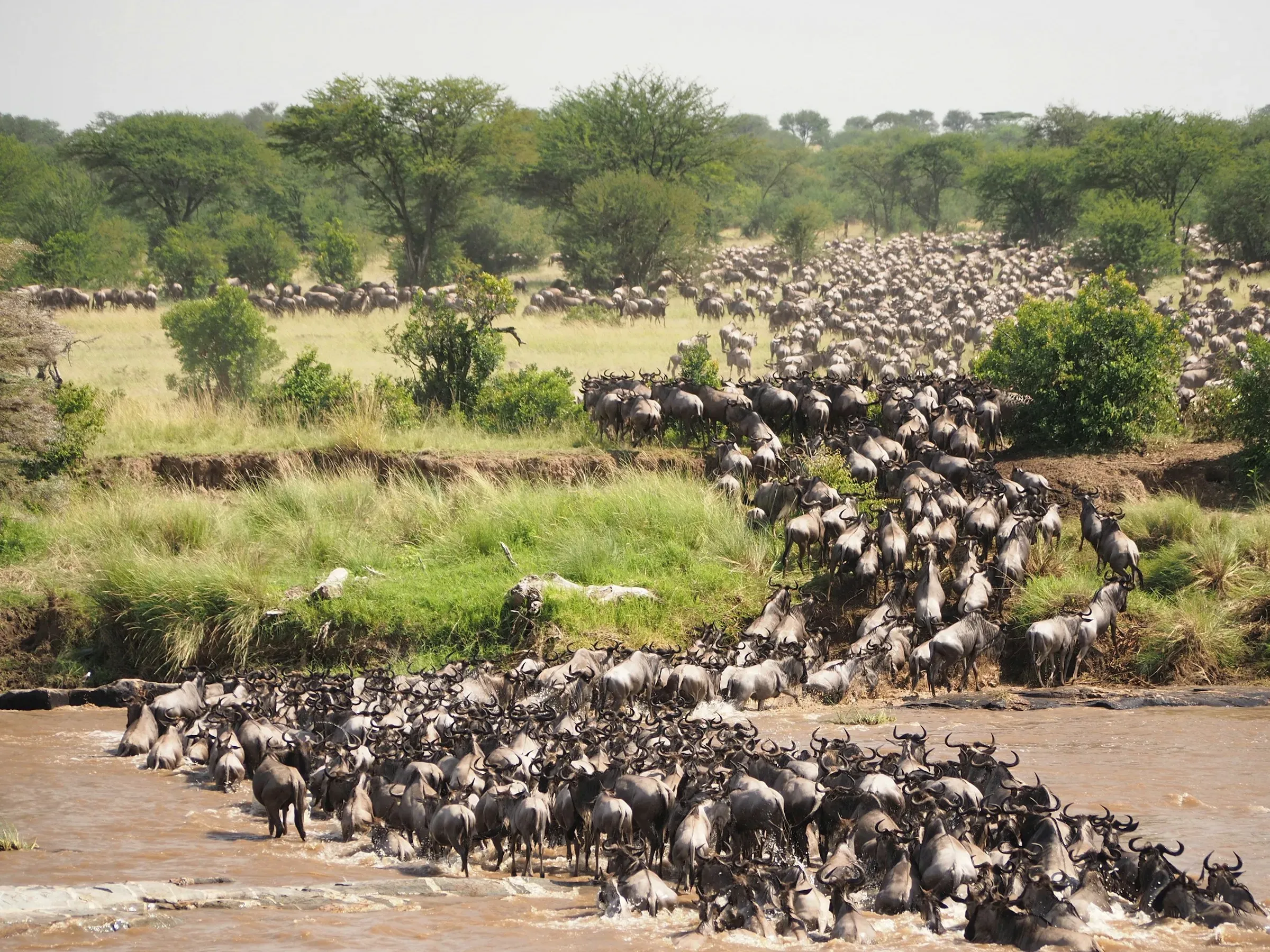
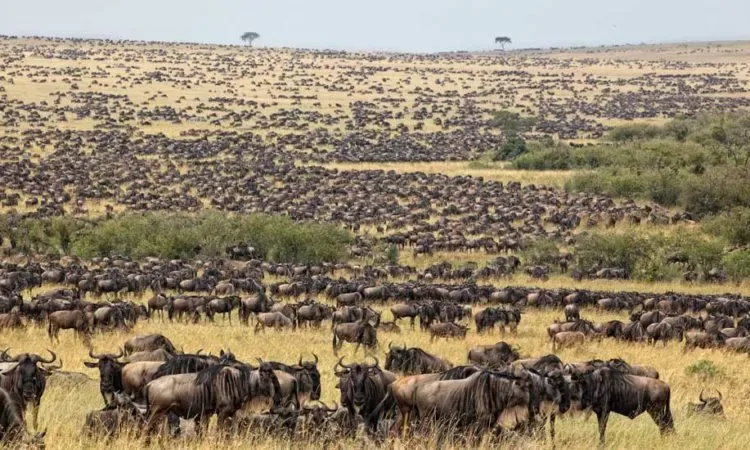
Stay out until the very last legal gate minute capturing golden dust clouds behind elephant and wildebeest columns.
01First Light Advantage
Inside-the-Park Tented Camps
Central, Northern & Ndutu Mobile Camps
Sleeping right inside the park means zero gate commute—you are shooting in prime habitat at 06:00 sharp.
021,100+ Species
Dedicated Birding Circuit
Arusha NP, Tarangire, Manyara, Eyasi & Serengeti
Covers montane forest, acacia savanna, soda lakes, papyrus swamp, and crater highlands in one route.
03Maximum Elbow Room
2-to-4 Photographers Per Vehicle
Full Row Per Photographer
We cap occupancy so every photographer gets an entire three-seat row for two camera bodies, long lenses, and beanbags.
What focal lengths do you recommend for a Tanzania photography safari?+
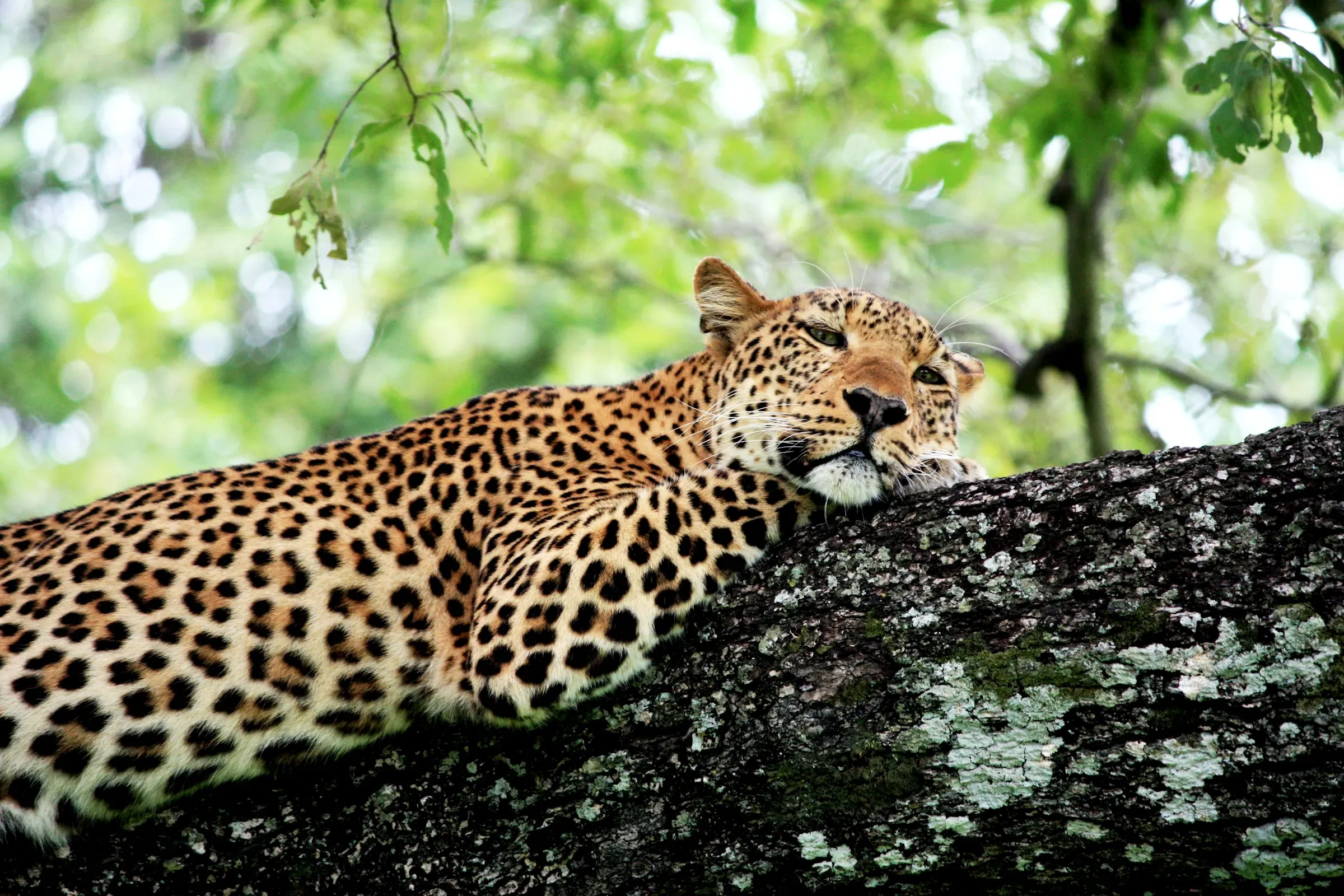
A 100–400mm or 200–600mm zoom on one body paired with a 24–70mm or 70–200mm on a second body covers 95% of situations—from close roadside elephants and wide landscape skies to distant leopards and birds.
What is the best time of year for birdwatching in Tanzania?+
November through April is peak birding season: Palearctic and intra-African migrants arrive in full numbers, resident weavers and whydahs are in vibrant breeding plumage, and the dust-free green landscapes offer rich photographic contrast.
Can you provide beanbags in the vehicle?+
Yes! Just let us know you are bringing telephoto lenses and we will stock your Land Cruiser with filled canvas beanbags before you arrive.

 01December to March