 01
First & last light
Mkata Plain & Waterhole Loops
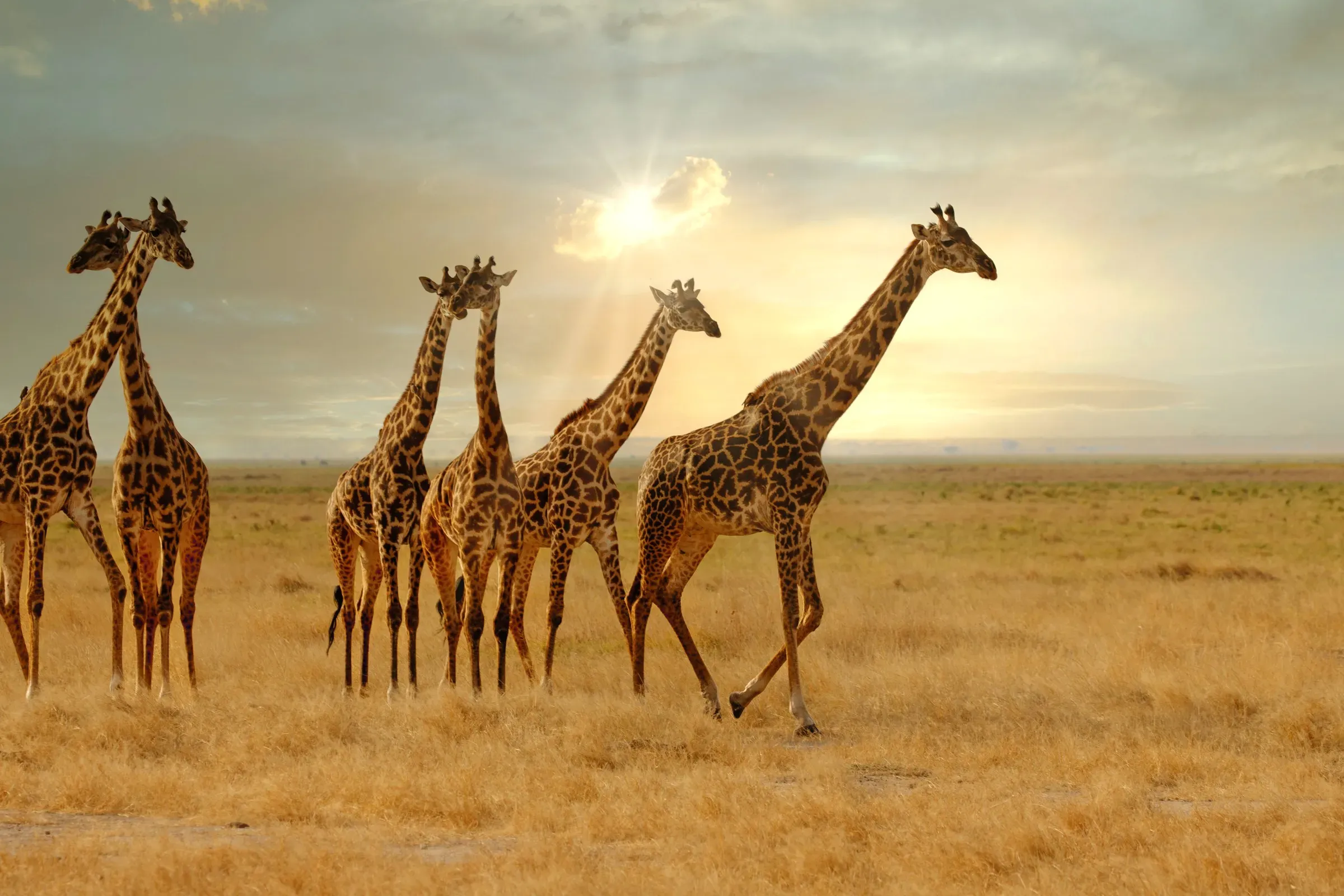
Follow Kizorobi, Chamgore, and Mkata River circuits when golden light hits the Uluguru mountain wall behind browsing giraffes and buffalo.
Open Mkata floodplains framed by the Uluguru and Udzungwa mountains within easy reach of Dar es Salaam
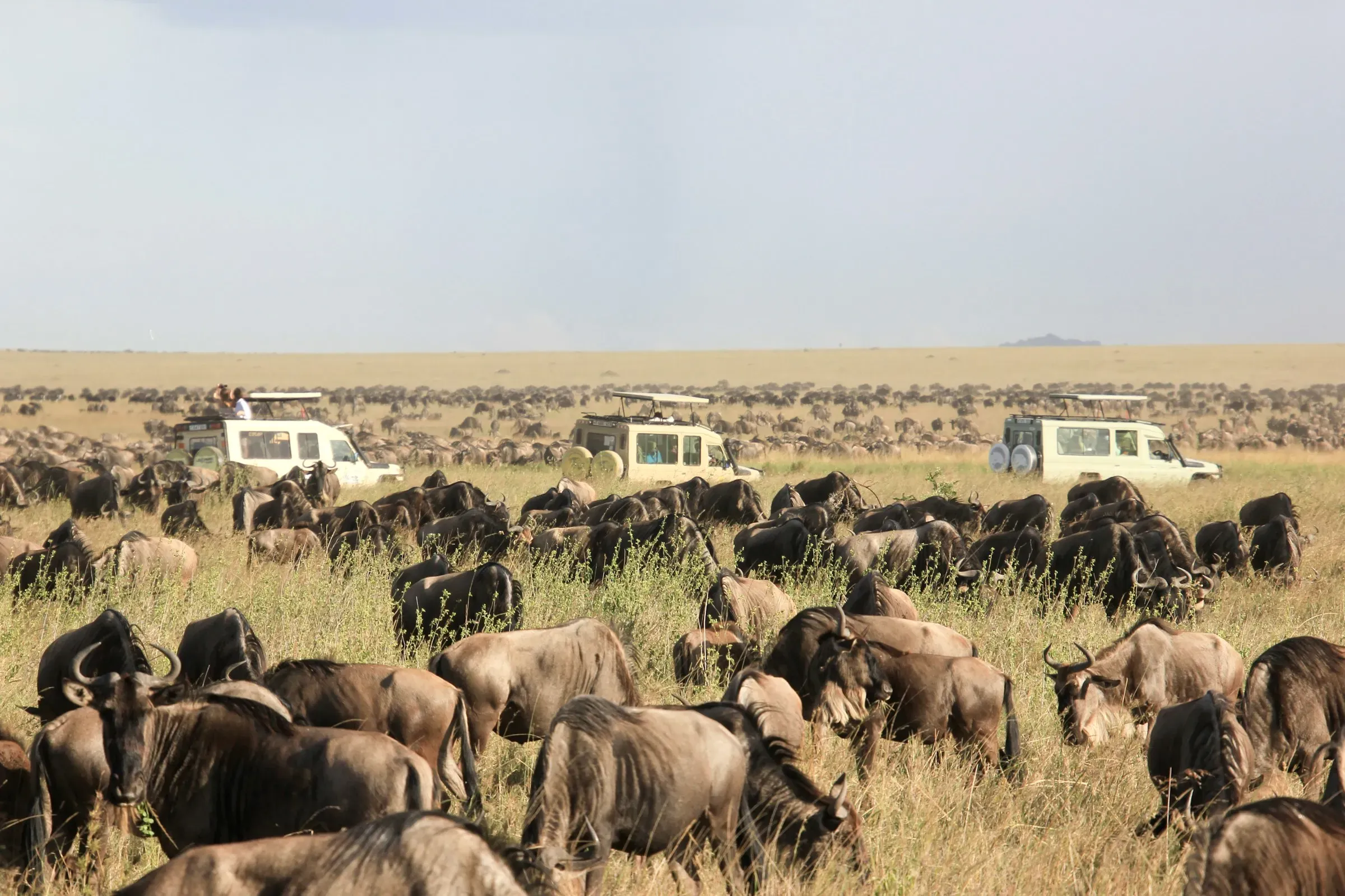
Mikumi’s wide Mkata Floodplain delivers classic open-horizon game viewing — lions, elephants, giraffes, zebras, buffalo, and Africa’s largest antelope, the eland — just four to five hours on tarmac from Dar es Salaam or a quick hop from Zanzibar.
Mikumi National Park spans 3,230 km² in Morogoro Region, making it Tanzania’s fourth-largest national park and the northern gateway to the vast Nyerere–Selous ecosystem. Established in 1964, its open Mkata River floodplain — nicknamed “Little Serengeti” — sits framed between the misty Uluguru and Udzungwa mountains, offering reliable year-round wildlife and 400+ bird species.
Mikumi is named after the Borassus palm (mkumi in Swahili), whose tall fan-topped trunks dot the Mkata floodplain even where villages once stood.
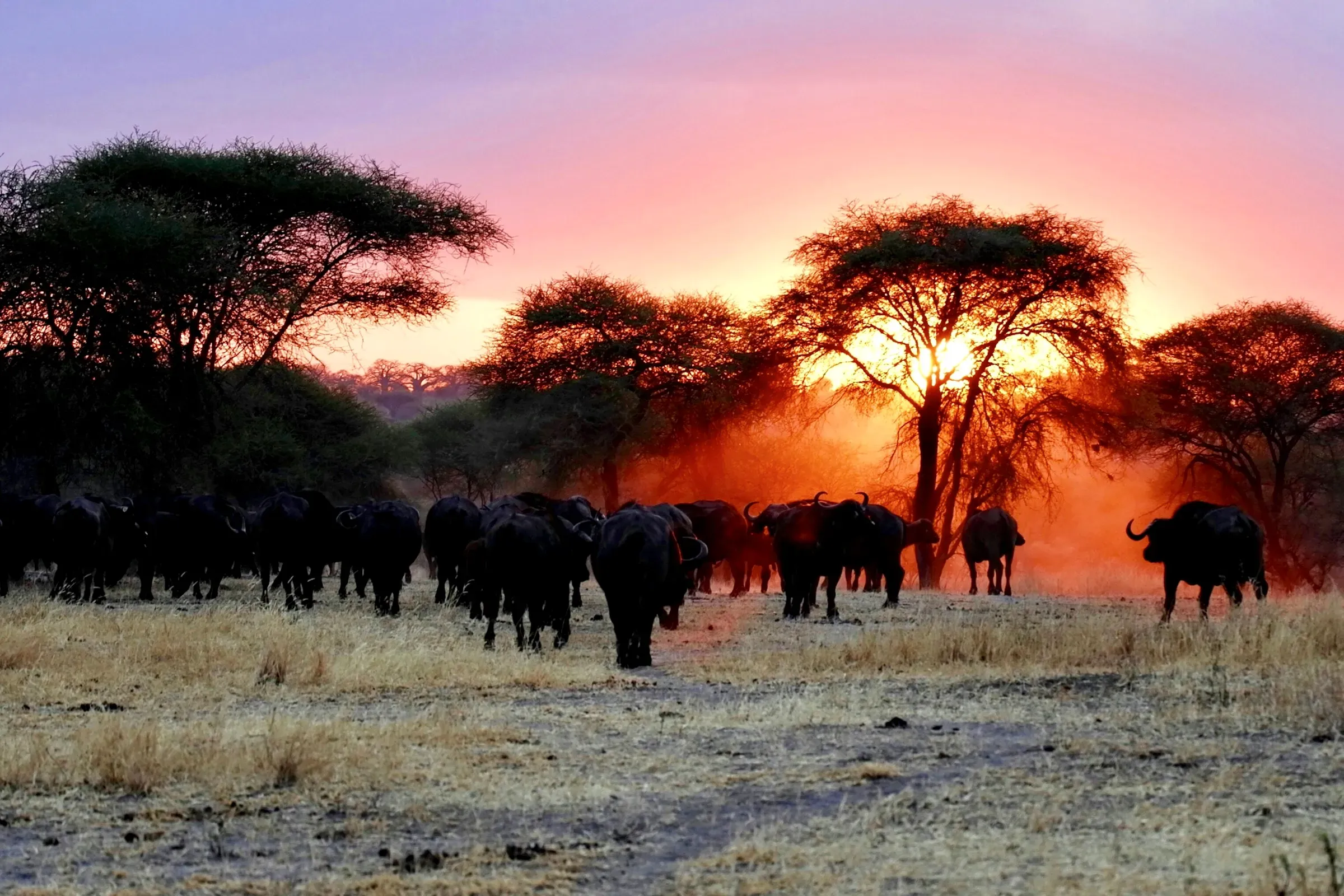
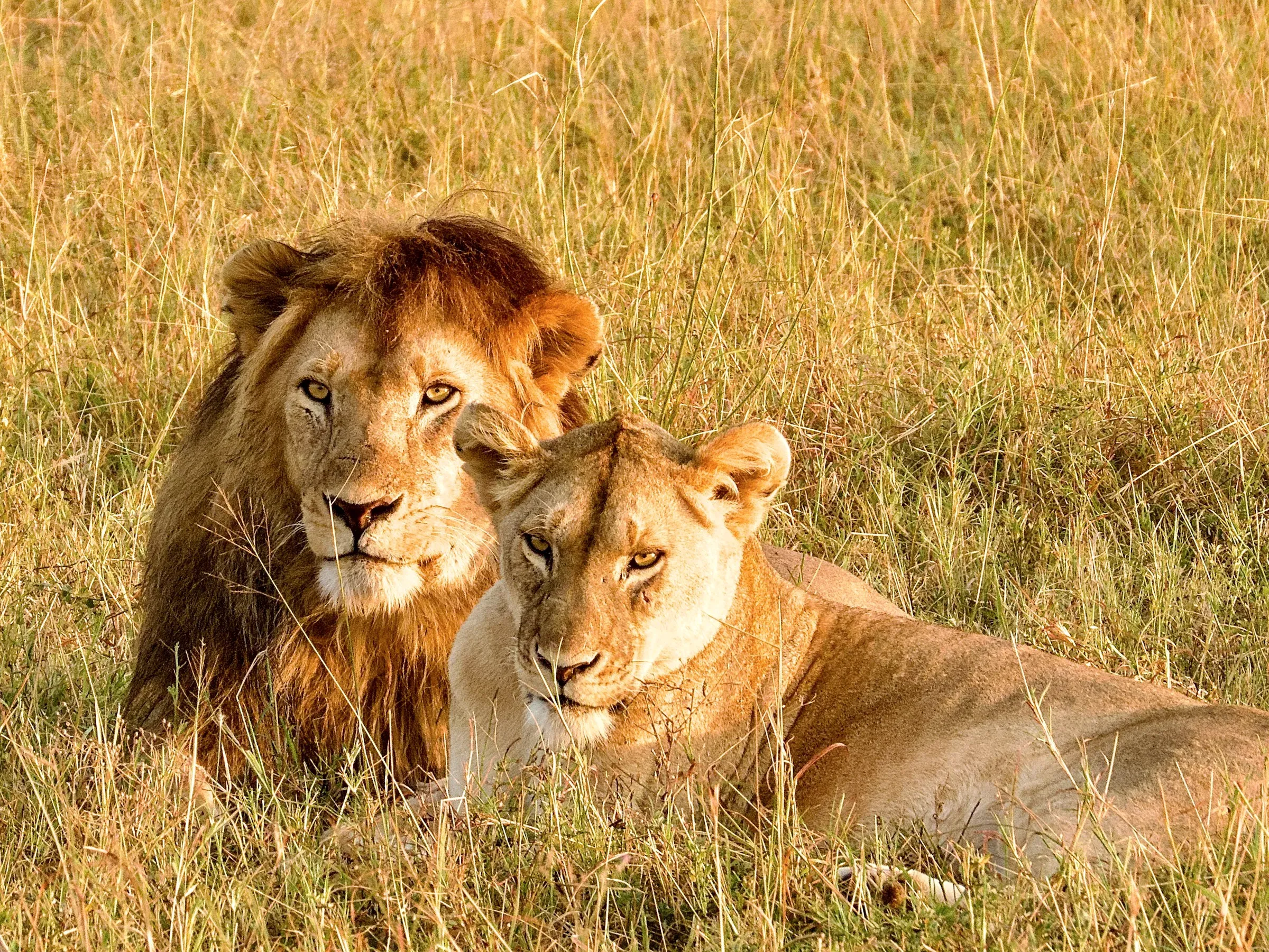
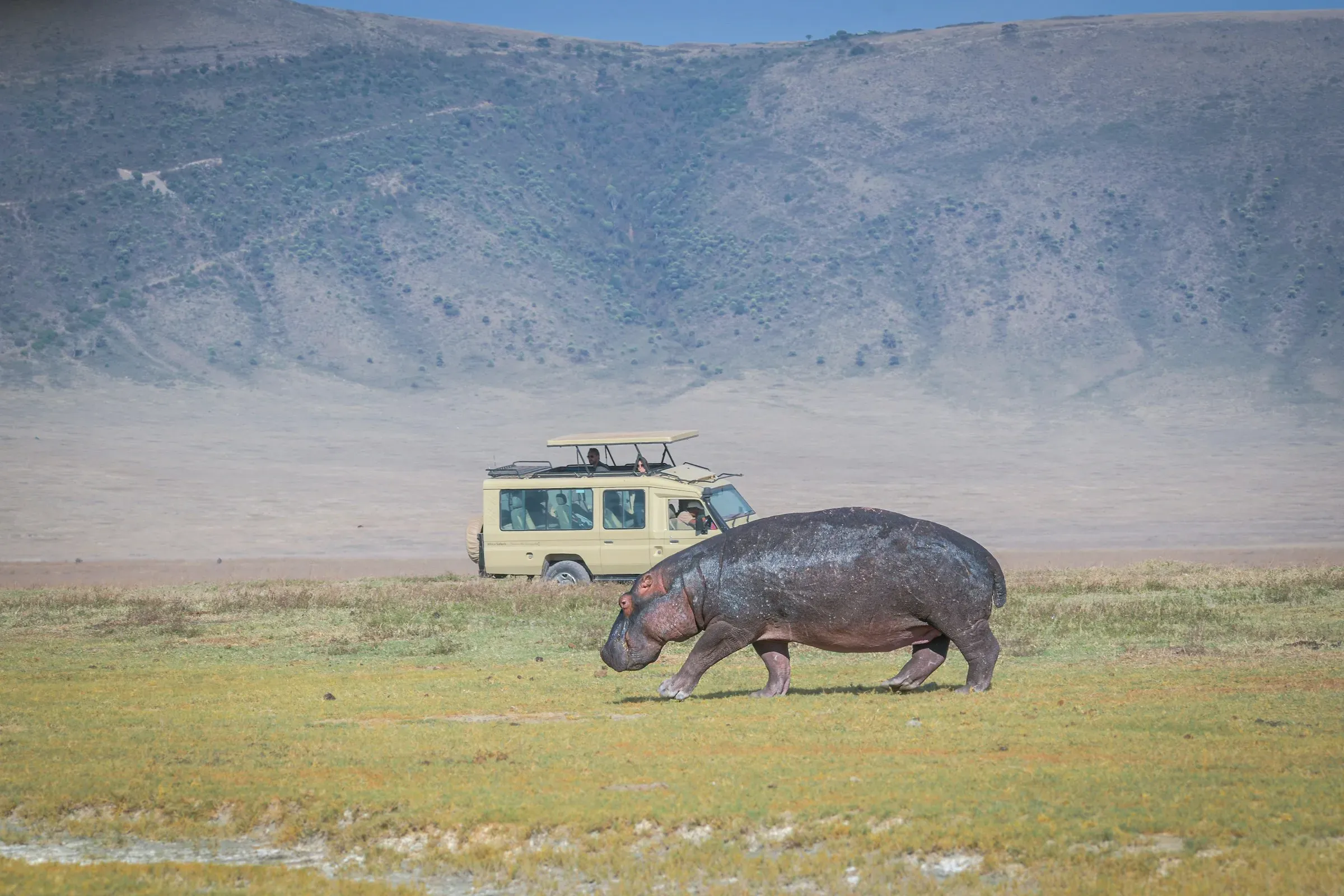
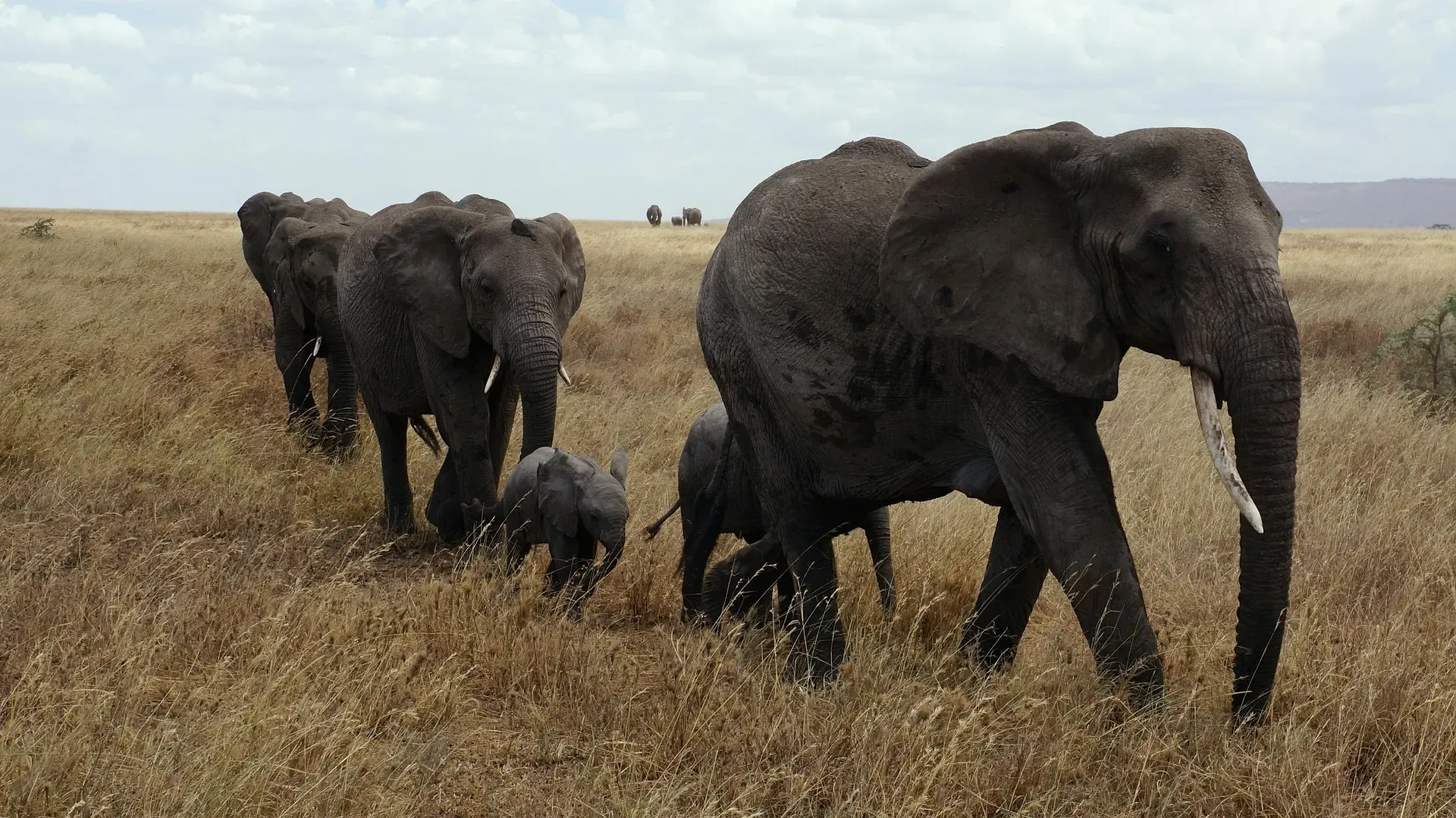
Because Mikumi shares an unfenced southern boundary with Nyerere National Park, elephants, buffalo, and predators move freely across a 50,000+ km² wilderness while concentrating onto the flat Mkata plains for effortless viewing.
| Park zone | Terrain | Top sightings |
|---|---|---|
| Mkata Floodplain | Open black-cotton grassland dotted with Borassus palms, baobabs, and tamarinds. | Lion prides on termite mounds, elephant families, zebra, wildebeest, impala, and large herds of eland. |
| Mkata & Chamgore Hippo Pools | Permanent waterholes 5 km north of the main entrance gate. | Close-range hippos, basking Nile crocodiles, open-billed storks, hammerkops, and late-afternoon drinkers. |
| Southern & Eastern Miombo Hills | Brachystegia woodland rising toward the Uluguru and Rubeho foothills. | Graceful sable antelope, Lichtenstein’s hartebeest, greater kudu, yellow baboons, and African wild dogs. |
Mikumi’s location right beside the Eastern Arc rainforest makes bush-plus-waterfall itineraries effortless.
01Follow Kizorobi, Chamgore, and Mkata River circuits when golden light hits the Uluguru mountain wall behind browsing giraffes and buffalo.
 02
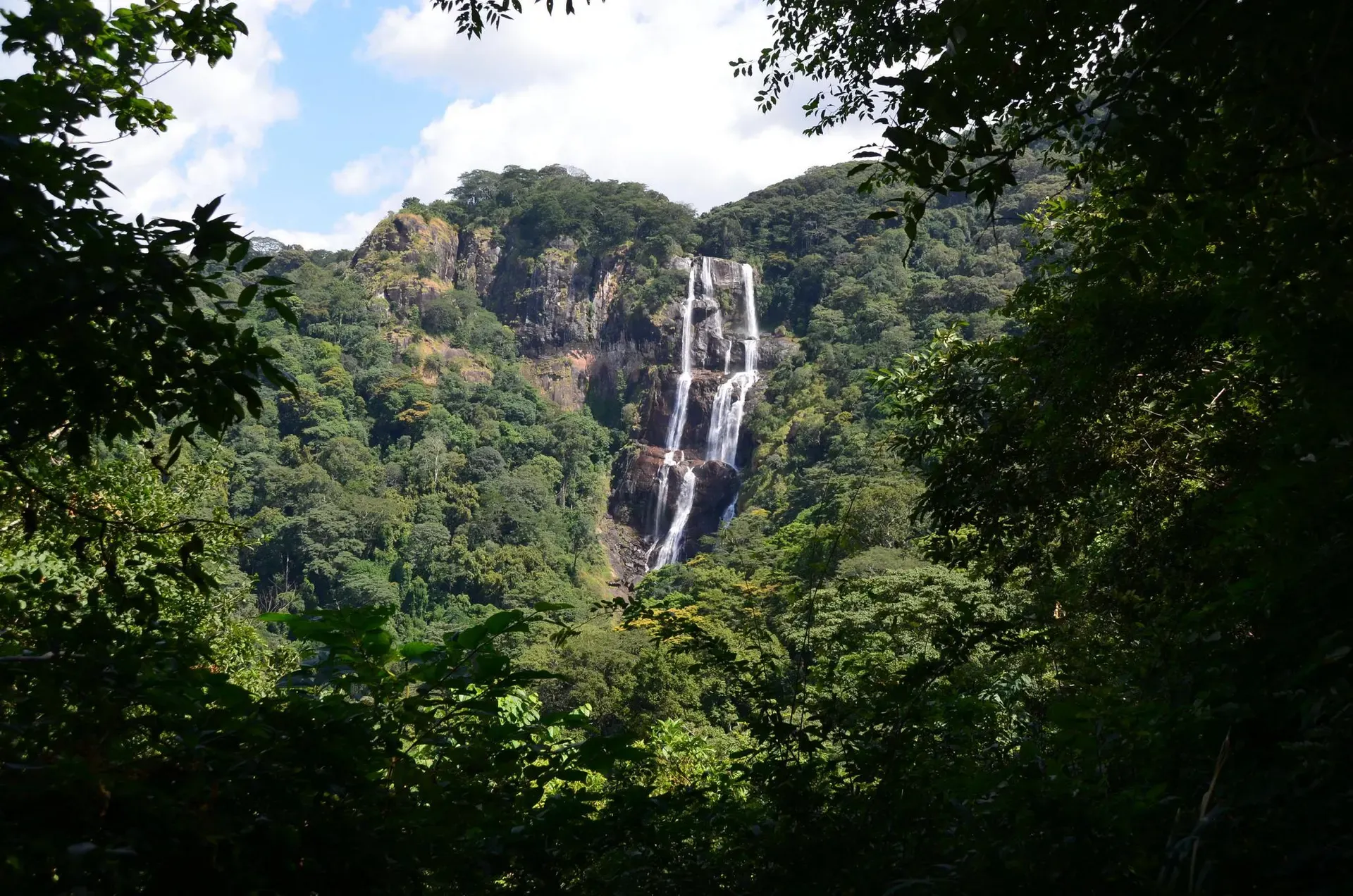
Swap your 4×4 for hiking boots just 65 km away in Udzungwa Mountains National Park — swim below the 170 m Sanje Falls and track endemic monkeys.
03Stretch your legs on ranger-led morning walks learning spoor, medicinal miombo trees, termite ecology, and colourful rollers and bee-eaters.
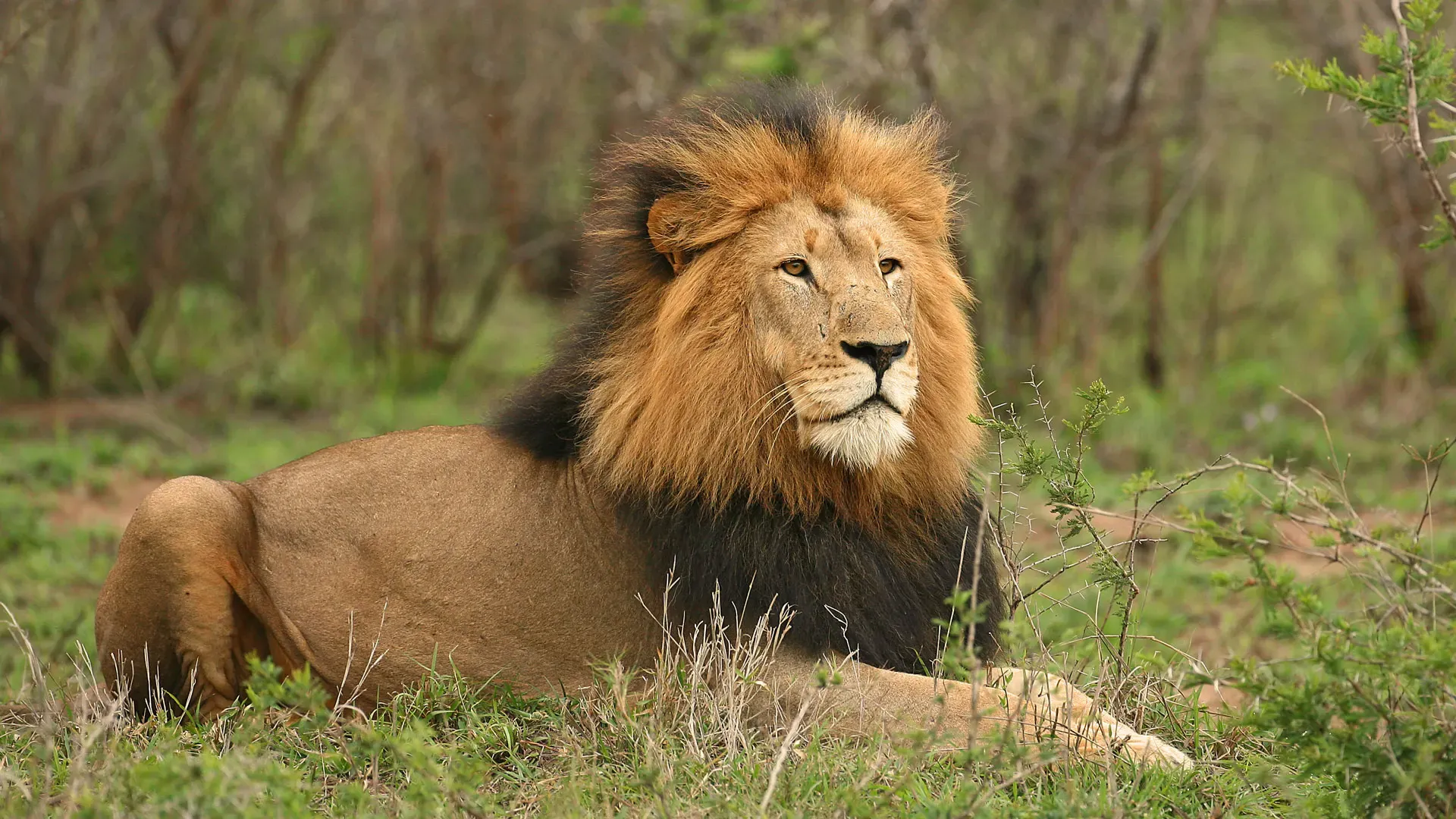
Four of the Big Five (lion, leopard, elephant, buffalo) live in Mikumi — rhinos are absent — alongside southern savanna antelopes like Lichtenstein’s hartebeest, sable, and impressive herds of giant eland.
Census data reference: Encyclopaedia Britannica & TANAPA — Mikumi National Park ↗
Open Mkata Floodplain loops within minutes of Kikoboga.
Mkata and Chamgore hippo pools plus floodplain wallows.
Prides scan herds from elevated termite mounds and shade trees along the Mkata River.
Open grasslands bordering miombo edges.
Wooded southern hills; pair with Ruaha for deeper predator tracking →
Sighting ratings reflect our Arusha guides’ field experience across seasons, not a guarantee — wild animals move freely.
All-weather main tracks keep northern Mikumi accessible twelve months a year, making it a dependable rainy-season fallback as well as a prime June–October safari.
Short grass and shrinking waterholes pull big herds and lions right onto the Mkata circuit.
Dramatic emerald backdrops against the Uluguru Mountains and over 400 bird species including European rollers and bateleur eagles.
Black-cotton side tracks get muddy, though central loops and hippo pools remain open.
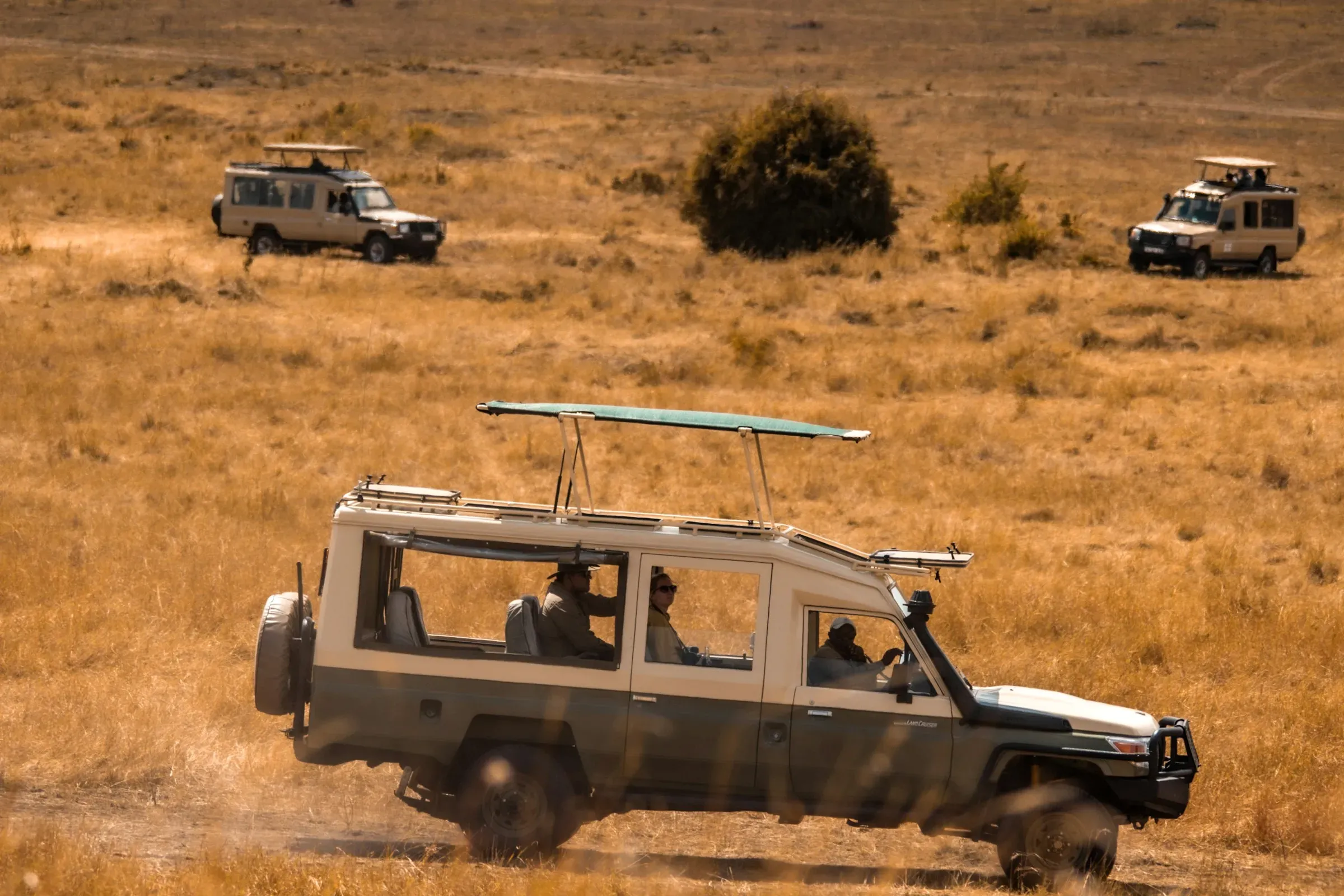
By road from Dar es Salaam, drive 285–300 km west via Morogoro (4 to 5 hours) — or ride Tanzania’s modern electric Standard Gauge Railway (SGR) from Dar es Salaam to Morogoro in ~95 minutes where your private 4×4 guide meets you for the final 1.5-hour drive.
Daily scheduled and charter flights also fly directly from Zanzibar and Dar es Salaam into Kikoboga Airstrip inside Mikumi in roughly 55–65 minutes.
Mikumi is an off-the-beaten-track wilderness arranged around bush flights, ranger permits, and your exact travel dates. Tell us when you want to travel and Deus and our Arusha team will build a private route for you within 24 hours.
Yes! Morning light-aircraft flights connect Zanzibar directly to Kikoboga Airstrip inside Mikumi in about an hour, making a 2- or 3-day safari break from the beach straightforward.
Tanzania’s A7 trunk highway to Iringa and Zambia crosses 50 km of the park, dividing the open north-western Mkata Floodplain (where almost all game drives take place) from the quiet wooded hills in the south-east.
Mikumi is quicker by paved road (or SGR train + road) and offers wide open plains with mountain backdrops. Nyerere (Selous) is larger and wilder, adding Rufiji River boat safaris and African wild dogs. Combining both — or pairing Mikumi with Udzungwa Mountains — works brilliantly.
No, rhinos are no longer present in Mikumi. You have strong odds of seeing elephant, buffalo, lion, giraffe, hippo, zebra, wildebeest, and giant eland.
Send us your travel dates and starting city (Dar es Salaam, Zanzibar, or Arusha) via our Trip Planner or WhatsApp — we build private daily departures linking Mikumi with Udzungwa, Ruaha, or Nyerere.
Road distances, seasonal windows, and sighting notes come from our own Arusha guides on the ground. Last reviewed November 2026.