 01
Northern loop
Lemiyon & Matete Baobab Valley
Rolling hills studded with giant Adansonia digitata baobabs and sweeping views over the Tarangire River bend — prime lion, leopard, and elephant territory.
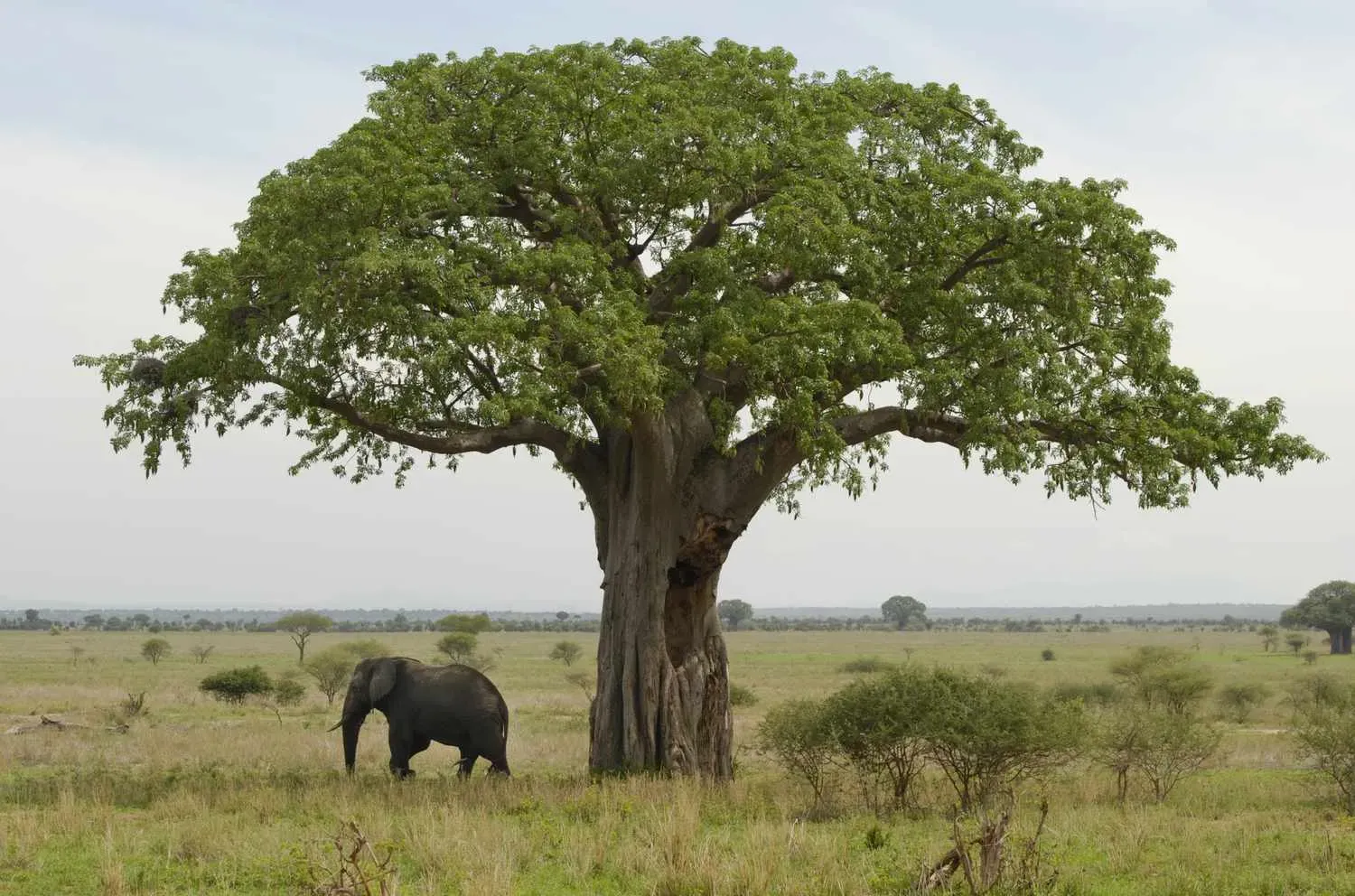
Giant baobab silhouettes, 300-strong elephant herds, and the lifeline Tarangire River
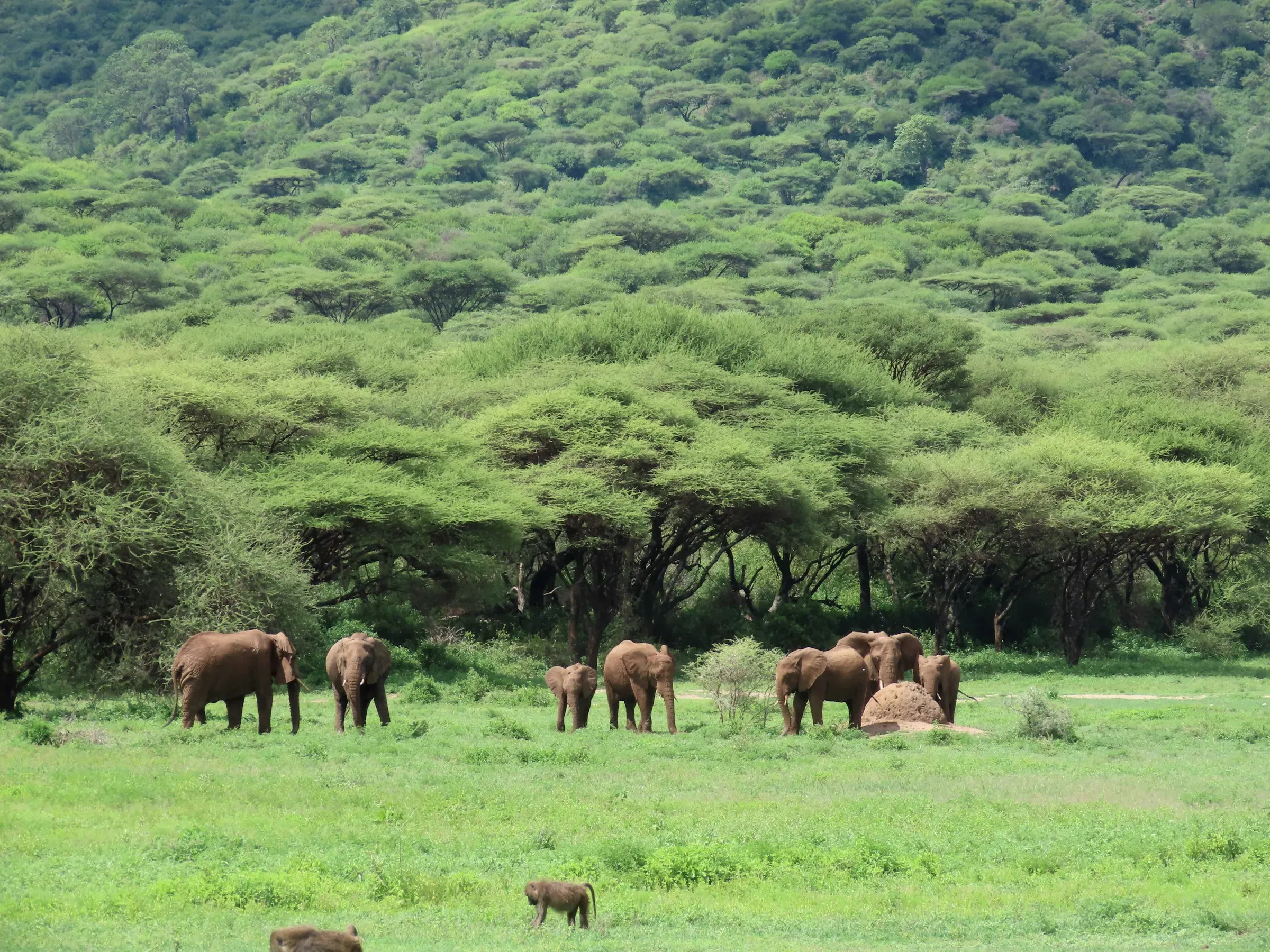
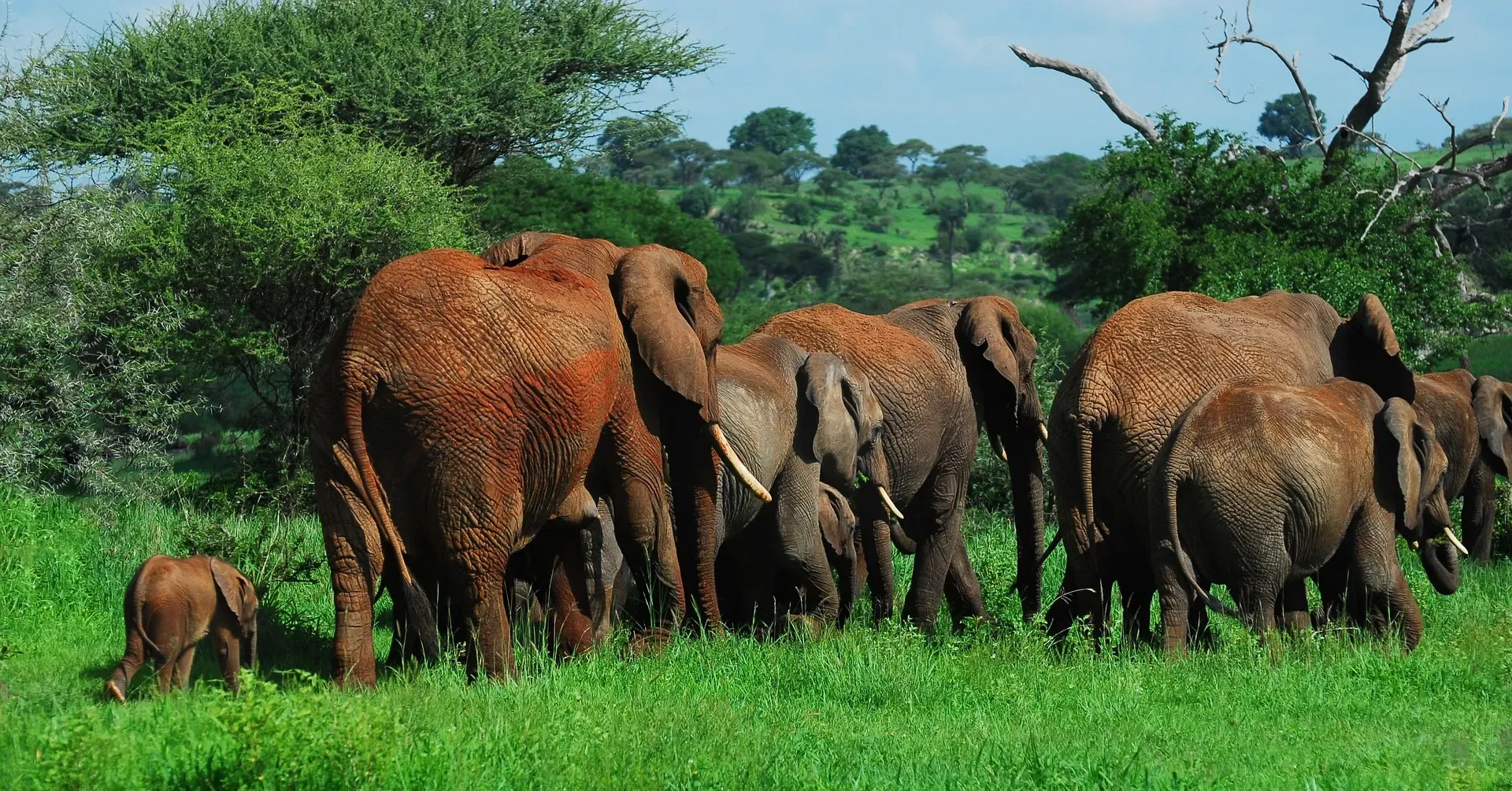
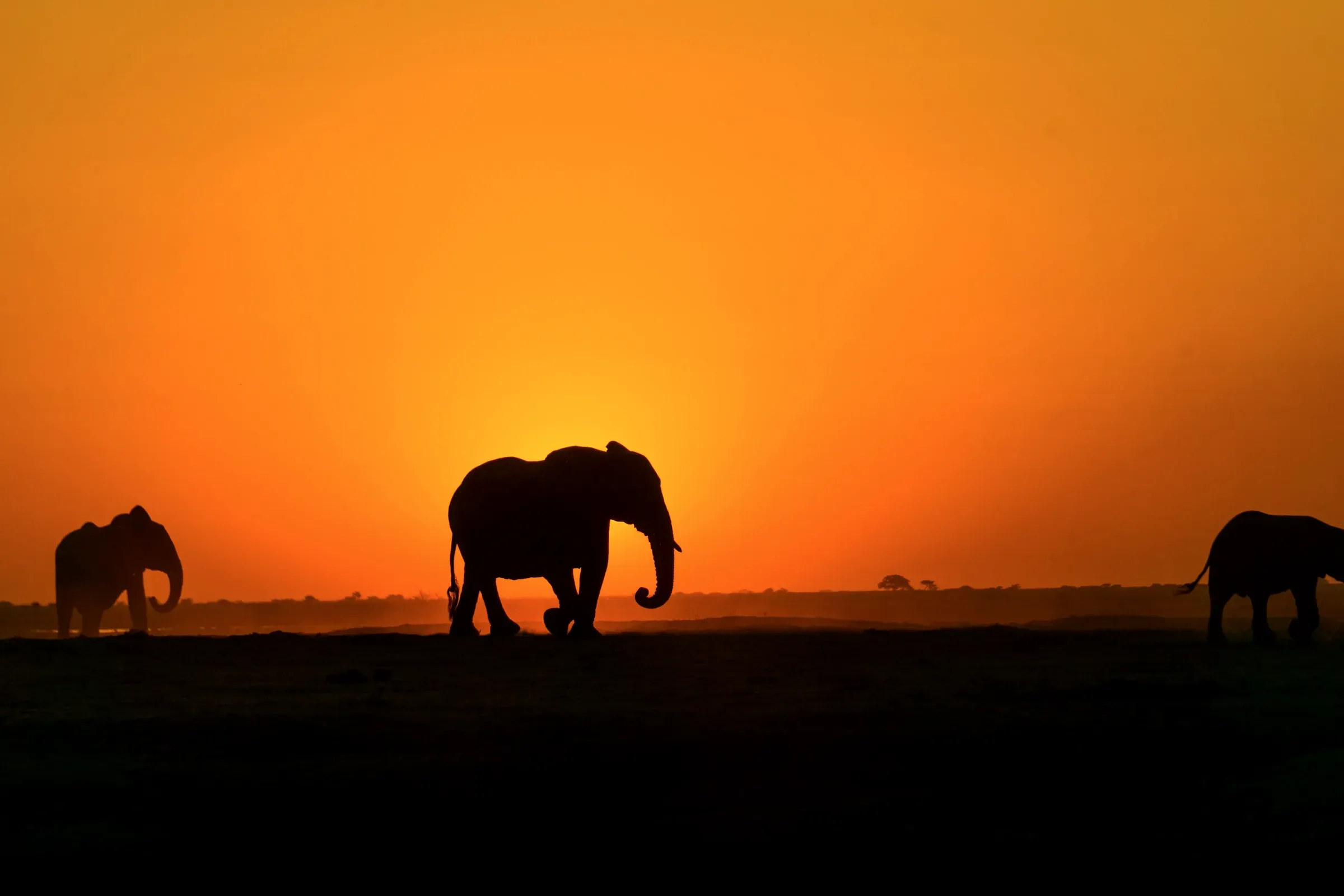
Just two hours south-west of Arusha, Tarangire delivers northern Tanzania’s highest concentration of elephants, cathedral-like baobab trees over a thousand years old, and quieter tracks than its famous neighbours.
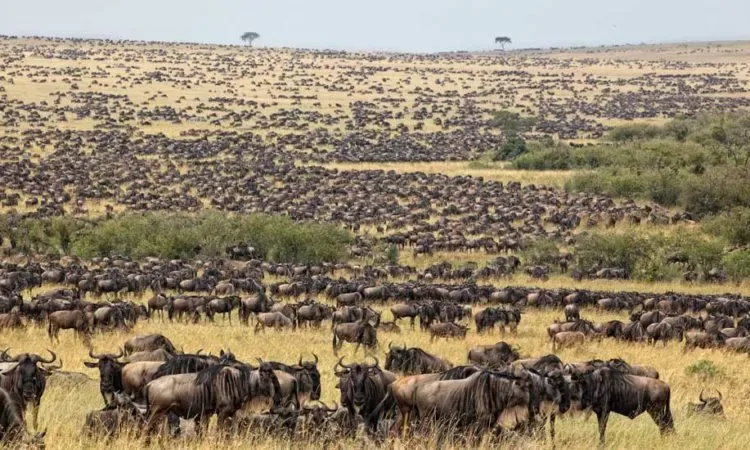
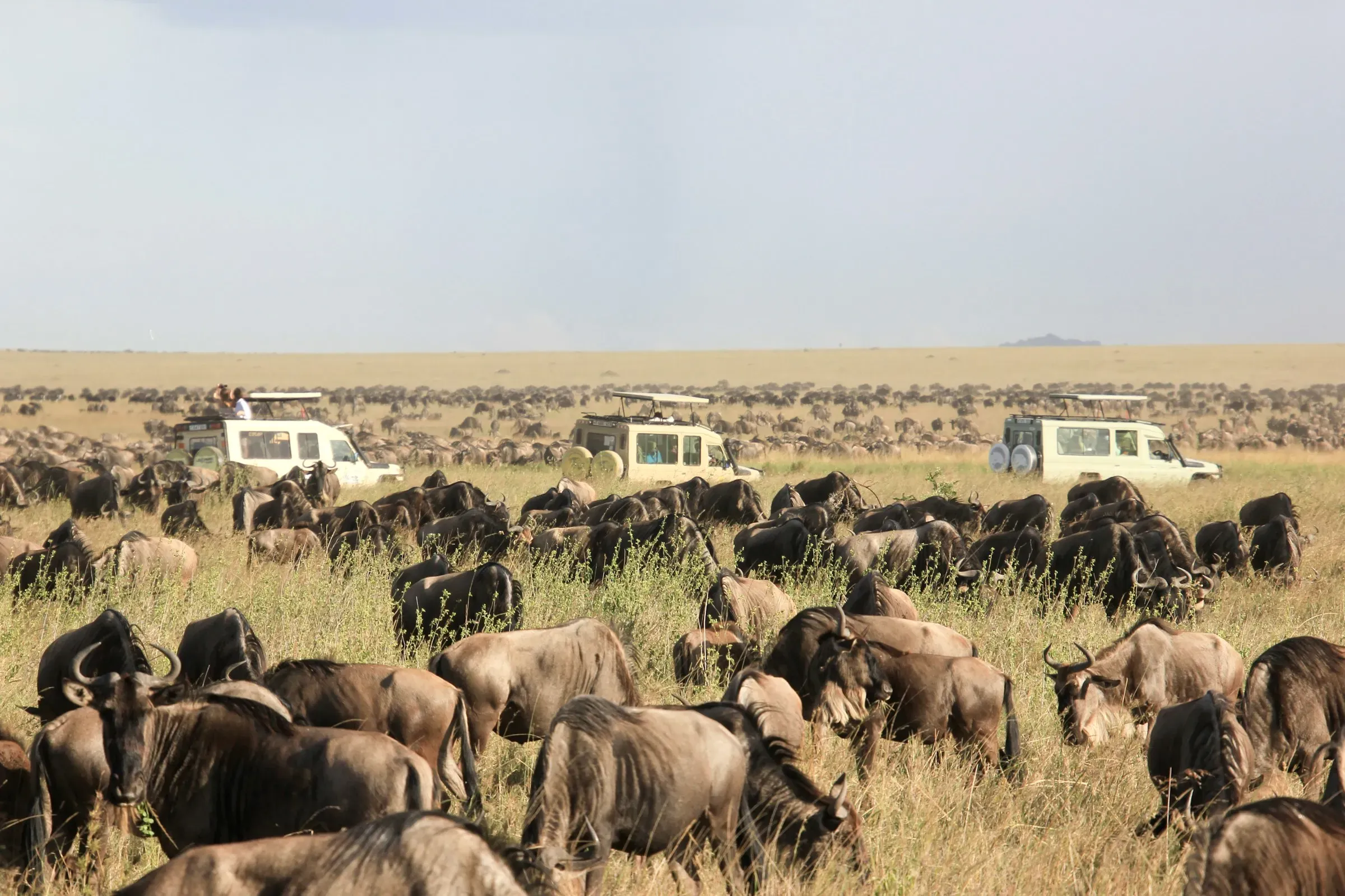
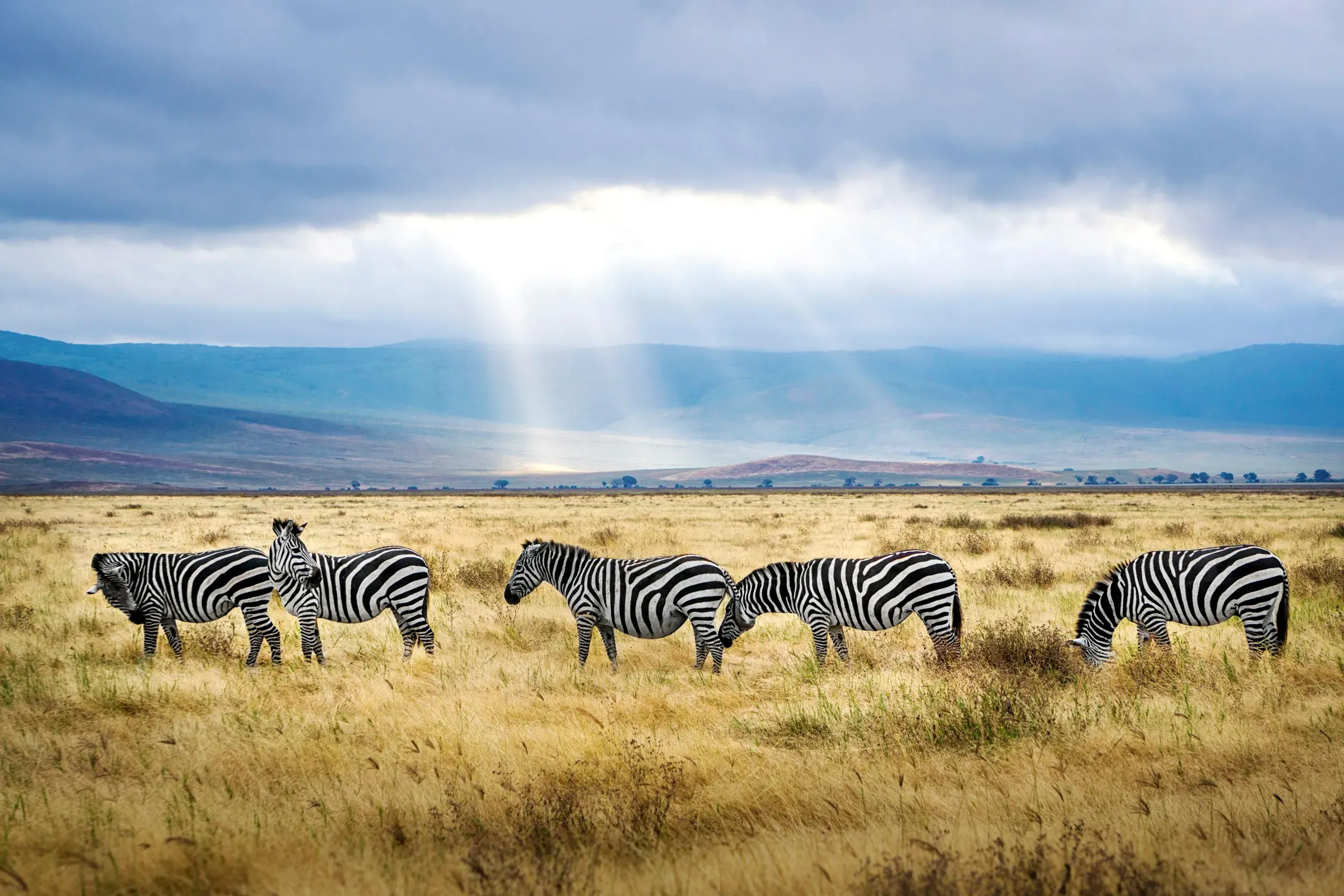
Tarangire National Park covers 2,850 km² of rolling acacia woodland, giant baobab groves, and seasonal Silale swamps south-east of Lake Manyara. Established in 1970, it hosts its own dry-season migration from June to October, when over 3,000 elephants and tens of thousands of zebra, wildebeest, and buffalo crowd the permanent Tarangire River.
Tarangire takes its name from the Tarangire River, derived from Mbugwe words tara (“river”) and ngire (“warthog”) — “the river of warthogs.”
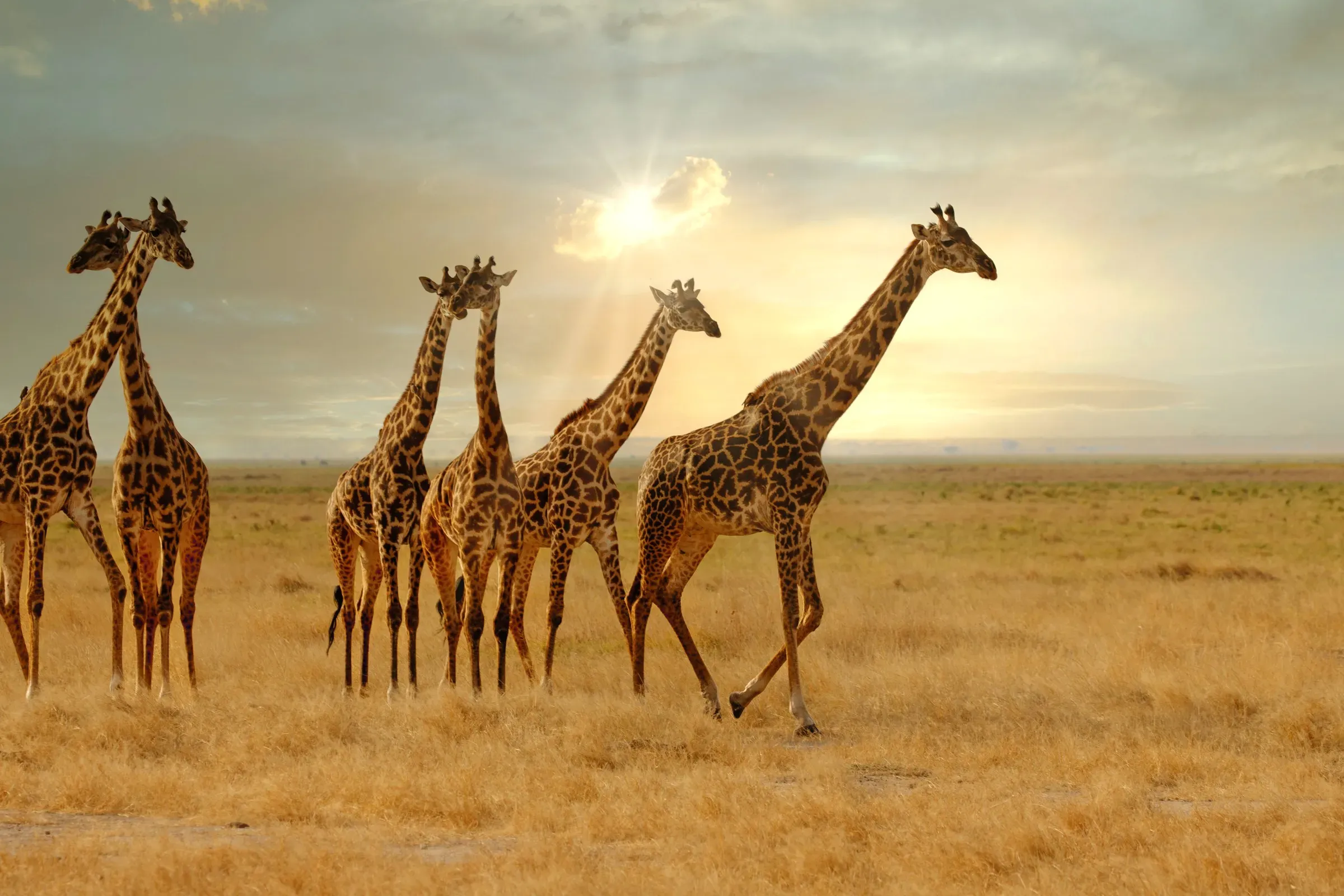
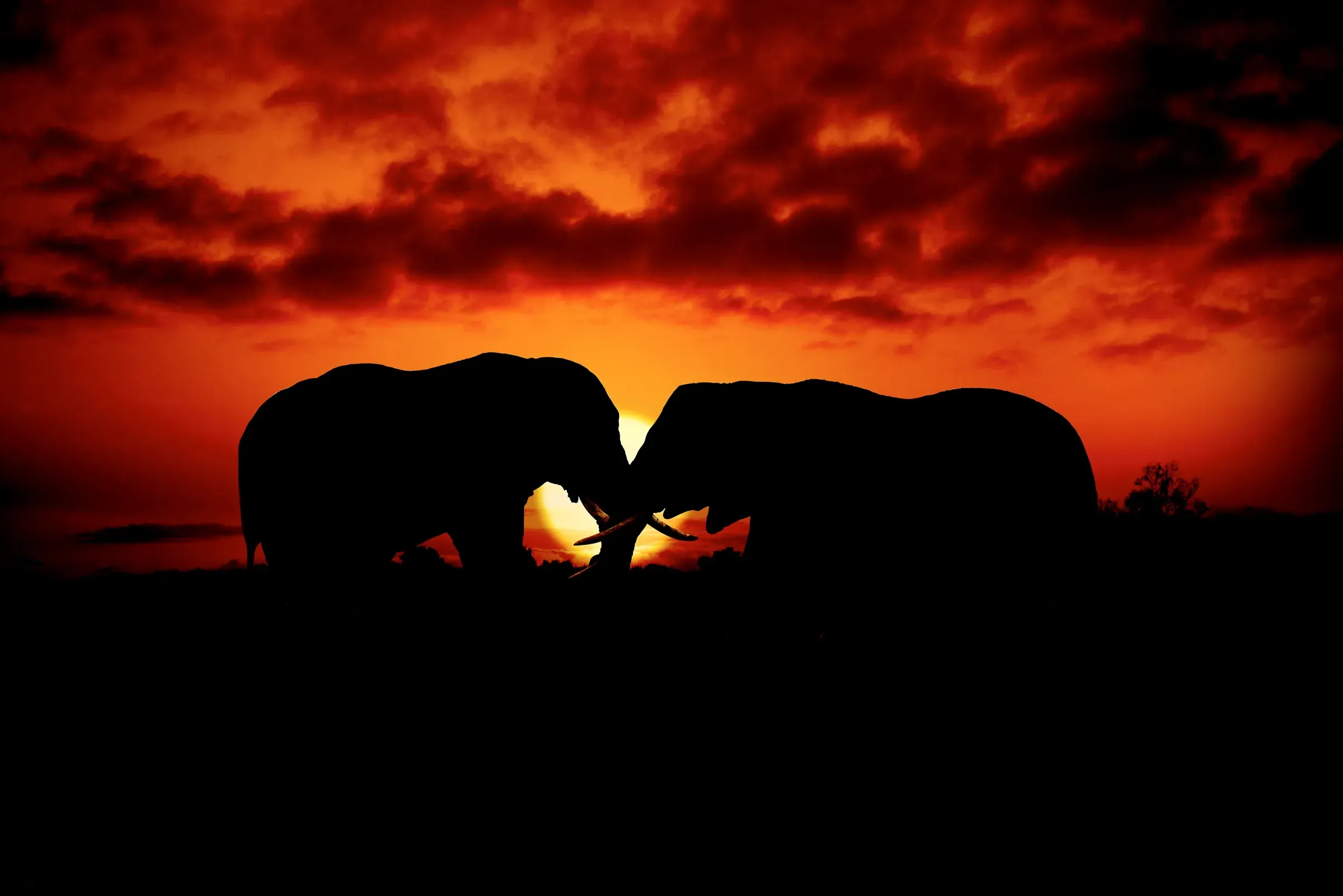
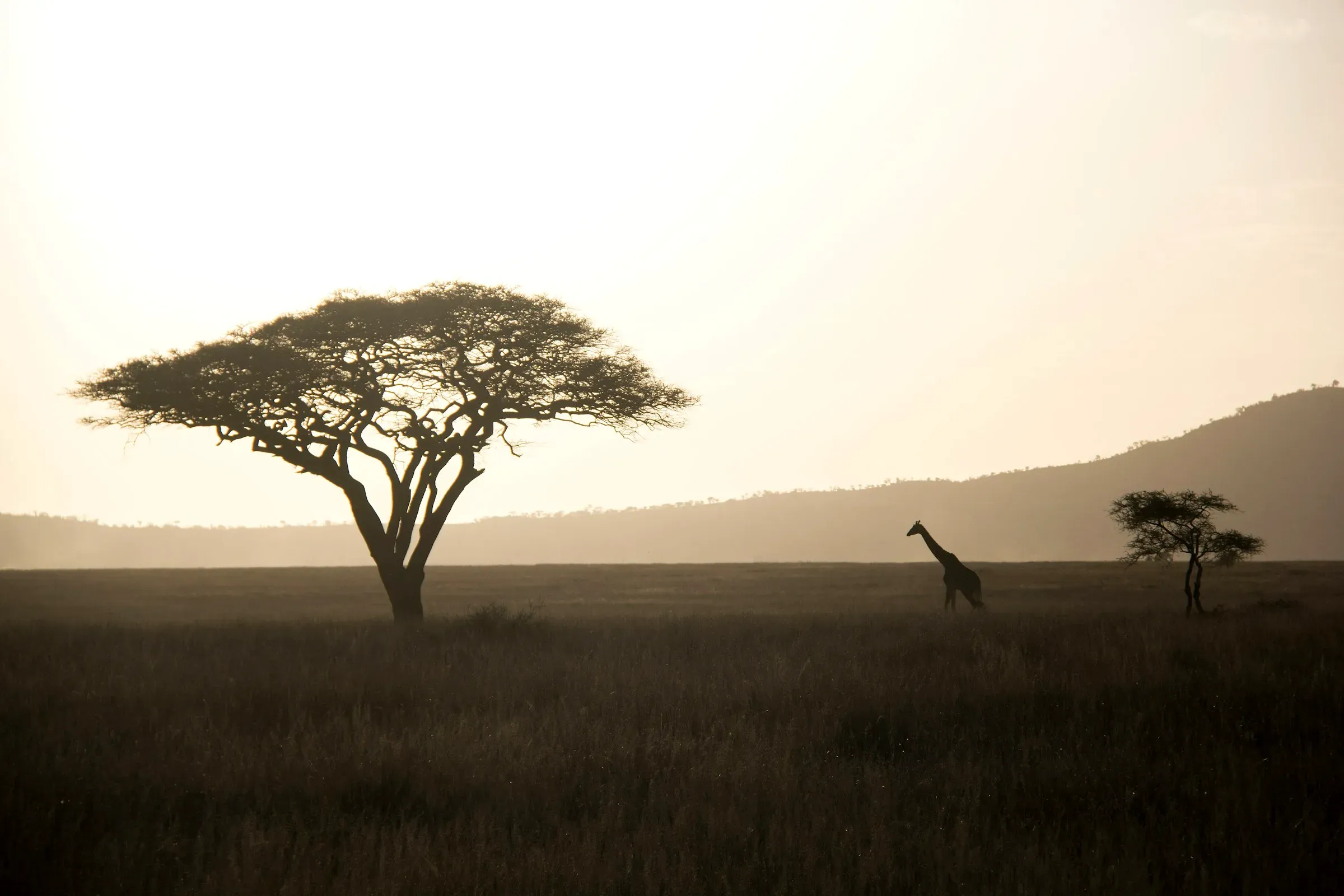
When June dries out the surrounding Maasai Steppe, the Tarangire River becomes the only reliable water for thousands of square kilometres. Wildlife funnels into the river valley until October — creating northern Tanzania’s densest mammal concentrations outside the Ngorongoro Crater.
| Feature | Tarangire National Park | Lake Manyara National Park |
|---|---|---|
| Signature scenery | Red-earth ridges, monumental baobab trees, sandy riverbeds, and green Silale marshes. | Lush groundwater mahogany forest under a 400 m Rift Valley wall and alkaline soda lake. |
| Elephant viewing | Exceptional — herds of 50 to 300 dig dry sand beds for water from June to October. | Close-range forest family groups year-round. |
| Rare specialists | Fringe-eared oryx, long-necked gerenuk, yellow-collared lovebird, and African rock python. | Blue monkeys, large olive baboon troops, silvery-cheeked hornbills, and flamingos. |
| Ideal timing | June to October is unmissable; quieter in green season when herds disperse onto the steppe. | Consistent year-round stop right below Karatu and Ngorongoro. |
Day-trippers rarely venture beyond the northern river loop. Spending a second night lets you drop south into marshes where you may have major sightings completely to yourself.
01Rolling hills studded with giant Adansonia digitata baobabs and sweeping views over the Tarangire River bend — prime lion, leopard, and elephant territory.
 02
Vast emerald sponge marshes that hold water long into the dry season, attracting huge buffalo herds, elephants waist-deep in sedge, and tree-resting pythons.
03Unlike Serengeti’s core zones, Tarangire and bordering Randilen WMA permit guided bush walks and spotlight night drives for porcupine, civet, genet, and leopard.
Tarangire bridges moist savanna and dry Somali-Maasai bushland, rewarding visitors with dry-country antelopes rarely seen in the Serengeti plus more breeding bird species than any single habitat in Tanzania.
Census data reference: Encyclopaedia Britannica & TANAPA — Tarangire National Park ↗
Along the Tarangire River sandbanks and baobab ridges within 30 minutes of the gate.
Drinking in long dusty queues along the river loop between 11:00 and 15:00.
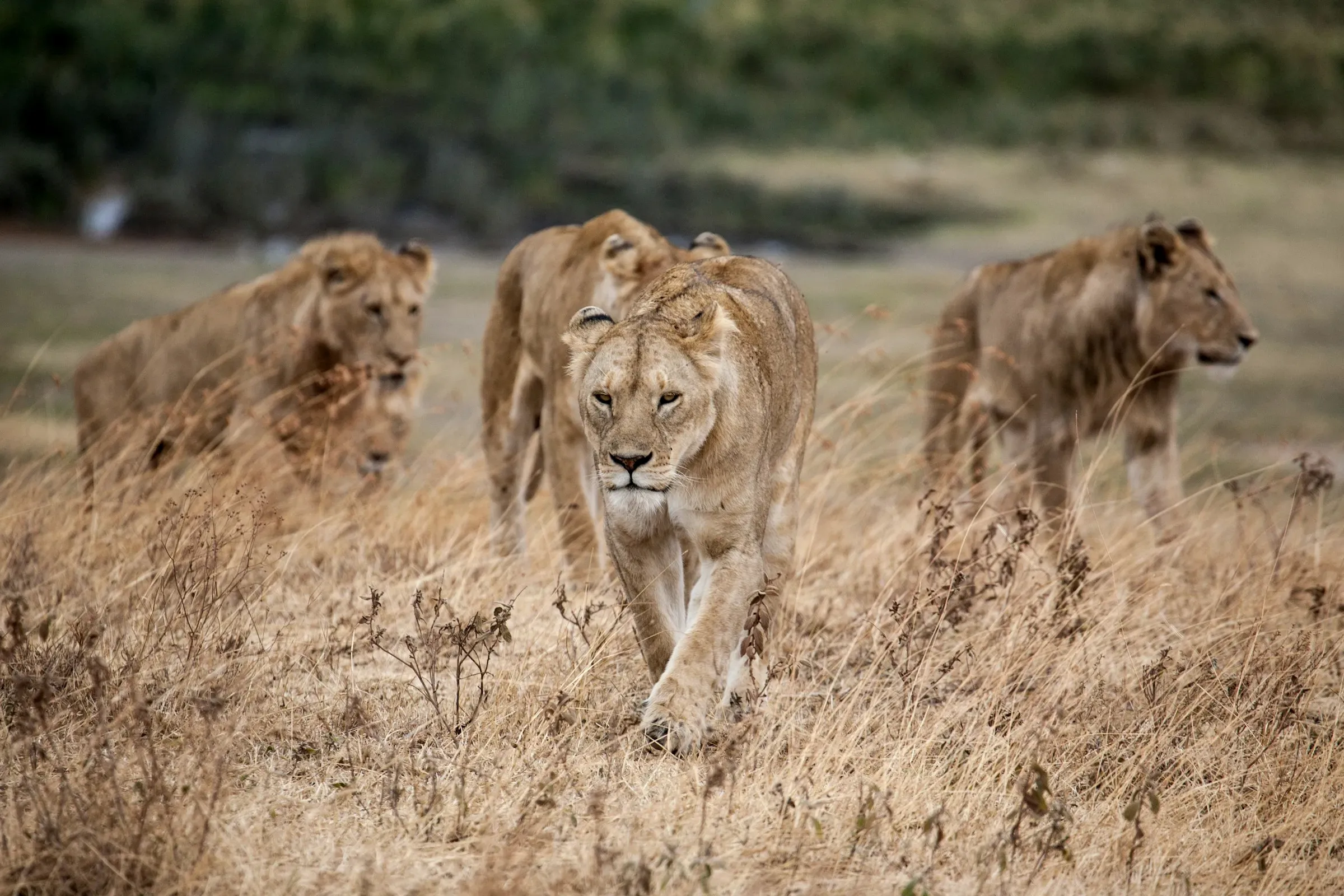
Shaded riverbanks and occasionally sprawled on low sausage-tree limbs.
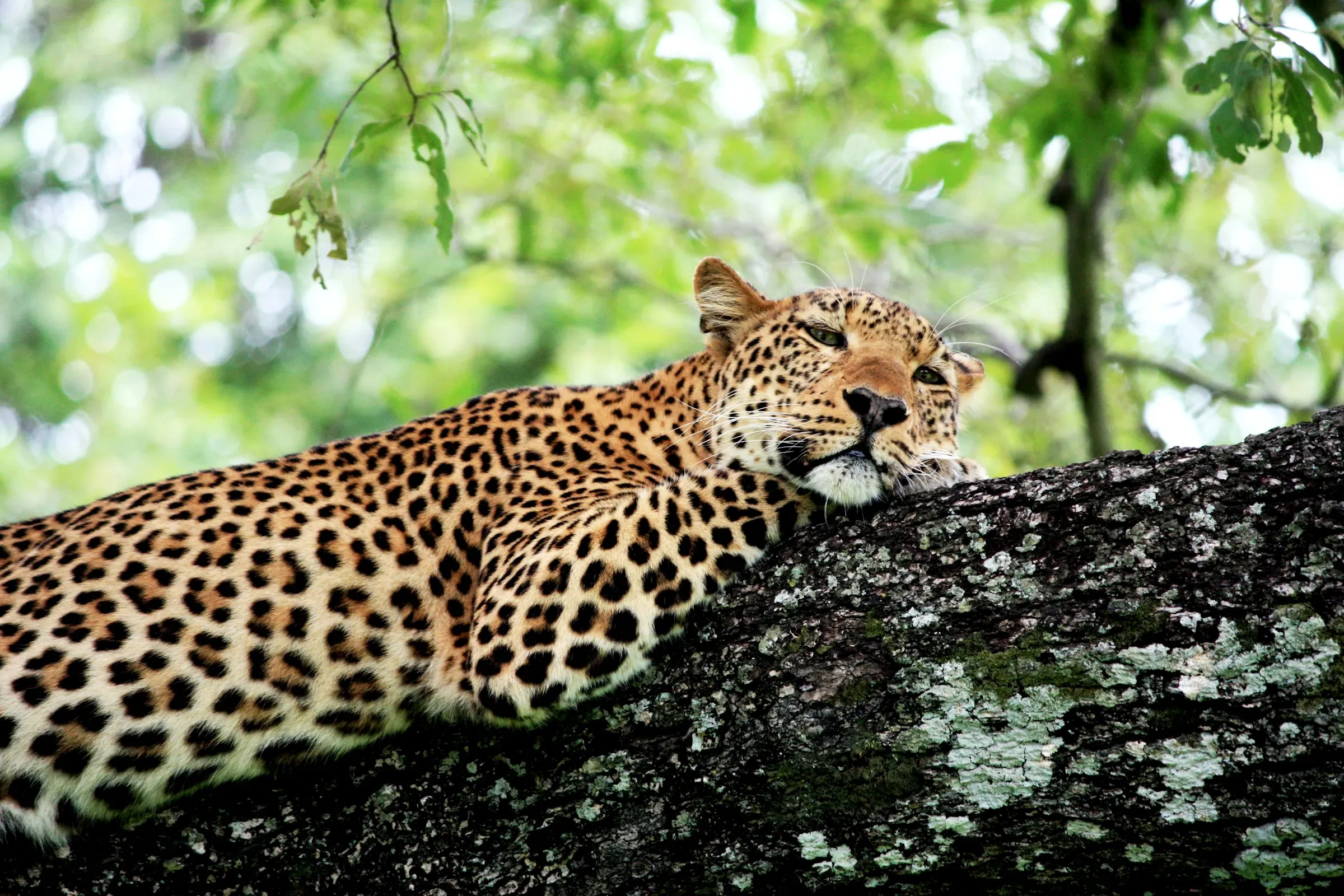
Leopards in riverine figs; pythons coiled in acacia branches bordering Silale Swamp.
Drier southern scrub and Kitibong hills; also seen in Mkomazi National Park →
Sighting ratings reflect our Arusha guides’ field experience across seasons, not a guarantee — wild animals move freely.
Keep binoculars ready for three species found nowhere outside Tanzania: the yellow-collared lovebird, the rufous-tailed weaver, and the ashy starling — all common around Tarangire picnic sites.
Tarangire shows the sharpest seasonal contrast on the Northern Circuit because migratory herds leave the park when November rains refill waterholes across the Maasai Steppe.
Unbeatable elephant and predator action along the shrinking river. August to October delivers the largest elephant gatherings of the year.
Baobabs leaf out, 550+ bird species are in breeding plumage, resident elephants remain, and tracks are peaceful.
Tall grass and muddy southern tracks; northern tarmac access remains easy for lush landscape photography.
Tarangire’s main gate sits just 120 km (2 to 2.5 hours) south-west of Arusha along the paved Dodoma highway via Makuyuni, making it the smoothest opening park on any Northern Circuit safari — you are watching elephants before mid-morning on Day 1.
From Tarangire, it takes roughly 1.5 hours to Lake Manyara / Mto wa Mbu and 2 hours up the escarpment to Karatu and Ngorongoro. Kuro Airstrip in the centre of the park handles daily scheduled light-aircraft hops to Arusha and the Serengeti.
From June to October, Tarangire is almost always the stronger choice thanks to enormous elephant herds along the Tarangire River and iconic baobab landscapes. From November to May, both parks are lush and scenic; Manyara adds Rift Valley forest primates and a canopy walkway.
Wooded parts of Tarangire have tsetse flies, which are visually drawn to royal blue and black fabrics. Wearing light khaki, sand, olive, or stone-coloured long sleeves keeps you far more comfortable.
Yes — Tarangire is one of the few Northern Circuit national parks permitting ranger-escorted walking safaris and spotlight night drives (both arranged in advance or via adjacent wildlife management areas like Randilen).
Yes! Although Lake Manyara made the behaviour famous, prides in Tarangire and Central Serengeti also rest on low horizontal limbs of sausage trees and acacias to catch breezes and escape biting flies.
Tarangire Gate is about 120 km (2 to 2.5 hours) from Arusha on good tarmac, and about 2 hours southeast of Karatu and the Ngorongoro Conservation Area gate.
Road distances, seasonal windows, and sighting notes come from our own Arusha guides on the ground. Last reviewed November 2026.