 01
Half- or full-day walk
Kitulo Botanical Meadow Walks
Stroll with a specialist TANAPA botanist-ranger across rolling valleys packed with wild orchids, irises, lilies, and endemic butterflies.
High-altitude montane meadows carpeted with 45 wild orchid species at 2,600 metres
Known locally as Bustani ya Mungu (“The Garden of God”) and celebrated by botanists as the “Serengeti of Flowers,” Kitulo swaps 4×4 lion chases for high-mountain hikes through wild orchids, red-hot pokers, giant lobelias, and rare highland birds above Lake Nyasa.
Kitulo National Park protects 412.9 km² of montane grassland and Livingstone forest at ~2,600 metres (8,500 ft) between the Kipengere and Poroto peaks in Tanzania’s Southern Highlands near Mbeya. Gazetted in 2005 as the first national park in tropical Africa created primarily for its flora, it harbours 350+ vascular plant species — including 45 terrestrial orchids — plus the critically endangered kipunji monkey.
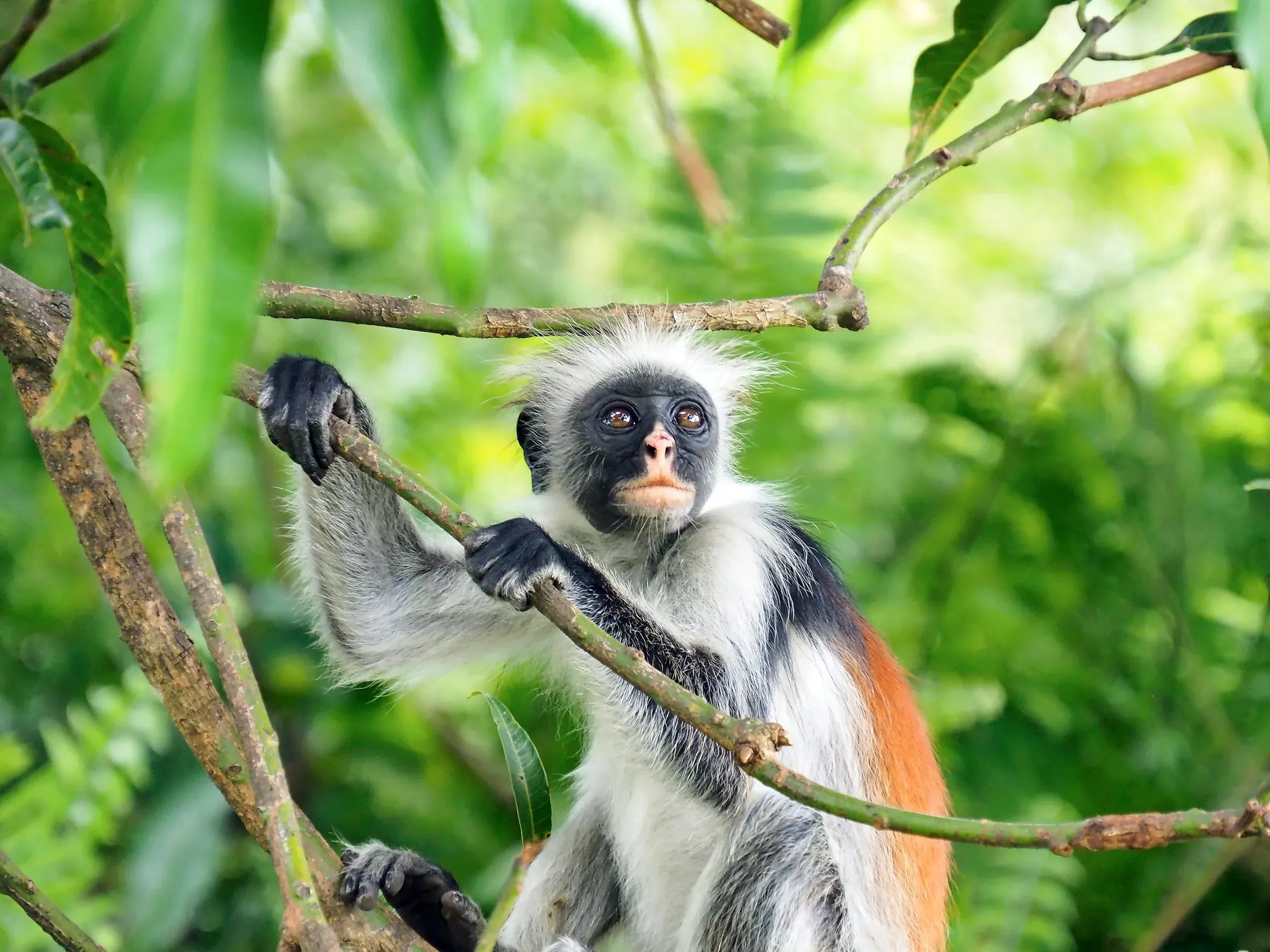
Discovering the highland mangabey kipunji (Rungwecebus kipunji) in Kitulo’s Livingstone Forest and neighbouring Mount Rungwe in 2003–2005 gave science its first new African monkey genus in over 80 years.
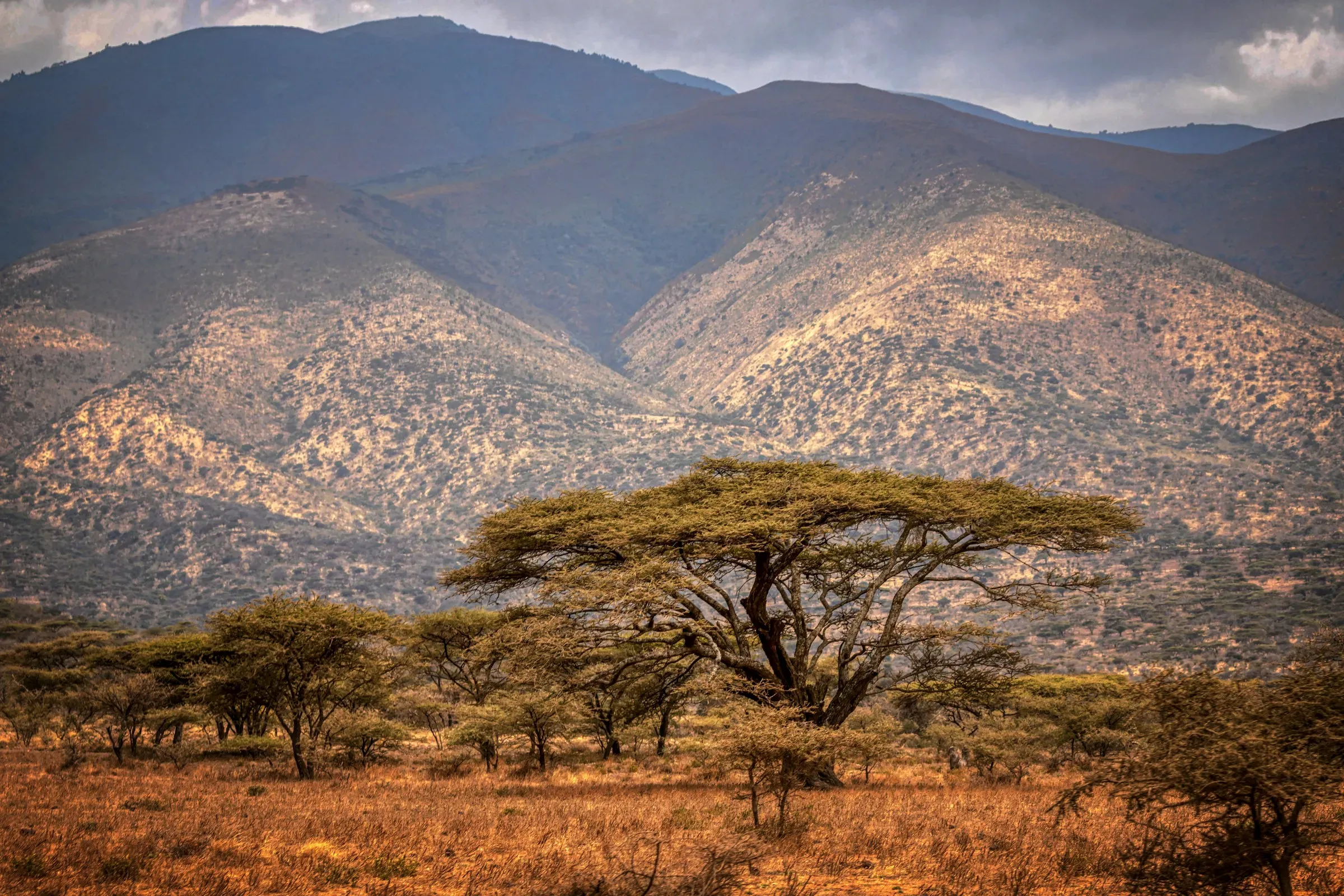
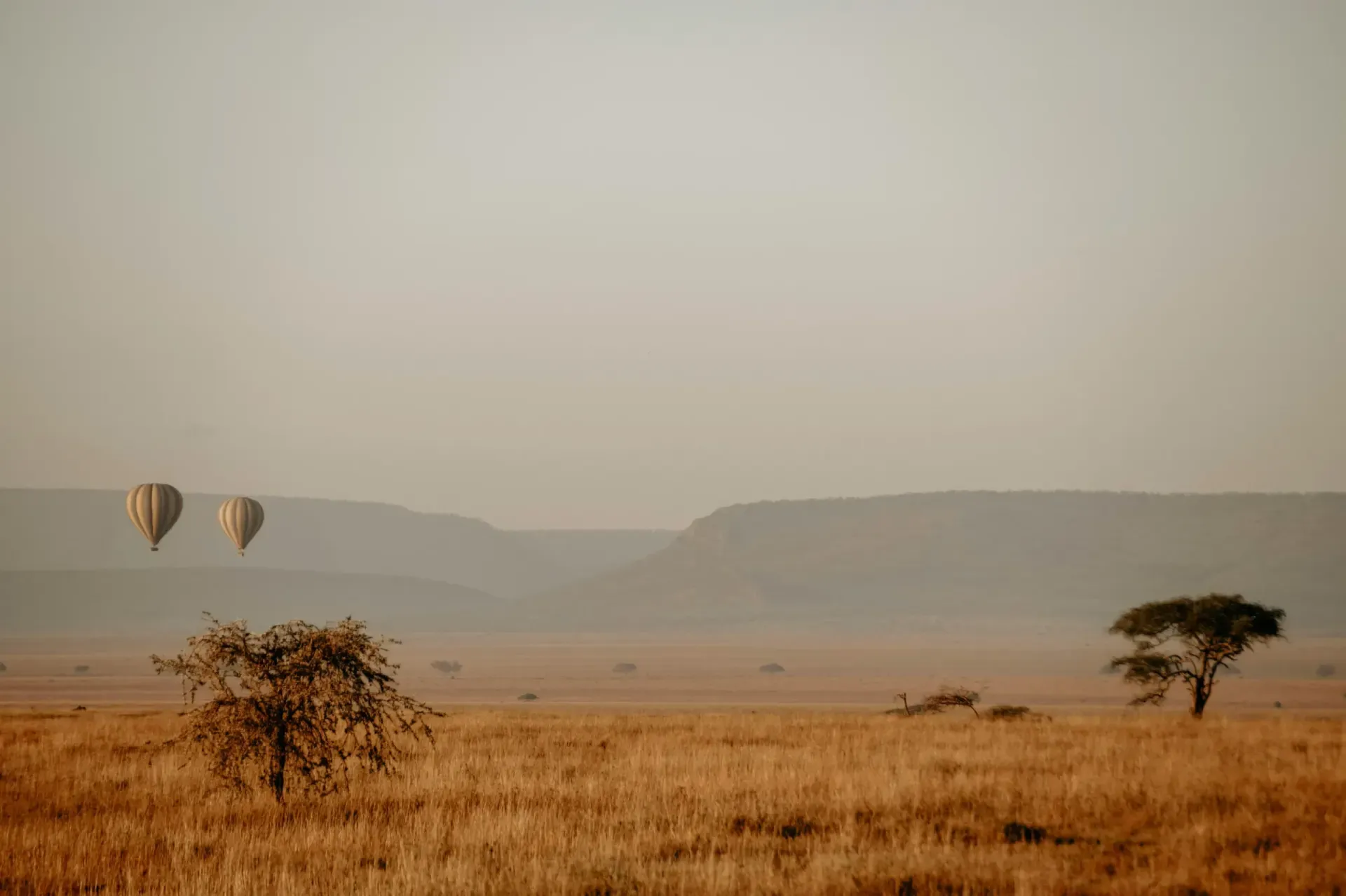
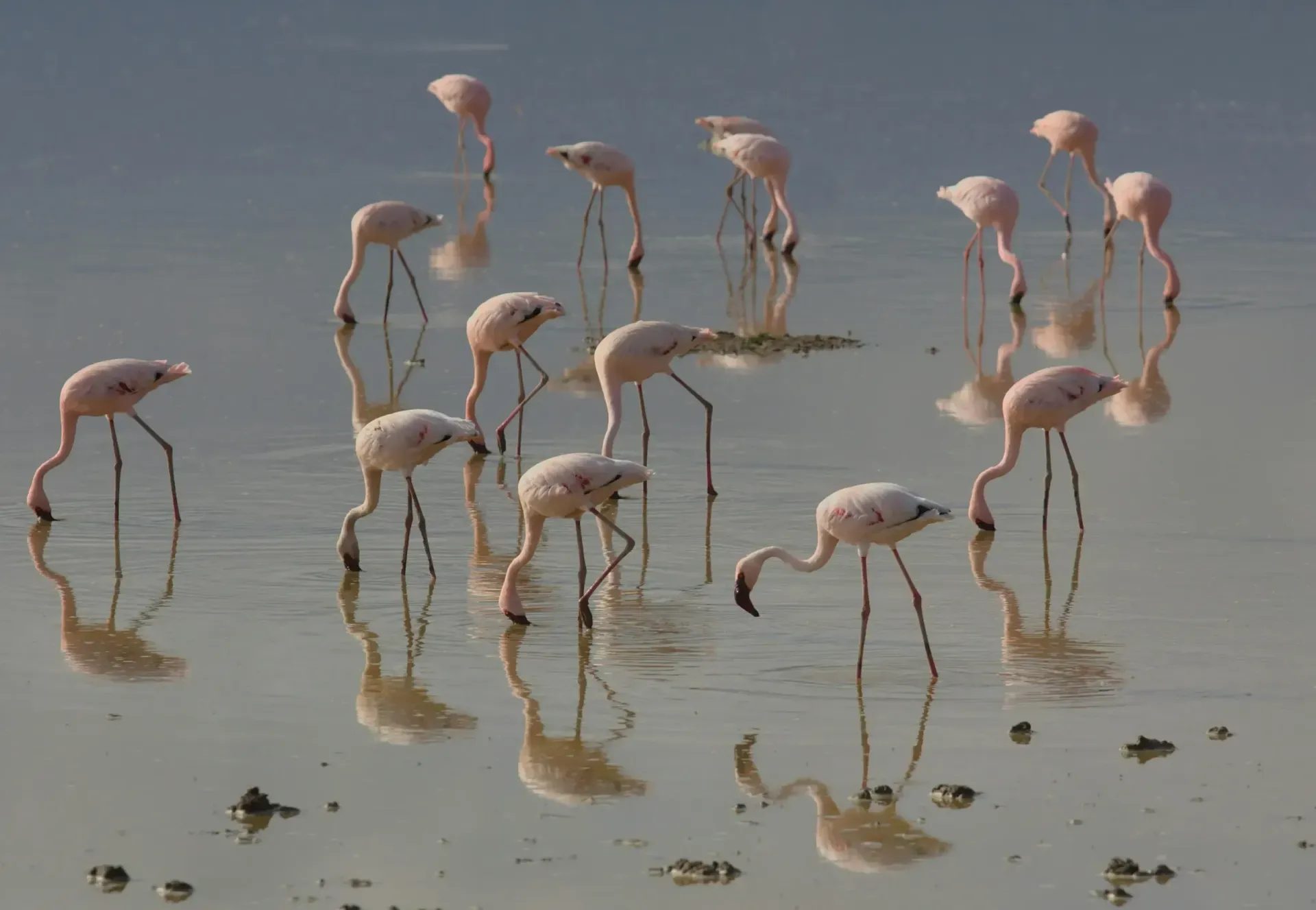
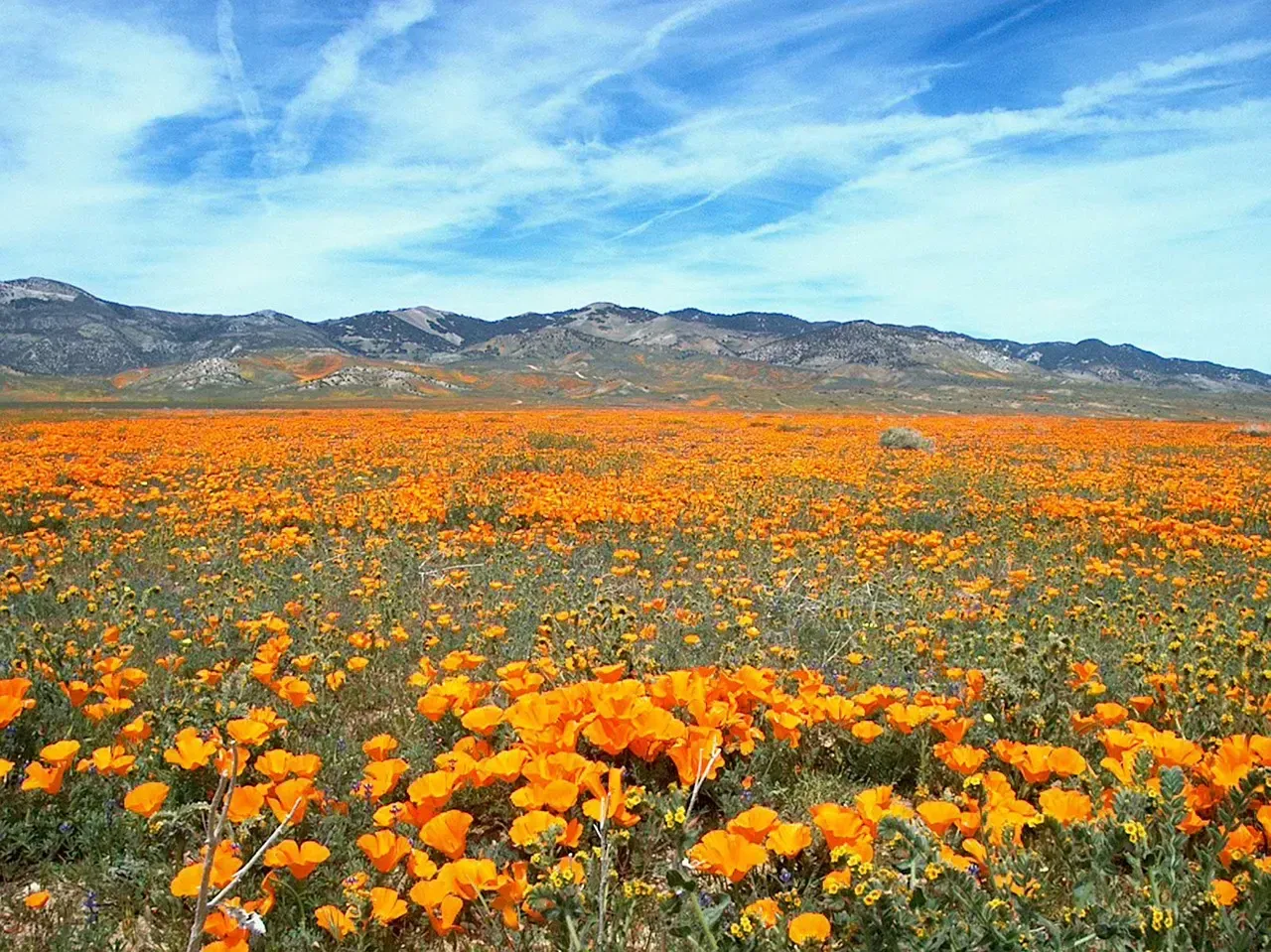
When warm summer rains sweep off Lake Nyasa in late November, brown frost-touched tussocks erupt into waist-high carpets of yellow, magenta, indigo, and scarlet wildflowers stretching from horizon to horizon.
| Months | Plateau conditions | Botanical & wildlife highlights |
|---|---|---|
| December to April | Peak Orchid & Wildflower Season — warm mornings, afternoon mist and showers. | 45 terrestrial Disa, Satyrium, and Habenaria orchids in bloom alongside aloes, proteas, geraniums, giant lobelias, and red-hot pokers. |
| May to August | Cool, crisp winter dry season (night frosts possible at 2,600 m). | Crystal-clear hiking panoramas down to Lake Nyasa and across Mount Rungwe (2,961 m). |
| September to November | Dry-to-spring transition across open rolling downs. | Breeding displays of Denham’s bustard, endangered blue swallows arriving, and forest primate walks. |
Kitulo is a walking park rather than a game-drive park — trails cross gentle rolling turf with 360-degree mountain horizons.
01Stroll with a specialist TANAPA botanist-ranger across rolling valleys packed with wild orchids, irises, lilies, and endemic butterflies.
02Explore mossy upper montane forest on the eastern escarpment — sanctuary of the rare kipunji primate, black-and-white colobus, and endemic chameleons.
03Hike across streams to dramatic highland cascades (100 m Nhumbe Falls) and viewpoints plunging nearly 2,000 m down to turquoise Lake Nyasa.
Large savanna predators do not live on the cold 2,600 m plateau, making open-country hiking relaxed while rewarding naturalists with ultra-rare endemics.
Census data reference: Wildlife Conservation Society (WCS) & TANAPA — Kitulo ↗
Damp meadow hollows and grassland slopes around Matamba and Kitulo Farm.
Tussock grasslands and stream edges across the plateau.
Open rolling downs — Kitulo holds Tanzania’s sole breeding Denham’s bustards.
Rocky grassland ridges and forest-edge shrubs.
Dense Livingstone & Mount Rungwe montane forest; pair with Ruaha for big savanna game →
Sighting ratings reflect our Arusha guides’ field experience across seasons, not a guarantee — wild animals move freely.
Unlike big-game savanna parks that peak in dry July–October, Kitulo’s famous wildflower spectacle peaks during the December–April rains.
Unmissable botanical displays, migrating blue swallows, and lush waterfalls — bring rain shell gear and sturdy waterproof boots.
Flowers fade to golden grass, roads are dry, and views over Mount Rungwe and Lake Nyasa are razor-sharp; nights are frosty.
Fly from Dar es Salaam to Songwe Airport (MBI) near Mbeya (~1 hr 45 min on Air Tanzania or Precision Air). From Mbeya, a 4×4 Land Cruiser climbs roughly 2.5 to 3 hours (75–100 km) either via Isyonje and Kikondo or up the spectacular 57 hairpin bends of the Chimala Escarpment to park headquarters at Matamba.
Accommodation near Matamba and Mbeya consists of simple, welcoming highland guesthouses, farm stays, and public campsites — come for botanical wonder and off-grid highland hospitality rather than luxury bush lodges.
Kitulo is an off-the-beaten-track wilderness arranged around bush flights, ranger permits, and your exact travel dates. Tell us when you want to travel and Deus and our Arusha team will build a private route for you within 24 hours.
No — Kitulo is a high-altitude (2,600 m) botanical, hiking, and birding park with no lions, elephants, or giraffes on the open plateau. Travellers pair 2–3 days hiking among its 45 wild orchid species with a big-game safari in nearby Ruaha National Park.
Early blooms open in late November after the first rains, reaching peak brilliance between January and March and continuing into April.
The kipunji (Rungwecebus kipunji) is a critically endangered highland primate discovered by scientists in 2003 in Kitulo’s Livingstone Forest and adjacent Mount Rungwe — the first new genus of living African monkey identified since 1923.
Sitting at 2,600 metres (8,500 ft), daytime walks are pleasantly cool (14–20 °C), while nights between June and August can drop near freezing (0–5 °C). Bring warm layers in any month.
Take a scheduled domestic flight into Songwe Airport (Mbeya), where our 4×4 driver-guide meets you for the scenic ascent to Matamba, or link overland from Iringa and Ruaha.
Road distances, seasonal windows, and sighting notes come from our own Arusha guides on the ground. Last reviewed November 2026.