 01
Heart of the park
Chada Plain & Ikuu Channel
Tamarind-fringed savanna surrounding seasonal Lake Chada — ground zero for elephant, zebra, giraffe, lion, and jammed Katuma hippo pools.
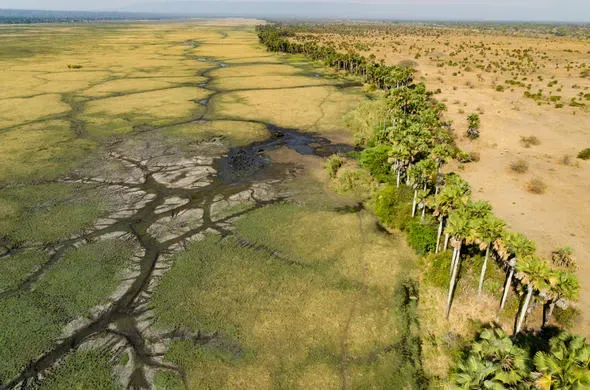
Prehistoric dry-season drama across remote western floodplains where few travellers ever set foot
Fewer visitors enter 4,471 km² Katavi in an entire year than enter Ngorongoro in a single peak morning — yet between August and October its shrinking Katuma River pools compress hundreds of hippos, mud-caved crocodiles, thousand-strong buffalo herds, and opportunistic lions into unforgettable theatre.
Katavi National Park protects 4,471 km² of seasonal floodplains, Borassus palm groves, and miombo woodland in a truncated arm of the Western Rift Valley in Katavi Region. Gazetted in 1974 and expanded in 1997, it is Tanzania’s third-largest savanna park and an unspoilt frontier famous for mega-pods of hippos, estivating Nile crocodiles, roan and sable antelope, and intense late-dry-season predator action.
Local Bende and Pimbwe tradition names the park after Katabi, a legendary hunter-spirit believed to inhabit a revered tamarind tree beside seasonal Lake Katavi.
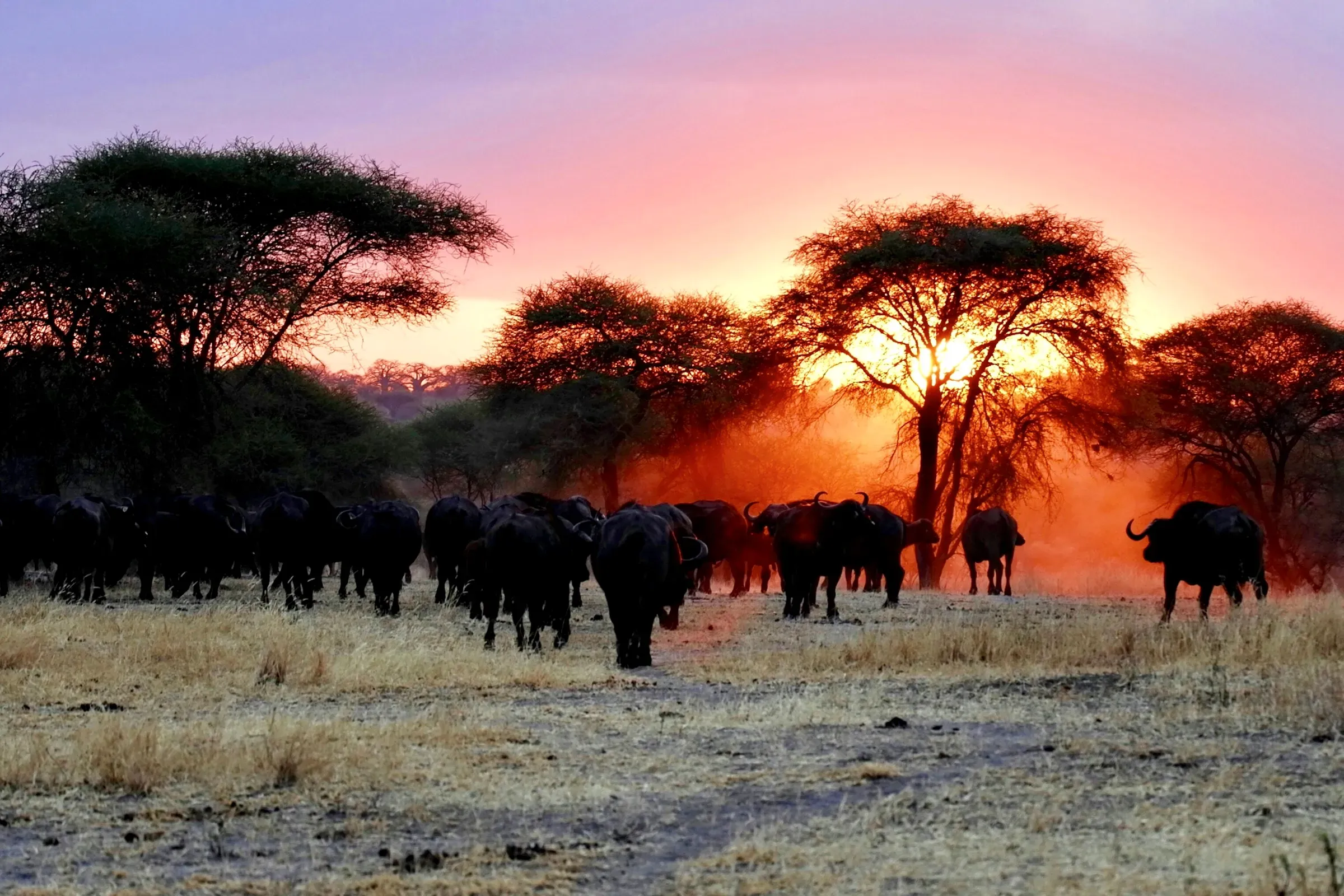
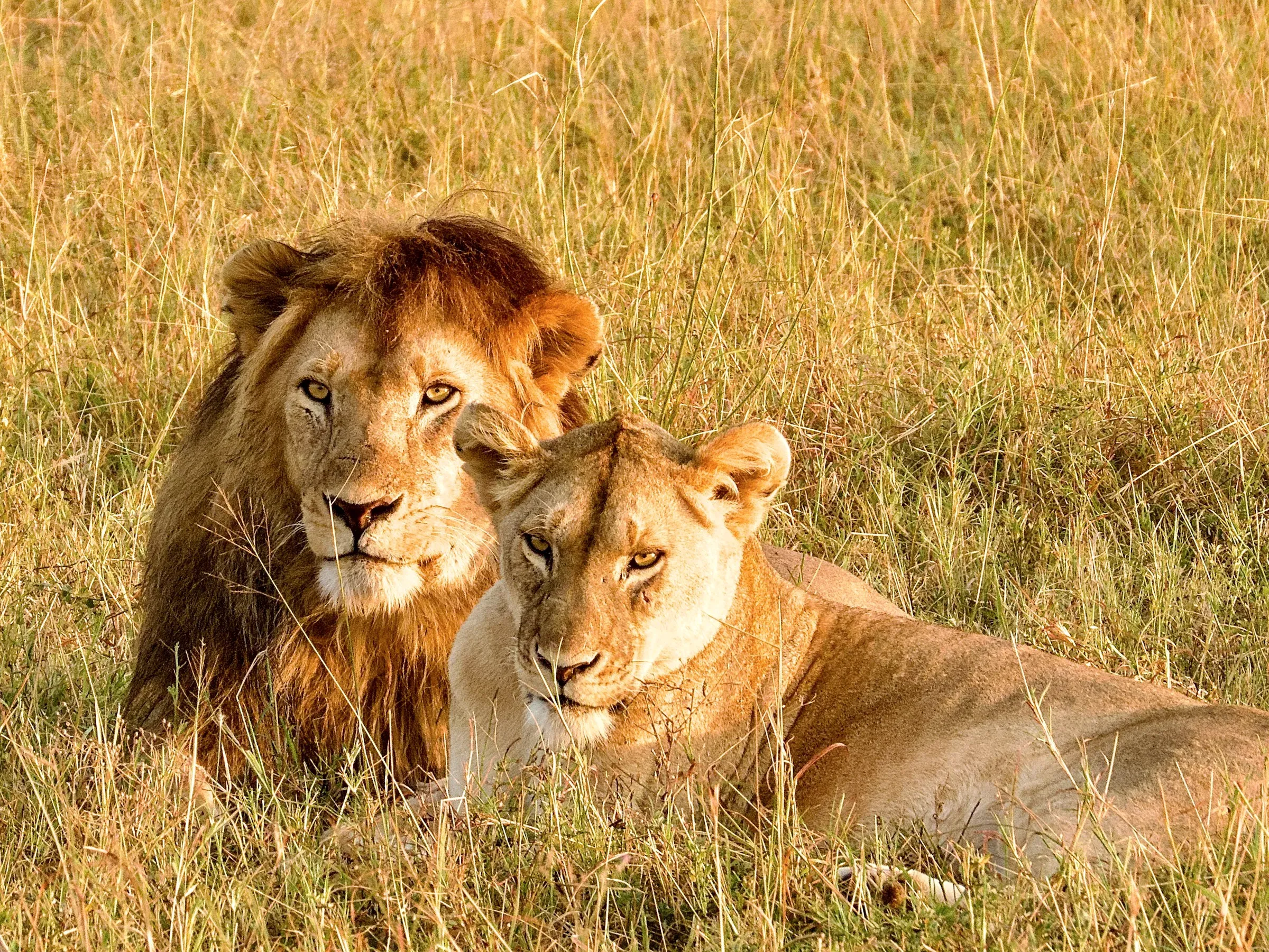
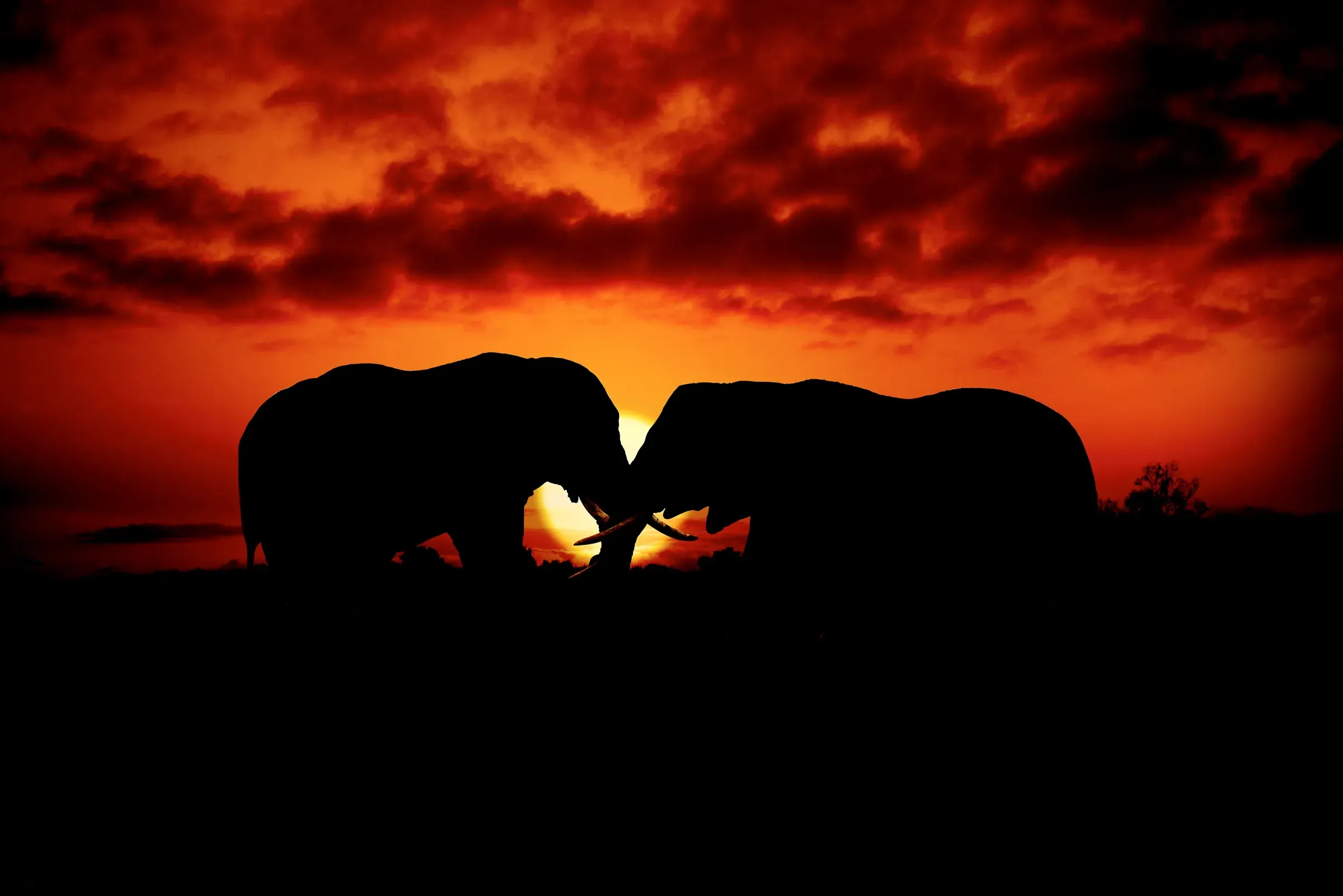
During the November–April rains, Lakes Katavi and Chada spread into vast shallow marshes. By August, those lakes bake into golden grass plains and every water-dependent animal squeezes into the remaining pools of the Katuma and Kapapa rivers.
| Phenomenon | What happens | Where our guides take you |
|---|---|---|
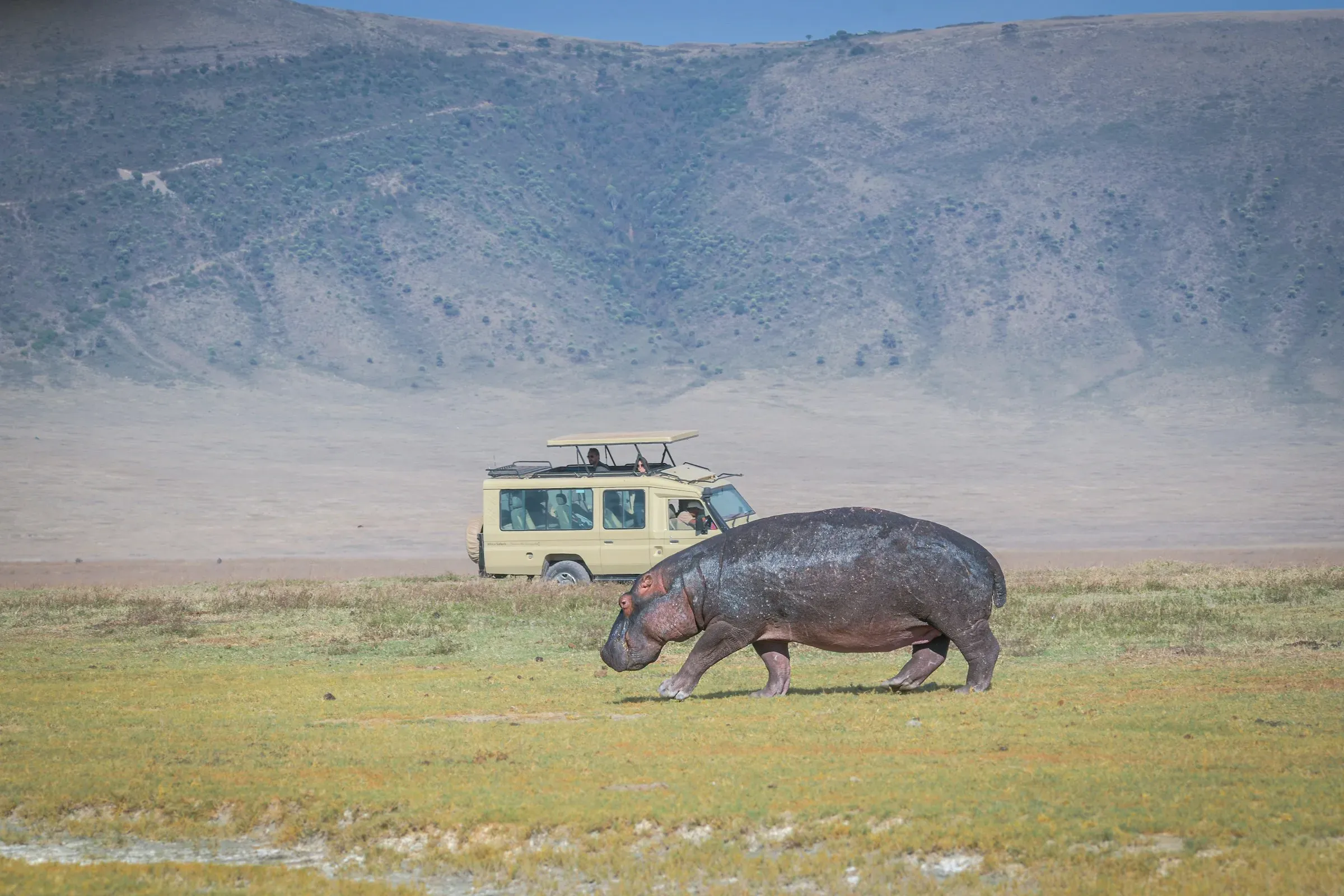
| Mega-pods of hippos | Up to 200–400 hippos pack wall-to-wall into shrinking mud wallows, triggering territorial bull clashes. | Ikuu Bridge pools, Katuma River bends, and Paradise springs. |
| Cave-dwelling crocodiles | Large Nile crocodiles excavate deep horizontal dens into dry clay riverbanks to estivate through peak heat until rains return. | Steep mud banks along the Katuma channel near Ikuu. |
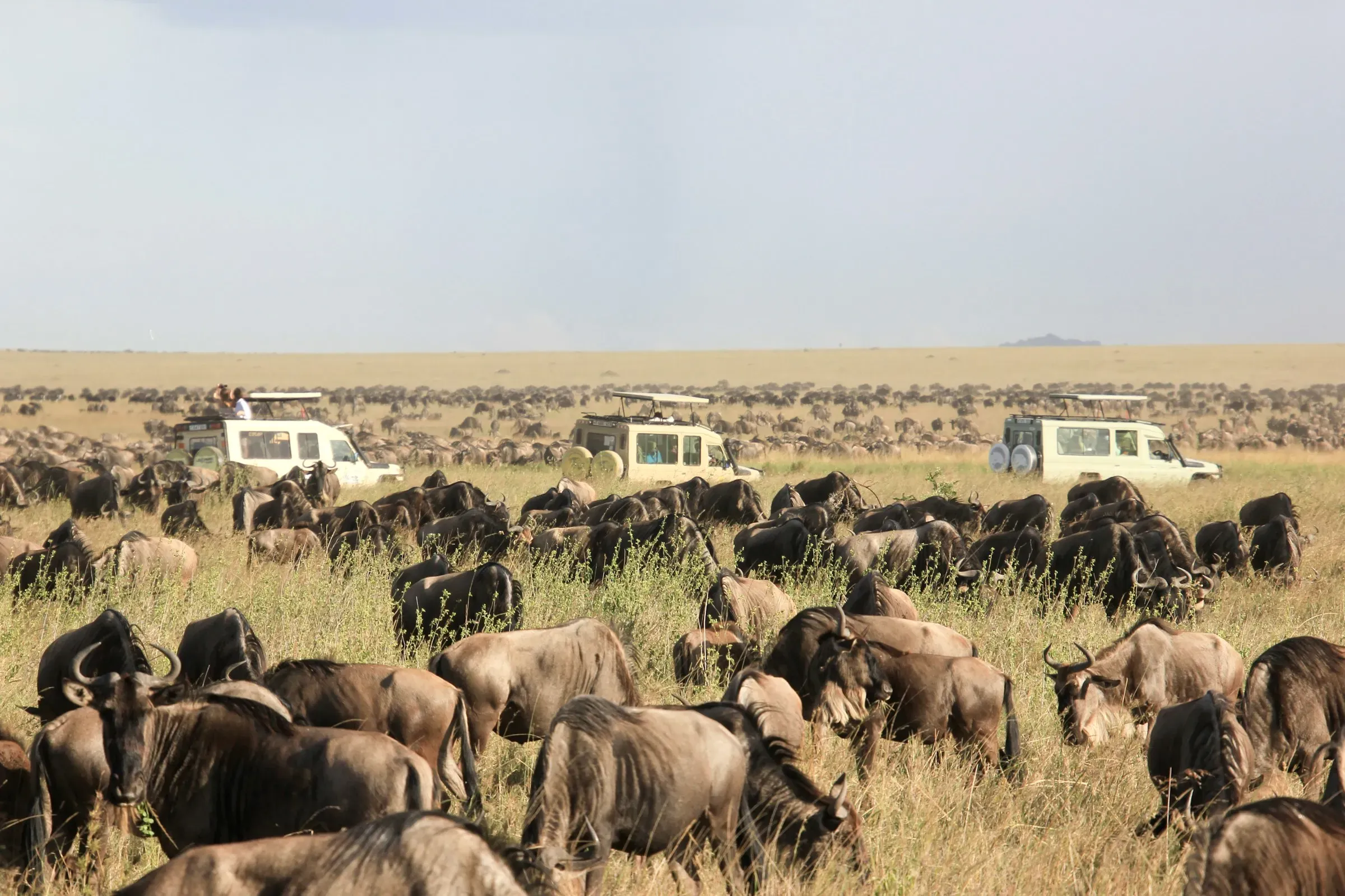
| Buffalo vs lion standoffs | Dust-choked herds of 1,000 to 3,000 Cape buffalo march from Chada grasslands to water each day, trailed closely by resident prides. | Chada Plain and Katisunga floodplain at dawn and late afternoon. |
Only a handful of seasonal tented camps operate inside Katavi, linked by bush tracks along tamarind-shaded edges.
01Tamarind-fringed savanna surrounding seasonal Lake Chada — ground zero for elephant, zebra, giraffe, lion, and jammed Katuma hippo pools.
02Sweeping grasslands attracting thousands of buffalo, topi, defassa waterbuck, reedbuck, and rare roan and sable antelope along woodland margins.
03Hike dry palm-lined ridges with an armed ranger and sleep beneath lightweight gauze nets around a crackling bushfire miles from camp.
Katavi blends massive biomass with rare miombo antelopes — it is one of East Africa’s finest strongholds for both roan and sable antelope alongside topi (at their southern limit) and puku/reedbuck.
Census data reference: Tanzania National Parks (TANAPA) — Katavi National Park ↗
Katuma River pools, Ikuu Bridge, and Chada floodplains.
Tamarind shade lines and fresh sedge shoots across Katisunga and Chada.
Ambushing thirsty herds right beside dwindling river pools.
Ecotone where miombo woodland meets open mbuga grass plains.
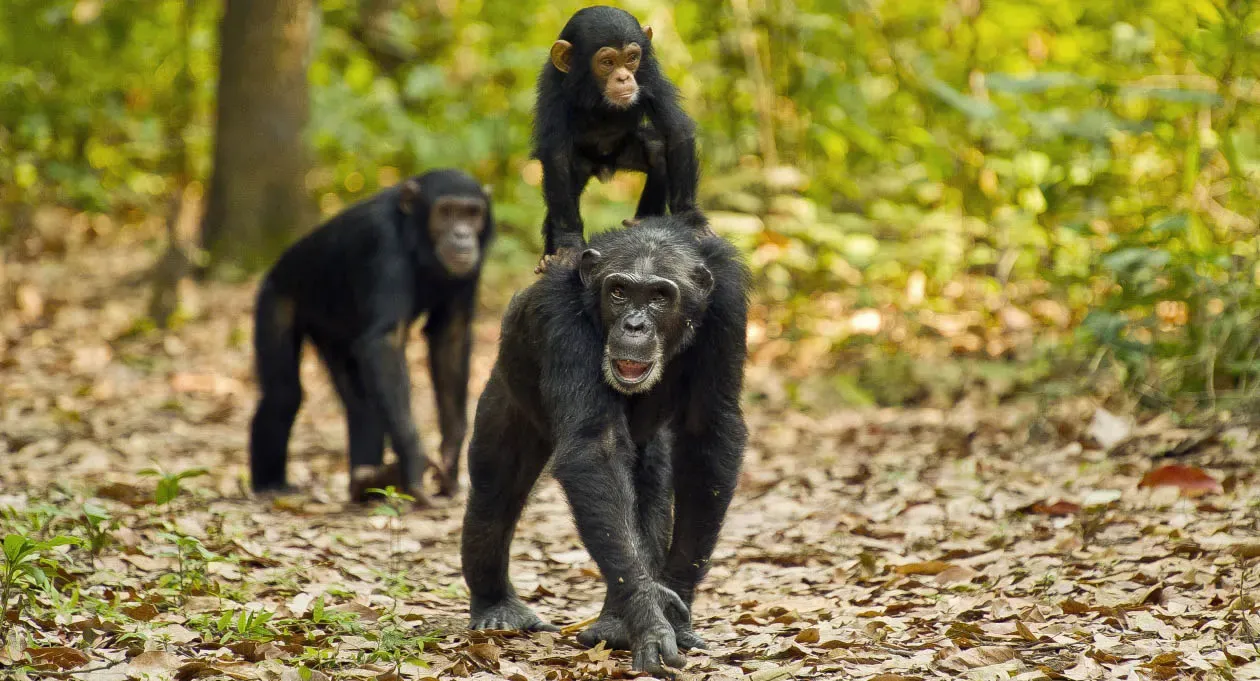
Shady fig/tamarind groves; pair Katavi with Mahale Mountains chimpanzees →
Sighting ratings reflect our Arusha guides’ field experience across seasons, not a guarantee — wild animals move freely.
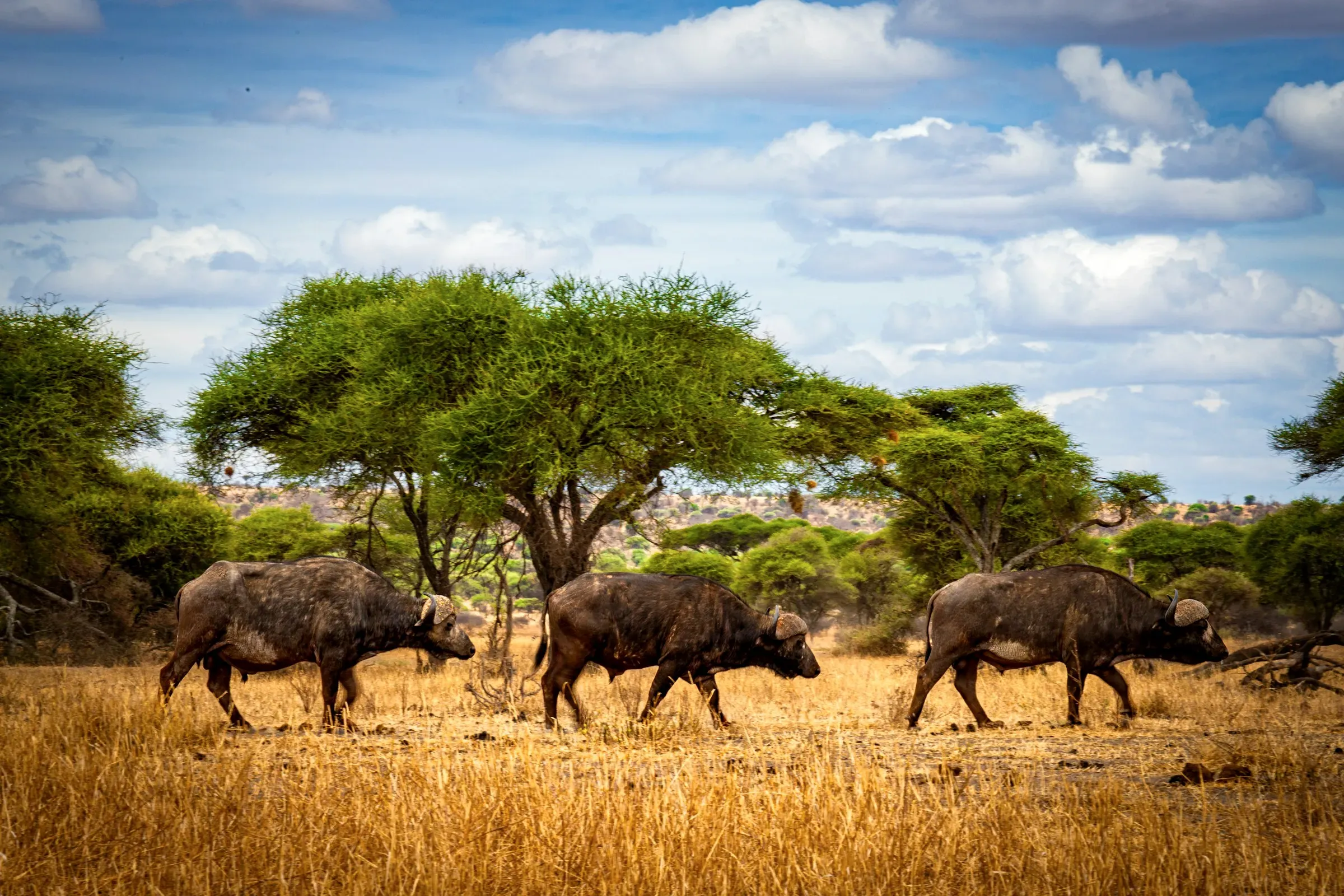
Katavi is strictly a dry-season fly-in park for almost all travellers — seasonal camps operate primarily from June through mid-November.
Floodwaters evaporate, concentrating hippos, crocs, thousands of buffalo, and prides into thrilling proximity.
Greener plains, cooler mornings, crystal air, and camps newly opened after the rains.
Floodplains turn into impassable wetlands and seasonal safari camps close; bush flight schedules pause.
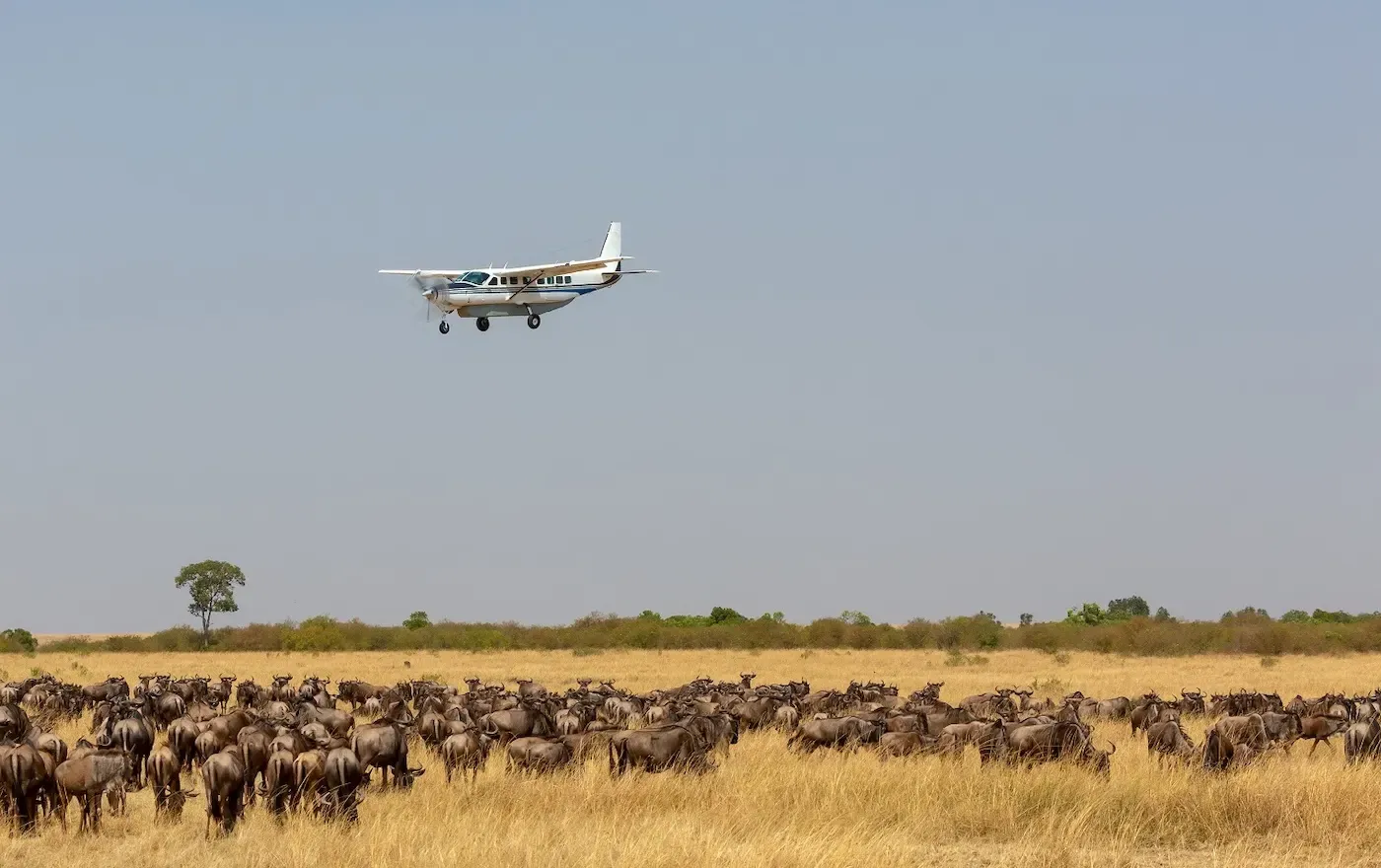
Because driving from Dar es Salaam or Arusha takes 2 to 3 gruelling days, virtually every guest flies into Ikuu Airstrip inside Katavi. From June to November, Safari Air Link and charter operators run scheduled Monday and Thursday circuit flights linking Arusha/Serengeti and Ruaha/Dar es Salaam directly with Katavi and Mahale Mountains.
That flight schedule naturally creates Africa’s premier bush-and-primate week: 3 or 4 nights on the floodplains of Katavi followed by a 40-minute flight west to Lake Tanganyika for 3 or 4 nights tracking chimpanzees in Mahale.
Katavi is an off-the-beaten-track wilderness arranged around bush flights, ranger permits, and your exact travel dates. Tell us when you want to travel and Deus and our Arusha team will build a private route for you within 24 hours.
Katavi can blow away anyone, though repeat safari-goers appreciate it most because they immediately sense how rare it is to watch big-cat and mega-herd drama with zero other vehicles in sight.
Because Western Tanzania receives very few visitors, shared scheduled bush planes operate twice-weekly rotations (typically Mondays and Thursdays from June to November) connecting Arusha, Ruaha, Katavi, and Mahale to keep per-person airfares reasonable.
Yes! As the Katuma River shrinks between August and October, Nile crocodiles dig deep tunnels beneath tangled tree roots in the steep clay banks where up to a dozen crocs shelter together in cool shade until the November rains.
Wooded edges of Katavi do have tsetse flies, while open Chada and Katisunga grasslands have far fewer. Pack light neutral linen/cotton shirts (khaki, stone, olive) and skip dark blue or black clothing.
Tell us your preferred June–October window and our Arusha aviation desk pairs 3–4 nights in Katavi with 3–4 nights on Lake Tanganyika in Mahale on a seamless Monday-to-Monday or Thursday-to-Thursday routing.
Road distances, seasonal windows, and sighting notes come from our own Arusha guides on the ground. Last reviewed November 2026.