 01
Signature excursion
Black Rhino Sanctuary Tracking
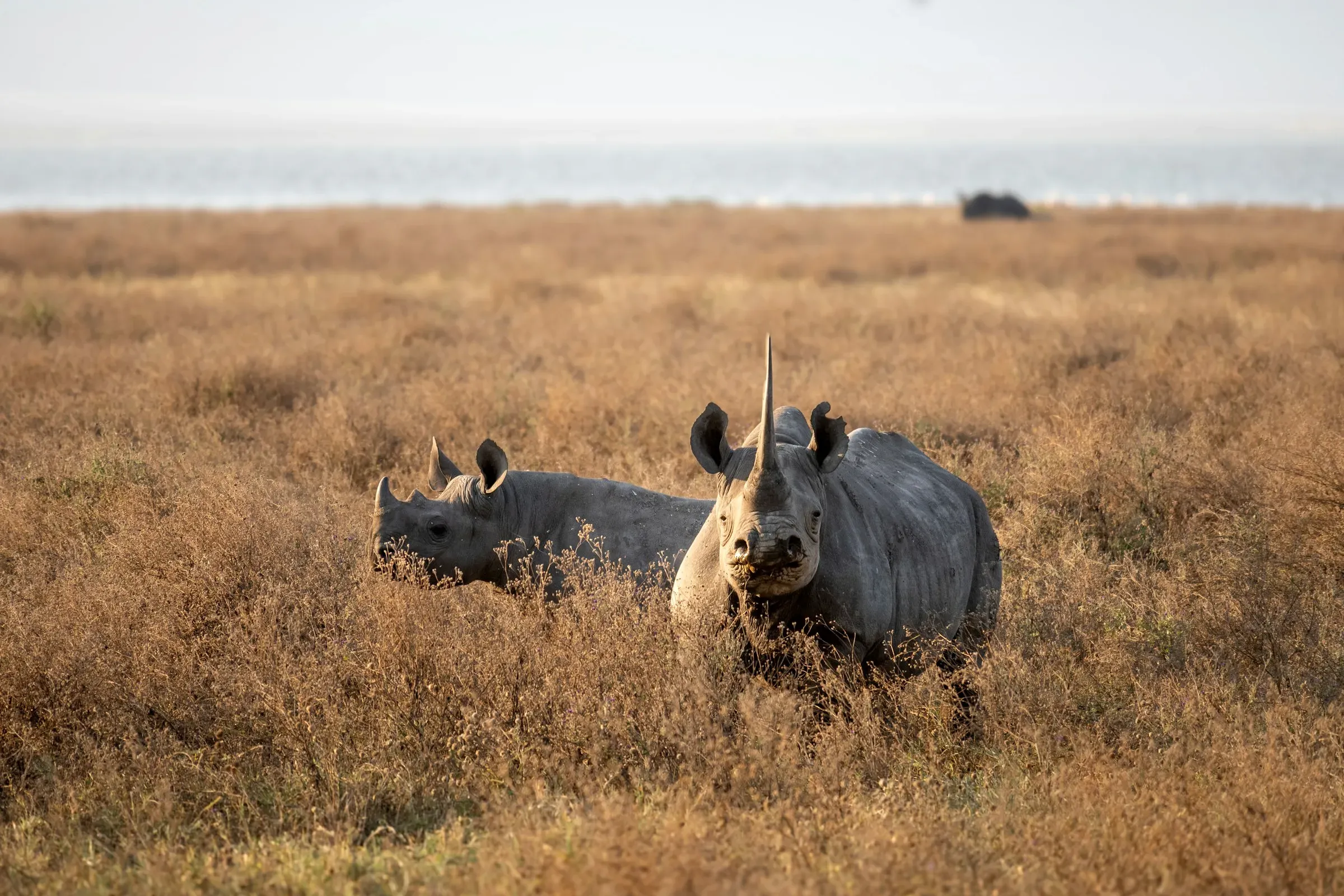
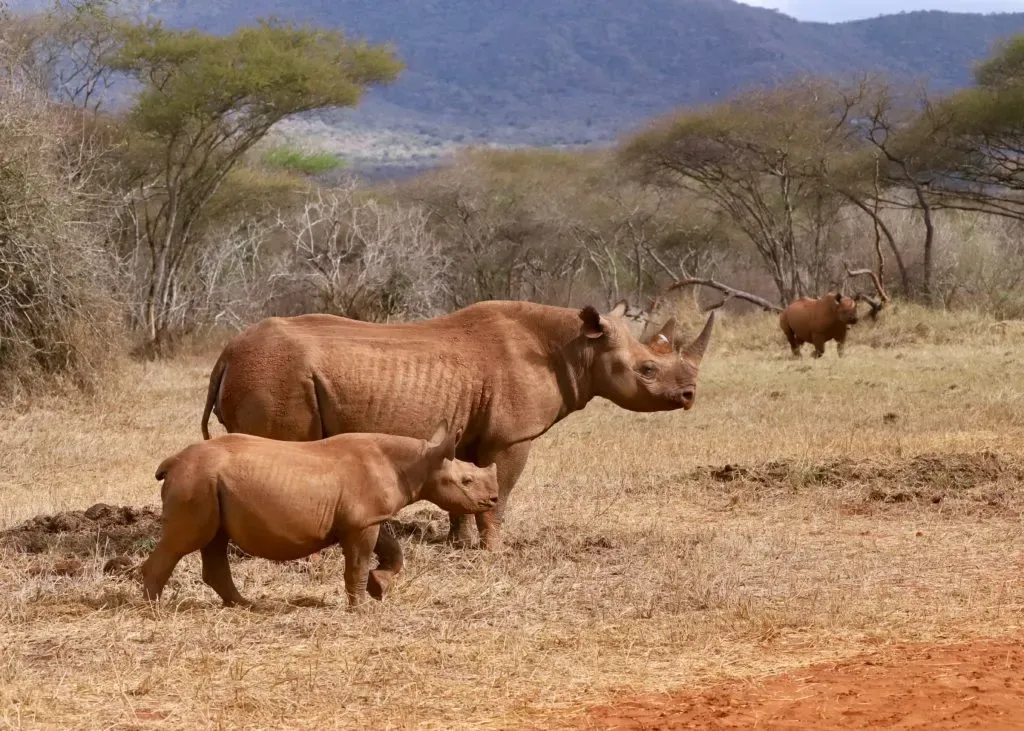
Board a specialist ranger vehicle for a focused 1-to-2-hour tracking session inside the high-security sanctuary — Tanzania’s closest, clearest black rhino viewing.
Fenced black rhino conservation, African wild dogs, and dramatic Pare & Usambara mountain backdrops
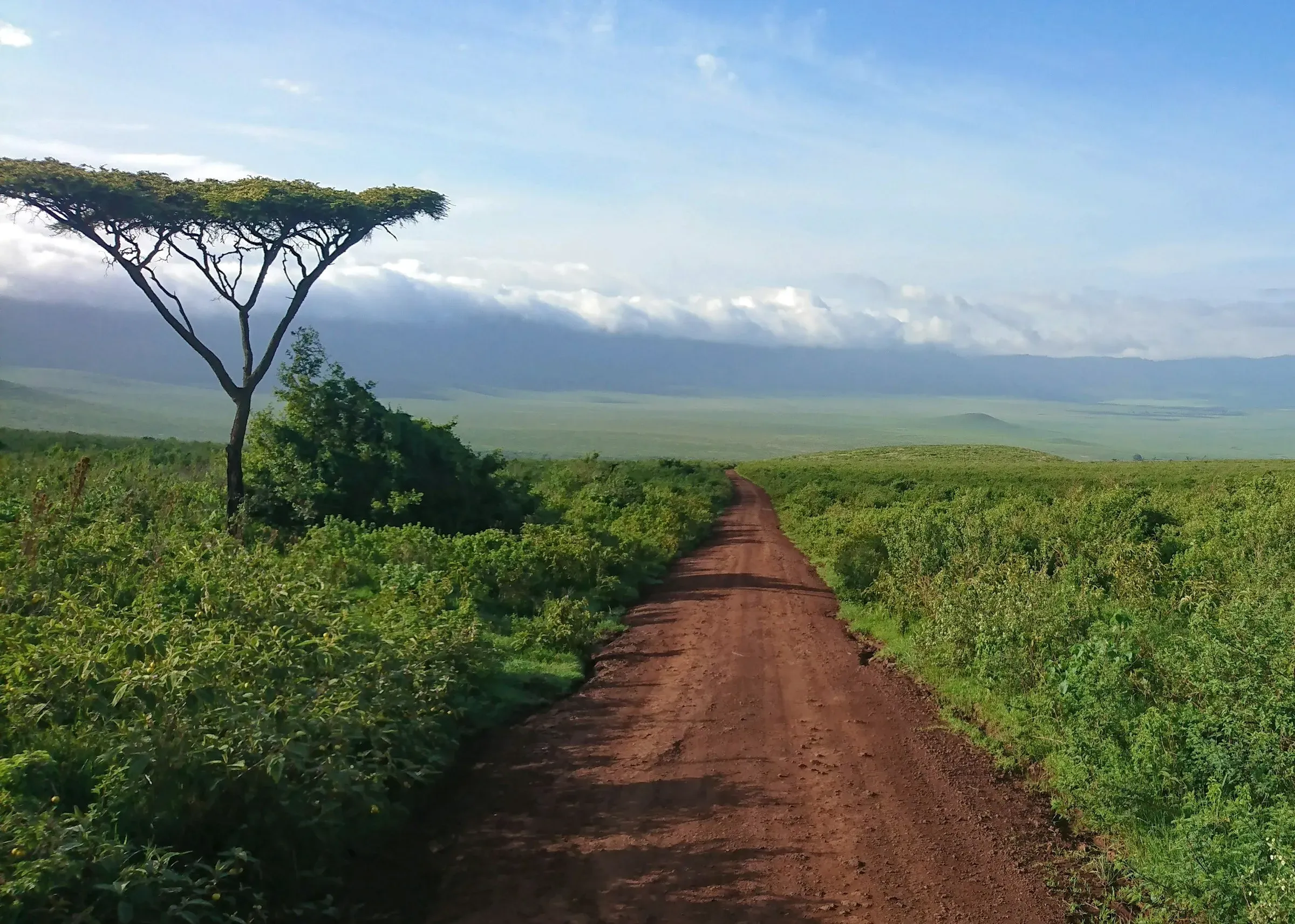
Sharing an unfenced northern border with Kenya’s Tsavo West, Mkomazi offers solitary red-soil bushland framed by the Pare and Usambara mountains — plus Tanzania’s premier fenced sanctuary where visitors can reliably observe endangered eastern black rhinos at close quarters.
Mkomazi National Park covers 3,245 km² of semi-arid Sahel-type savanna in north-eastern Tanzania between Moshi/Same and Tanga. First protected as a game reserve in 1951 and upgraded to a National Park in 2006, it safeguards critically endangered eastern black rhinos and African wild dogs alongside northern dry-country specialists like gerenuk, lesser kudu, and fringe-eared oryx.
The name Mkomazi comes from the Pare phrase mko-mazi — “a wooden scoop of water” — a nod to how precious seasonal waterholes are across this sun-baked corridor.
Pioneered in the 1990s with the George Adamson Wildlife Preservation Trust and now run by TANAPA, Mkomazi’s fenced sanctuary reintroduced eastern black rhinos (Diceros bicornis michaeli) to ancestral browse — and opened dedicated guided rhino-tracking drives.
| Species | Why it is special here | Where our guides look |
|---|---|---|
| Eastern black rhinoceros | Critically endangered browser tracked inside a dedicated 55 km² fenced sanctuary with specialist rangers. | Guided open-sided sanctuary vehicle drives departing from Zange / Mbula. |
| African wild dog (painted wolf) | Bred and released into the wider Tsavo-Mkomazi ecosystem through a landmark reintroduction programme. | Breeding compounds on educational visits, and wide-ranging wild packs on open plains. |
| Gerenuk (“giraffe gazelle”) | Stands upright on hind legs to browse high thorny shoots; absent from Serengeti and Ngorongoro floor. | Commiphora scrub around Dindira, Vitewini, and Maore tracks. |
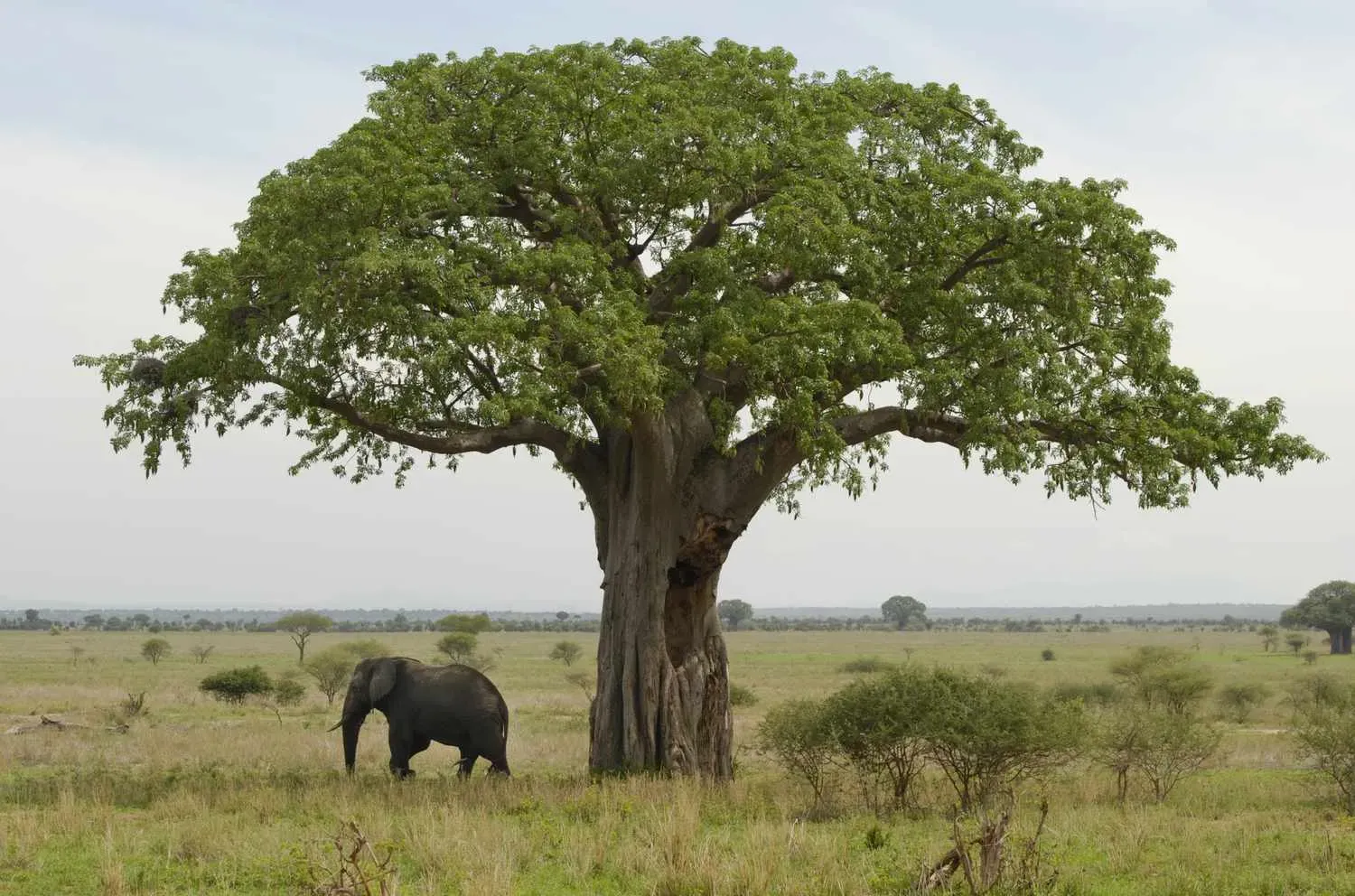
| Fringe-eared oryx & lesser kudu | Arid-adapted antelopes able to go weeks without drinking free water. | Dry red-earth ridges and baobab thickets in central and eastern Mkomazi. |
| Vulturine guineafowl | Cobalt-blue dryland bird typical of northern Kenya and Somalia, reaching its southern limit here. | Flocks of 20–40 trotting along sandy tracks at dawn. |
You will rarely pass more than two or three other vehicles all day, giving Mkomazi an expedition feel within easy reach of Kilimanjaro.
01Board a specialist ranger vehicle for a focused 1-to-2-hour tracking session inside the high-security sanctuary — Tanzania’s closest, clearest black rhino viewing.
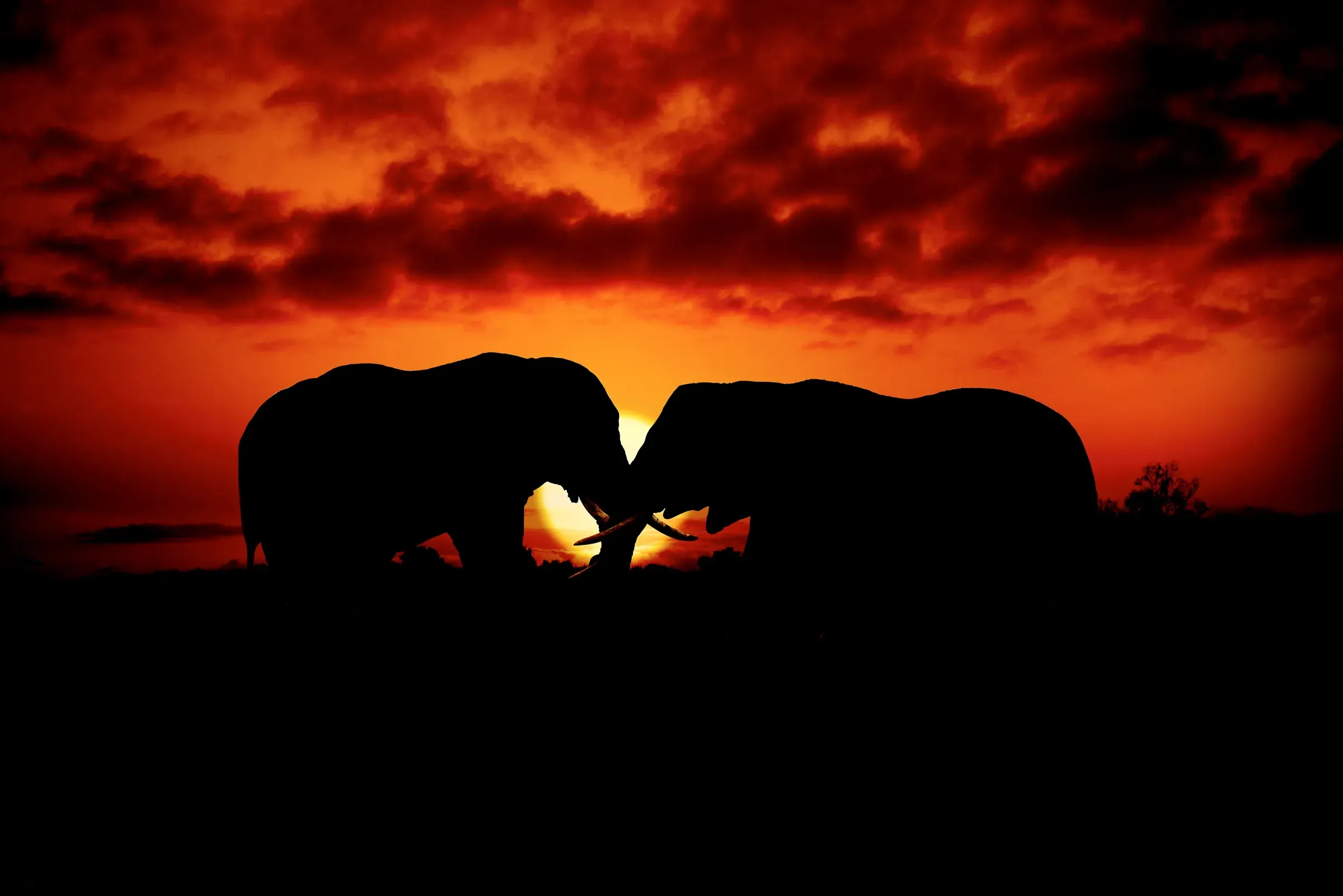
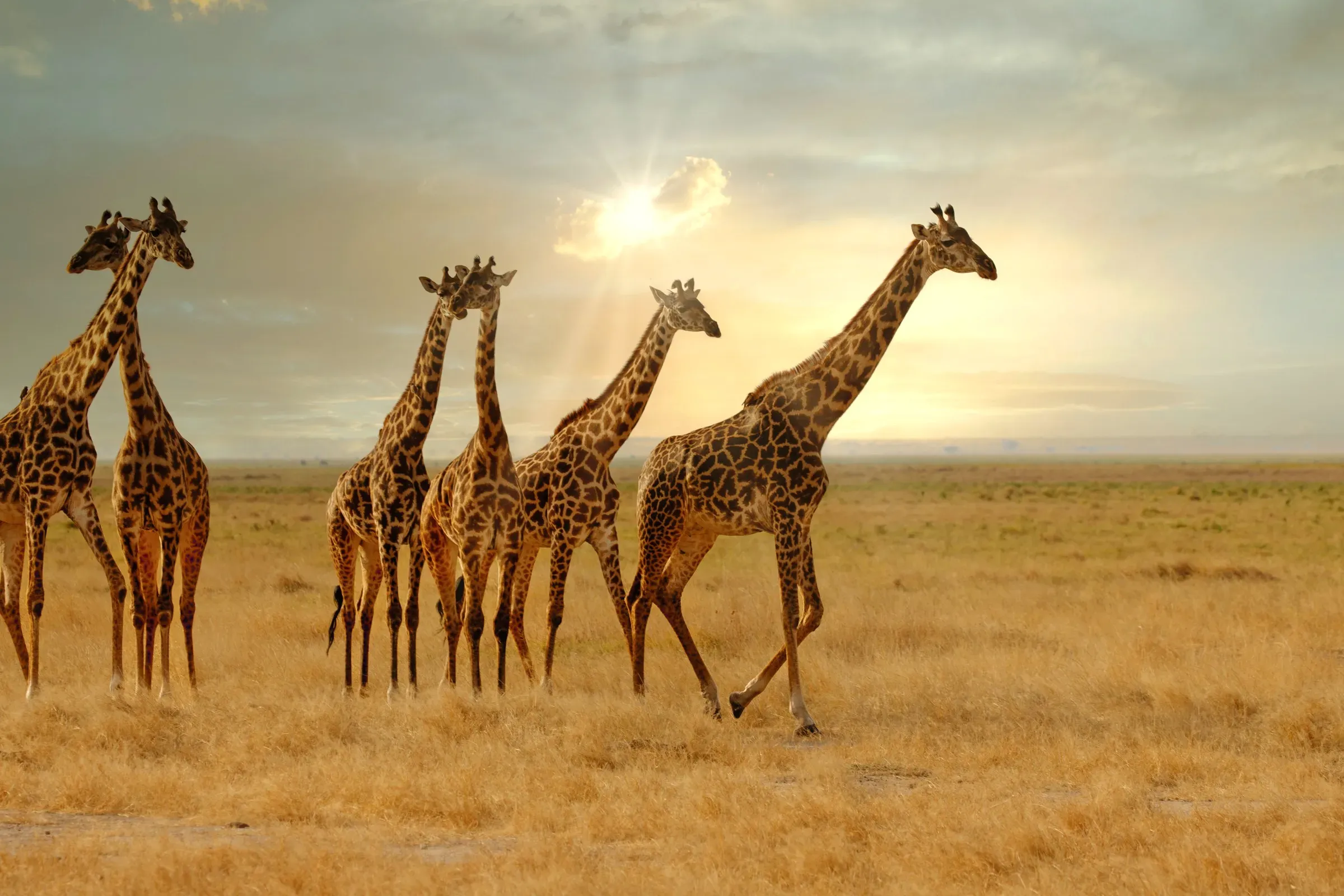
02Watch Tsavo elephants, giraffes, eland, zebra, hartebeest, and lions converge at Dindira and Vitewini waterholes during the dry months.
03Walk guided trails up rocky hills with views toward Kilimanjaro while ticking Friedmann’s lark, Shelley’s starling, martial eagles, and hornbills.
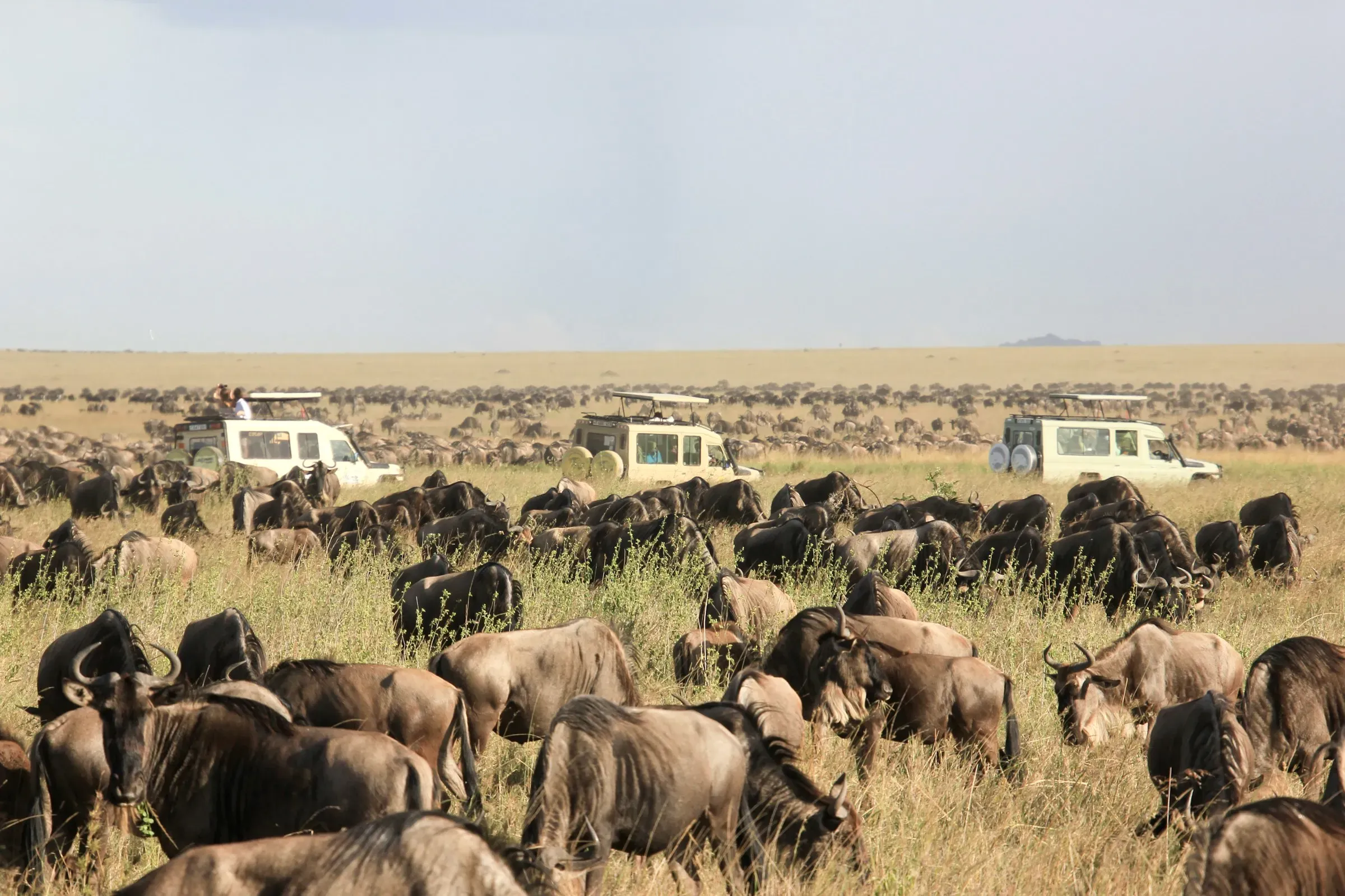
Outside the Rhino Sanctuary, Mkomazi’s wild herds roam a vast 40,000+ km² cross-border Tsavo ecosystem — animals are wilder and less habituated than in Ngorongoro, rewarding patient spotters.
Census data reference: Tanzania National Parks (TANAPA) — Mkomazi National Park ↗
Dedicated ranger-led excursion inside the Mkomazi Rhino Sanctuary.
Western plains between Zange Gate and Dindira Dam.
Herds crossing down from Kenya’s Tsavo West to permanent dams.
Dry commiphora bushland — tell your guide early so we focus on arid scrub.
Around Dindira waterhole at dawn; pair with Serengeti for dense big-cat action →
Sighting ratings reflect our Arusha guides’ field experience across seasons, not a guarantee — wild animals move freely.
Late dry season (July to October) concentrates cross-border Tsavo elephants around Mkomazi’s dams, while green months transform dry scrub into a birding wonderland.
Thinnest bush, firm black-cotton tracks, and peak wildlife gatherings at Dindira and Maore waterholes.
Clear Kilimanjaro horizons, blooming acacias, and over 450 resident and migratory bird species.
Black-cotton soil tracks become slick and waterlogged; 4×4 access is restricted in low-lying valleys.
Zange Main Gate sits just 6 km off the paved Arusha–Moshi–Dar es Salaam highway at Same town: 112 km (about 2 hours) southeast of Moshi, 145 km (~2.5 hours) from Kilimanjaro Airport, and 195 km (~3.5 to 4 hours) from Arusha.
Charter flights land directly at Kisima Airstrip inside the park. By road, Mkomazi links Moshi and Kilimanjaro climbs cleanly with hiking in the Lushoto Usambara Mountains and beach-meets-bush days at Saadani or Pangani on the Indian Ocean.
Mkomazi is an off-the-beaten-track wilderness arranged around bush flights, ranger permits, and your exact travel dates. Tell us when you want to travel and Deus and our Arusha team will build a private route for you within 24 hours.
Inside the fenced 55 km² Mkomazi Rhino Sanctuary, specialist TANAPA trackers know individual rhinos’ territories, frequently positioning open safari vehicles within 20 to 50 metres — far closer than distant crater-floor sightings in Ngorongoro.
Yes, TANAPA charges a dedicated conservation fee per visitor on top of standard park entry to fund 24-hour anti-poaching rangers and veterinary care. We include all permits transparently in your quote.
Yes — Zange Gate at Same is only 2 hours from Moshi on a paved highway, making a full-day Rhino Sanctuary and savanna drive feasible, though spending 1–2 nights inside the park is far more rewarding.
Mkomazi belongs to the drier Tsavo–Somali-Maasai ecological zone, so you encounter arid-country specialists like gerenuk, fringe-eared oryx, lesser kudu, and vulturine guineafowl — with almost zero other tourist vehicles.
Easily. Continuing southeast down the Same–Korogwe–Segera highway connects Mkomazi with the Usambara Mountains, Pangani beaches, and coastal Saadani National Park.
Road distances, seasonal windows, and sighting notes come from our own Arusha guides on the ground. Last reviewed November 2026.